Red Sea Gateway: How Eritrea's Strategic Coastline Could Transform Regional Trade
With key ports on the Red Sea and a strategic location linking Africa, the Middle East, and Europe, Eritrea has the potential to become a major logistics and trade hub. Can renewed regional cooperation unlock this opportunity?

Founder & Chief Editor · 26 July 2026 · 2 min read
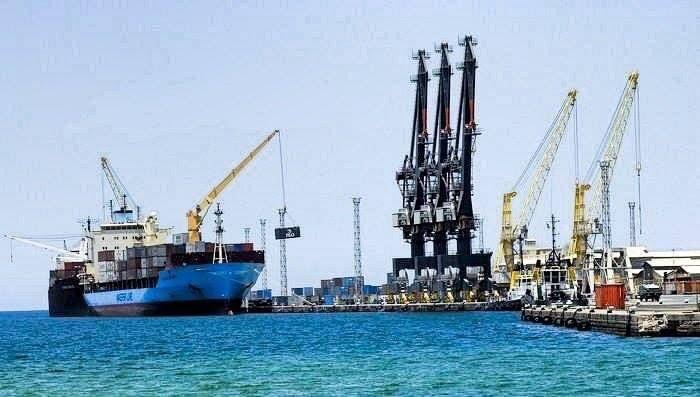
ASMARA, Eritrea — Stretching along the Red Sea for more than 1,000 kilometers, Eritrea occupies one of Africa's most strategically important maritime locations. With the ports of Massawa and Assab positioned along one of the world's busiest shipping routes, the country has the potential to become a major gateway for trade between Africa, the Middle East, Asia, and Europe.
For decades, Eritrea's geographical advantage has remained largely underutilized due to regional conflicts, political tensions, and limited investment in infrastructure. However, changing dynamics in the Horn of Africa have renewed discussions about the country's potential role in boosting regional commerce and economic integration.
The Port of Massawa has long served as Eritrea's principal seaport, handling imports, exports, and maritime services. The Port of Assab, located near the Bab el-Mandeb Strait, also occupies a strategic position close to one of the world's most important shipping lanes connecting the Red Sea to the Gulf of Aden and the Indian Ocean.
Experts say that modernizing these ports and expanding transport networks could reduce shipping costs, improve trade efficiency, and create employment opportunities across the region. Improved road and rail connections would enable neighboring countries to move goods more efficiently, supporting industries ranging from agriculture and manufacturing to mining and energy.
Eritrea's location also offers opportunities to strengthen regional economic cooperation. As African countries continue implementing the African Continental Free Trade Area (AfCFTA), efficient ports and transport corridors will be critical in facilitating the movement of goods across borders. Better connectivity could increase exports, attract foreign investment, and encourage the development of logistics, warehousing, and industrial zones.
Despite the opportunities, significant challenges remain. Infrastructure modernization requires substantial investment, while maintaining regional peace and political stability will be essential to attracting investors and expanding international trade. Efficient customs systems, transparent regulations, and improved business conditions will also be important in maximizing the country's maritime potential.
For the wider Horn of Africa, Eritrea's ports could complement regional transport networks, easing pressure on existing trade corridors and providing alternative routes for imports and exports. Stronger cooperation among neighboring countries could enhance food security, lower transport costs, and strengthen regional supply chains.
As global trade continues to expand and Africa seeks greater economic integration, Eritrea's Red Sea coastline represents more than a strategic geographical asset. It offers an opportunity to become a catalyst for regional development, connecting African markets with the wider world.
Whether Eritrea fully realizes this potential will depend on sustained investment, regional cooperation, and policies that encourage trade, innovation, and long-term economic growth.
Written by OSMARA DIGITAL MEDIA – Africa in Focus
Founder & Chief Editor
Founder and Chief Editor of Osmara Digital Media. Journalist and historian telling Africa's stories through an African lens, from West Nile to the continent.
Related stories

KYABAZINGA MOBILISES BUSOGA LEADERS TO TACKLE TEENAGE PREGNANCY AND POVERTY
PRESIDENT MUSEVENI COMMISSIONS $53M MILITARY FACILITY, DEEPENS UGANDA-RUSSIA DEFENCE COOPERATION

IGANGA COURT ISSUES CRIMINAL SUMMONS OVER ALLEGED GRABBING OF 16 ACRES BELONGING TO ELDERLY WIDOW