Kampala on Two Wheels: The Boda Boda Riders Keeping the City Moving
Kampala’s boda boda riders have become an indispensable part of Uganda’s urban transport system, navigating congested roads and helping commuters reach their destinations when traffic comes to a standstill.
Founder & Chief Editor · 9 September 2026 · 5 min read
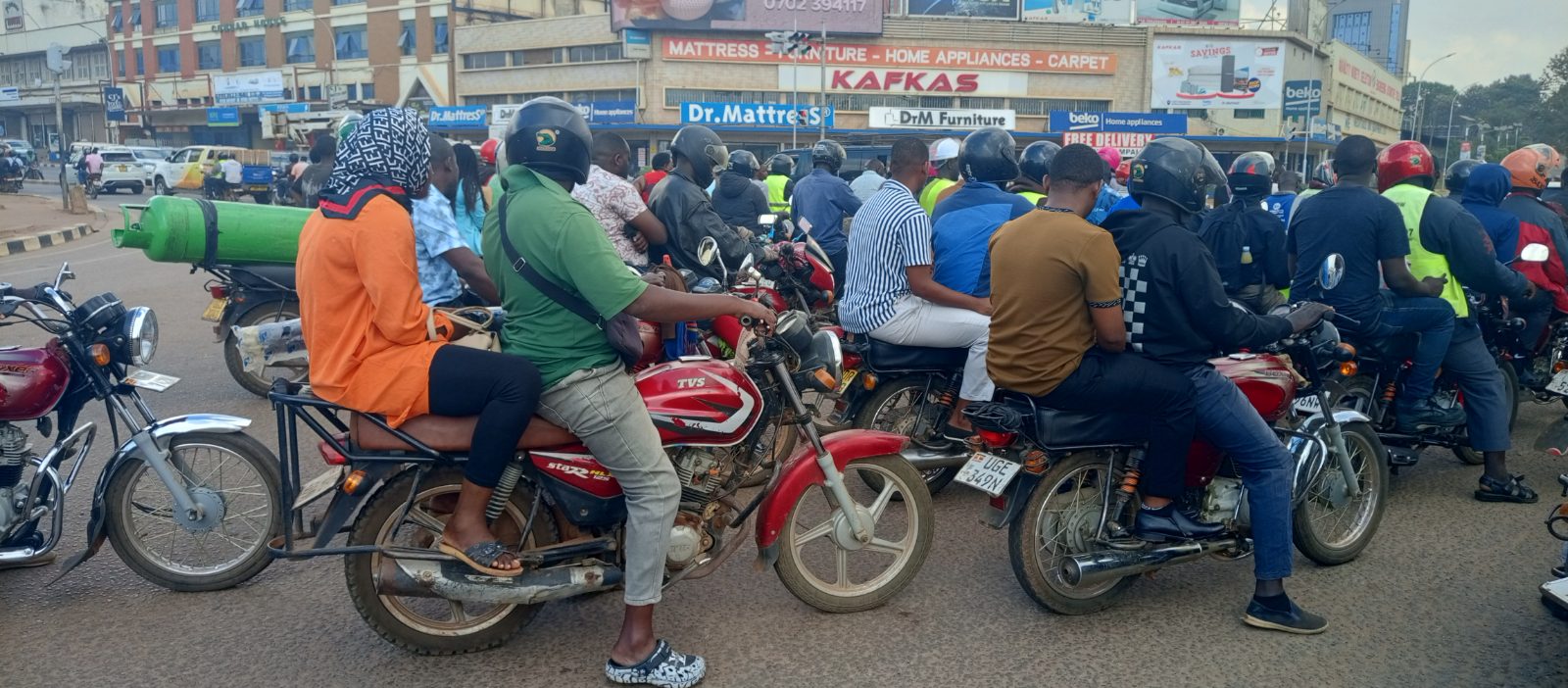
KAMPALA, UGANDA — Before the sun is fully up, Kampala’s roads are already coming alive. Cars begin filling the major highways, taxis compete for space, pedestrians squeeze between vehicles and thousands of boda boda riders start their daily search for passengers.
At major junctions, roundabouts and shopping centres, the familiar sound of motorcycle engines becomes part of the city’s morning soundtrack. For some road users, boda bodas represent everything that is wrong with Kampala’s traffic system—speeding, dangerous overtaking, riding through restricted spaces and ignoring traffic rules. But for millions of commuters, the motorcycle taxi is something very different: it is the quickest way to get to work, school, hospital, market or business appointment when the city's roads are barely moving. And in the middle of the congestion, boda boda riders have developed their own informal system of navigating Kampala.
The men and women who know every shortcut A rider who has spent years working on Kampala’s roads can often tell where traffic is building up before the congestion becomes visible to other motorists. They know which road is likely to be blocked, which lane is moving faster and which small street can provide an escape from a traffic jam. At busy intersections, riders constantly scan the road for openings. They move into gaps, negotiate turns and communicate with other riders through gestures and positioning.
It is an informal system, but it is one that has evolved from necessity. When cars are trapped in a queue, a boda boda can sometimes move around the obstruction and continue towards its destination. When one road becomes impassable, riders quickly exchange information about alternative routes.
For passengers, this knowledge can be as valuable as the motorcycle itself. “Sometimes you can spend an hour in a car trying to cross Kampala, but a boda boda can get you there much faster,” is a common explanation from commuters who depend on motorcycle taxis.
A city that depends on two wheels Kampala's dependence on boda bodas is closely connected to the limitations of the city's formal public transport system.
The capital continues to grow, bringing more workers, students, traders and businesses into an already crowded urban environment. Public transport vehicles carry large numbers of passengers, but they cannot always provide the door-to-door flexibility offered by motorcycles.
Boda bodas have therefore filled an important gap. A passenger can call a rider, walk to a nearby stage or simply stop a motorcycle along the road and negotiate a journey. The rider can then take the passenger through busy streets and, in many cases, drop them close to their final destination. For small businesses, the motorcycles have become equally important. Riders transport documents, food, parcels, merchandise and other goods across the city, creating an informal delivery network that operates from early morning until late at night. Behind every motorcycle is also a household economy.
The money earned by a rider can pay rent, provide food, support children’s education and meet other family responsibilities. Motorcycle ownership has also created opportunities for some riders to move into other businesses after saving enough money.
But speed comes with a price The same flexibility that makes boda bodas attractive also creates some of the sector’s biggest problems. Road safety remains a major concern. Some riders speed through congested roads, overtake dangerously, ignore traffic signals or use spaces not intended for motorcycles.
Passengers can also contribute to the problem by choosing riders based on speed rather than safety. A passenger rushing to an appointment may prefer a rider who promises to get them there quickly, even when the journey involves risky manoeuvres. For riders, however, the pressure is often economic. The more passengers a rider carries, the more money can potentially be earned. This creates a difficult balance between safety and survival. A rider who spends too much time waiting may earn less at the end of the day, while one who takes unnecessary risks can expose himself, his passenger and other road users to danger.
The price of an accident When a boda boda crashes, the consequences can extend far beyond the rider and passenger. Families can lose their main source of income. Children may be forced to miss school. Medical bills can consume savings. A rider who suffers serious injuries may be unable to work for weeks or months.
For hospitals, motorcycle crashes also create a continuing demand for emergency and trauma care. This is why the debate around boda bodas cannot simply be reduced to whether motorcycles should be allowed on Kampala’s roads. The bigger question is how the city can make an essential transport system safer without destroying the livelihoods that depend on it.
Authorities want more order Kampala authorities have been pushing for greater organisation of the boda boda industry, including registration, designated stages, enforcement of traffic regulations and the use of technology to monitor transport operations.
The intention is to make it easier to identify riders, improve accountability and reduce disorder on the streets. But regulation also comes with concerns from riders who fear that excessive restrictions could reduce their income. For many riders, the motorcycle is not simply a means of transport. It is their workplace, business and source of livelihood.
The challenge is therefore to find a system that protects passengers and other road users while allowing legitimate riders to earn a living. The unseen traffic controllers At one of Kampala’s busy intersections, the contrast is striking. Cars sit bumper-to-bumper while boda bodas continue moving through narrow spaces. A rider searches for a gap, another signals a turn and a passenger looks anxiously at the time.
Within seconds, the motorcycle disappears into another lane and heads towards its destination. It is this constant movement that has earned boda boda riders an unofficial role in Kampala's traffic story. They are not traffic officers. They have no authority to direct motorists. Yet their knowledge of the roads, their ability to navigate congestion and their constant presence have made them an indispensable part of the city's transport ecosystem.
Kampala may eventually build better roads, improve public transport and introduce more sophisticated traffic-management systems. But until those changes fully meet the needs of the growing population, the boda boda will remain firmly embedded in the capital’s daily life. For better or worse, Kampala is a city increasingly experienced from the back of a motorcycle.
And every morning, as thousands of riders start their engines, the city's unofficial two-wheeled transport network begins another day of keeping Kampala moving. For Osmara Digital Media, this can work especially well as a photo-feature package: lead with the busy junction photograph, then add short interviews with a rider, passenger, traffic officer, shopkeeper and accident survivor. That would give the story stronger voices and make the “unseen traffic controllers” angle much more powerful.
Founder & Chief Editor
Founder and Chief Editor of Osmara Digital Media. Journalist and historian telling Africa's stories through an African lens, from West Nile to the continent.
Related stories
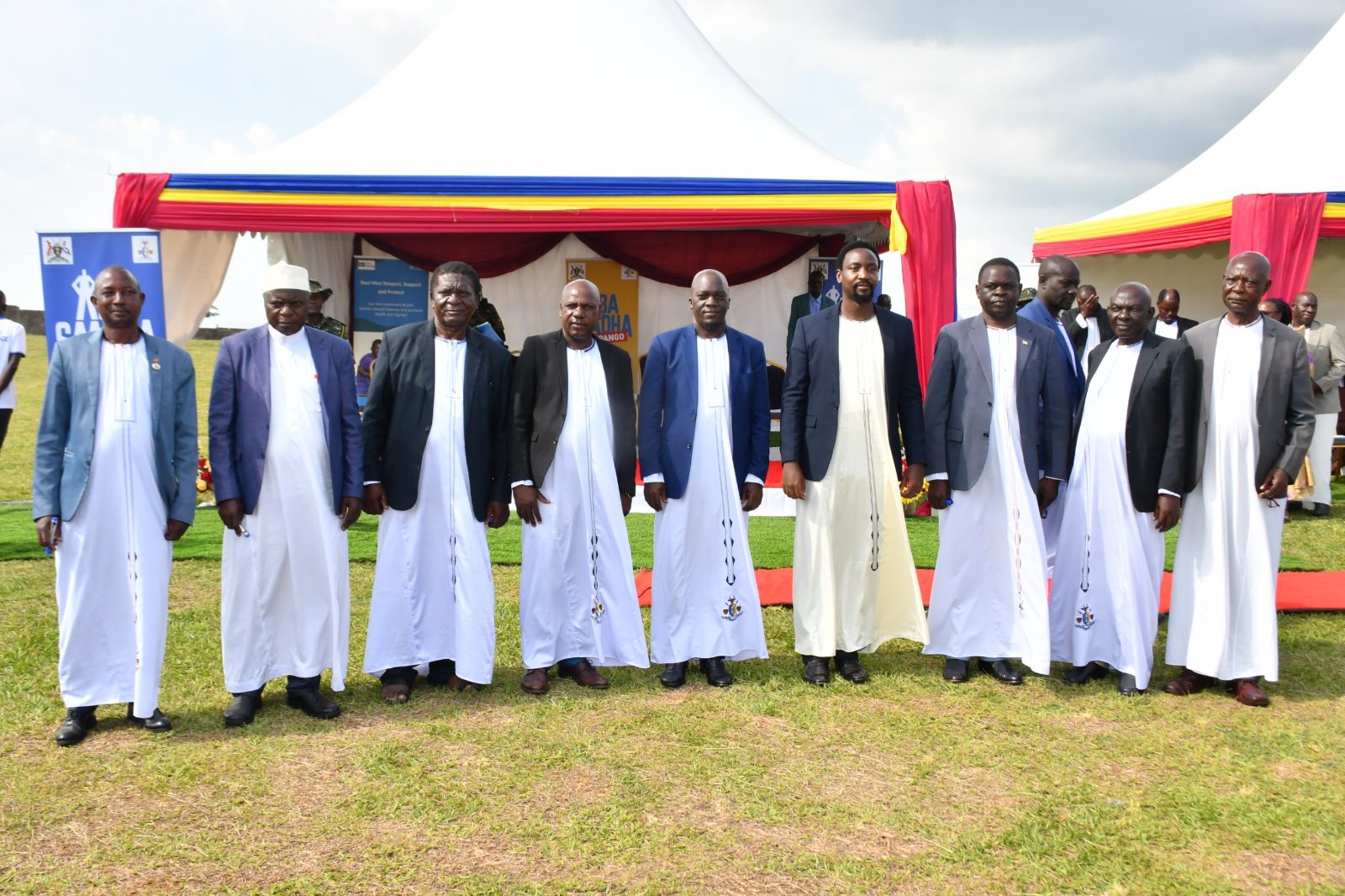
KYABAZINGA MOBILISES BUSOGA LEADERS TO TACKLE TEENAGE PREGNANCY AND POVERTY
Busoga East Police Intensifies Security Inspections Ahead of Festive Season
Government to Advance UGX 175 Billion to Complete Hoima–Busunju Road Ahead of AFCON 2027