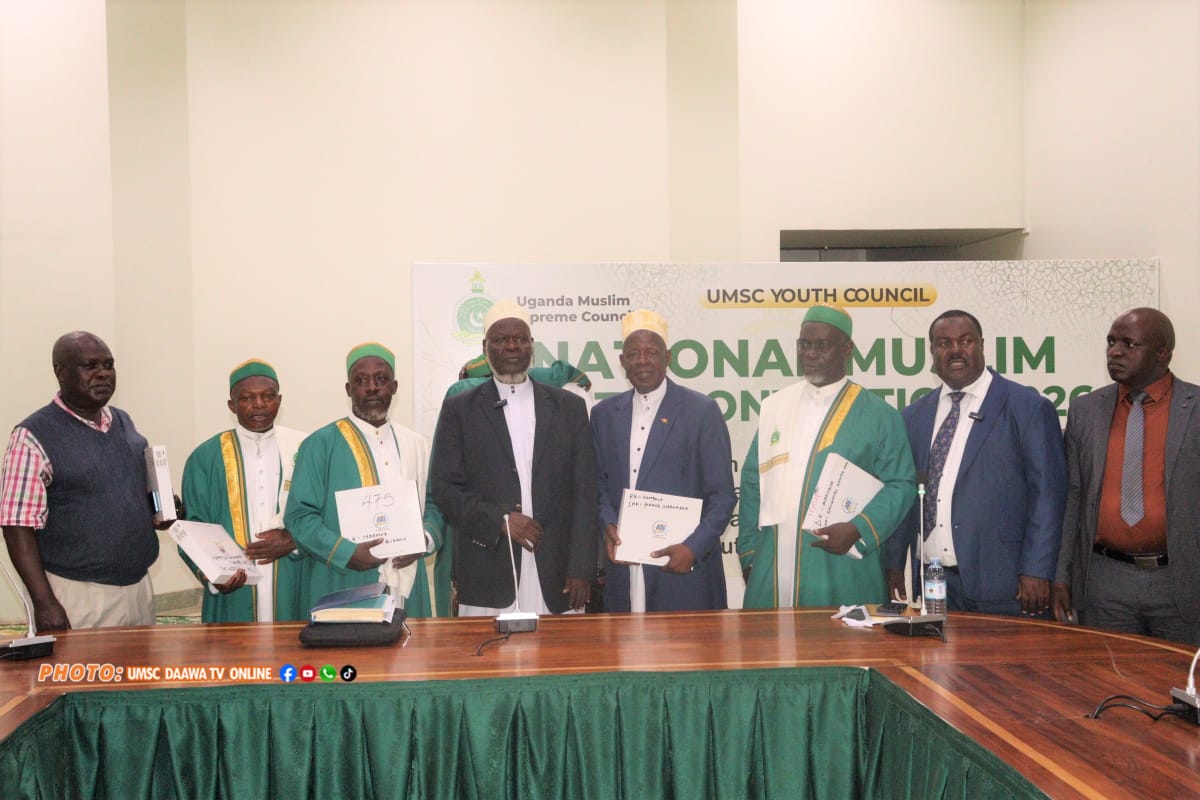
RDC Secretariat, Anti-Corruption Unit Warn Iganga Leaders: ‘No More Sleep, No More Corruption’
The RDC Secretariat and Anti-Corruption Unit have challenged Iganga leaders to strengthen oversight, fight corruption and ensure government programmes translate into tangible improvements for households.
Founder & Chief Editor · 9 September 2026 · 6 min read
IGANGA, UGANDA — September 8, 2026
By Barasa Richard
The Office of the President has challenged leaders and government officials in Iganga District to intensify oversight of government programmes, fight corruption and help households move from subsistence living into the money economy.
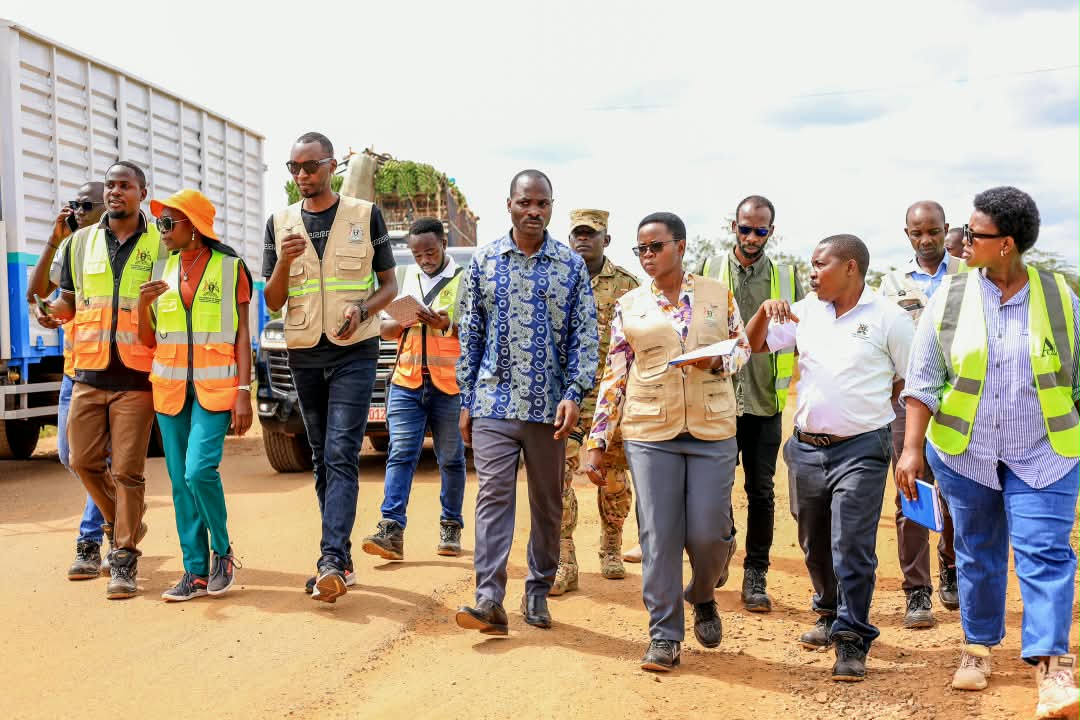
The call was made during a visit to Iganga by the RDC Secretariat and the Anti-Corruption Unit (ACU), departments under the Office of the President, as part of efforts to strengthen the capacity of Resident District Commissioners (RDCs) and other field officers to monitor government programmes and improve service delivery.
Maj. Martha Asimwe, who addressed leaders during the engagement, said the mission was intended to reawaken the oversight, monitoring, mobilisation and accountability role of RDCs so that they can collectively fulfil the mandate entrusted to them by President Yoweri Museveni. She said the RDC Secretariat and the ACU are expected to complement the work of field officers by monitoring, assessing, verifying and following up government programmes while reaching communities at the grassroots to understand their concerns and explain the purpose and benefits of government interventions. According to Asimwe, government mobilisation should go beyond simply encouraging people to participate in programmes and should instead focus on changing mindsets and promoting self-reliance. “The major aim is not simply to mobilise people; it is also to change mindset,” Asimwe said, urging communities to move away from dependency, hopelessness and subsistence living and embrace hard work, enterprise, innovation and opportunities created through government programmes. She said leaders must work together to ensure that government programmes reach their intended beneficiaries and generate tangible improvements in people's lives. “We must agree as leaders and communities that poverty is not our destiny,” she said, calling for concerted efforts to lift households out of what she described as endoolo and okulambara—conditions associated with poverty, helplessness and persistent struggle.
Asimwe warned that extreme poverty can fuel frustration, hopelessness and other social challenges, affecting not only individuals and families but also communities and the country's development. She said the responsibility of government leaders is therefore to restore hope, promote self-reliance and ensure that households understand and utilise available opportunities to improve their livelihoods.
Moving households into the money economy
A major focus of the engagement was the need to accelerate the transition of households from subsistence production into commercial agriculture and other productive economic activities. Asimwe cited the 39 percent figure used by government under the Parish Development Model (PDM) to illustrate the scale of the national challenge involving households that largely produce for their own consumption rather than participating meaningfully in the money economy.
She said the 2024 National Population and Housing Census provides a more current picture of the situation in Iganga, where the district has 101,789 households, with 25.2 percent classified as being in the subsistence economy.
She challenged leaders to look beyond the figures and measure how many households are actually being assisted to transition into commercial production, value addition and sustainable income generation. “Our question must be: How many households are we helping to move from subsistence to commercial production, from commercial production to value addition, and from value addition to sustainable household income?” she said. Asimwe stressed that programmes such as PDM and Emyooga should not be viewed as ends in themselves but as tools for wealth creation. She said PDM beneficiaries should receive more than financial support, arguing that they should also be guided to identify viable enterprises, invest properly, produce goods, access markets, make profits, save and reinvest. “That is how we should move households into the money economy,” she said.
Iganga urged to exploit agricultural potential Asimwe said Iganga is strategically positioned to benefit from Uganda's economic transformation because of its agricultural base, growing urban economy and road connections linking Busoga to other parts of the country. She said the district has the potential to become not only a producer of agricultural commodities but also a centre for agro-processing, trade, value addition and employment creation.
She challenged farmers to change the way they think about agriculture by moving beyond simply looking for markets for raw produce. “Our farmers must therefore be encouraged to move beyond simply asking, ‘Where can I sell my crop?’ We should be asking: ‘How can I produce consistently, add value, access better markets and earn more from the same piece of land?’” she said. She said this is the mindset that President Museveni is promoting as part of Uganda's broader economic transformation agenda.
Leaders told to monitor government investments The RDC Secretariat also called on leaders to closely monitor government investments in education, roads, electricity, water, health and skills development to ensure they deliver the intended benefits.
Iganga District has 153 government-aided primary schools and 12 government-aided secondary schools, while government has also invested in technical and skills development. Asimwe said infrastructure alone cannot transform households unless it produces the intended outcomes. “A school must produce skills. A road must create market access. Electricity must facilitate production. A health facility must provide quality healthcare,” she said. She challenged leaders and field officers to monitor whether government investments are translating into meaningful improvements in the lives of citizens.
Youth urged to embrace enterprise and skills Asimwe also highlighted the importance of young people in Uganda's economic transformation, saying the country's predominantly young population should be viewed as an economic asset rather than a burden. She urged leaders to support young people to acquire practical skills, establish enterprises and participate in productive sectors rather than relying solely on formal employment.
She said skills development should be connected to real economic opportunities in agriculture, manufacturing, construction, information and communication technology, mechanics, services and other sectors. “Youth are not a burden to Uganda. They are one of our greatest productive assets,” she said. ‘No More Corruption’ The engagement also placed strong emphasis on corruption and accountability, with Asimwe warning that corruption directly undermines government service delivery.
She said the theft of medicines hurts patients, teacher absenteeism affects children's education, diversion of PDM funds keeps families in poverty, poor-quality construction wastes taxpayers' money and manipulation of public procurement denies government value for money. “No More Corruption must begin with every one of us,” she said. She called on political leaders, technical officers, procurement officials, programme implementers and security agencies to work together to protect public resources.
Asimwe said the RDC Secretariat and ACU would continue supporting monitoring and accountability but stressed that fighting corruption should not be left to a single institution. “Accountability is not the responsibility of one institution. It is everybody's responsibility,” she said.
Leaders urged to work as one team The meeting further called for greater cooperation among political leaders, civil servants and security agencies, with Asimwe urging them to put aside institutional differences when delivering services to citizens. “Political leaders, technical officers and security actors must work as one team,” she said.
She argued that ordinary citizens are more concerned about whether government services are delivered than which institution is responsible for delivering them. “The people of Iganga do not care which Government institution delivers a service. They care that the service is delivered,” she said.
Asimwe urged leaders to move from meetings to action, from reports to results and from promises to measurable change. She said the ultimate objective should be to make Iganga a district where more households enter the money economy, government investments deliver value, young people become productive and public resources are protected. “The approach should be clear; decisions must translate into action, contractors must deliver on quality and time and public resources must provide visible value to Ugandans,” she said.
She concluded with a strong call for renewed commitment to public service: “No More Sleep. No More Corruption. No More excuses.” She urged RDCs, civil servants and security actors to remain professional and serve above personal interests, stressing that service delivery must remain their priority, unity their strength, accountability their responsibility and transformation their mission.
Founder & Chief Editor
Founder and Chief Editor of Osmara Digital Media. Journalist and historian telling Africa's stories through an African lens, from West Nile to the continent.
Related stories
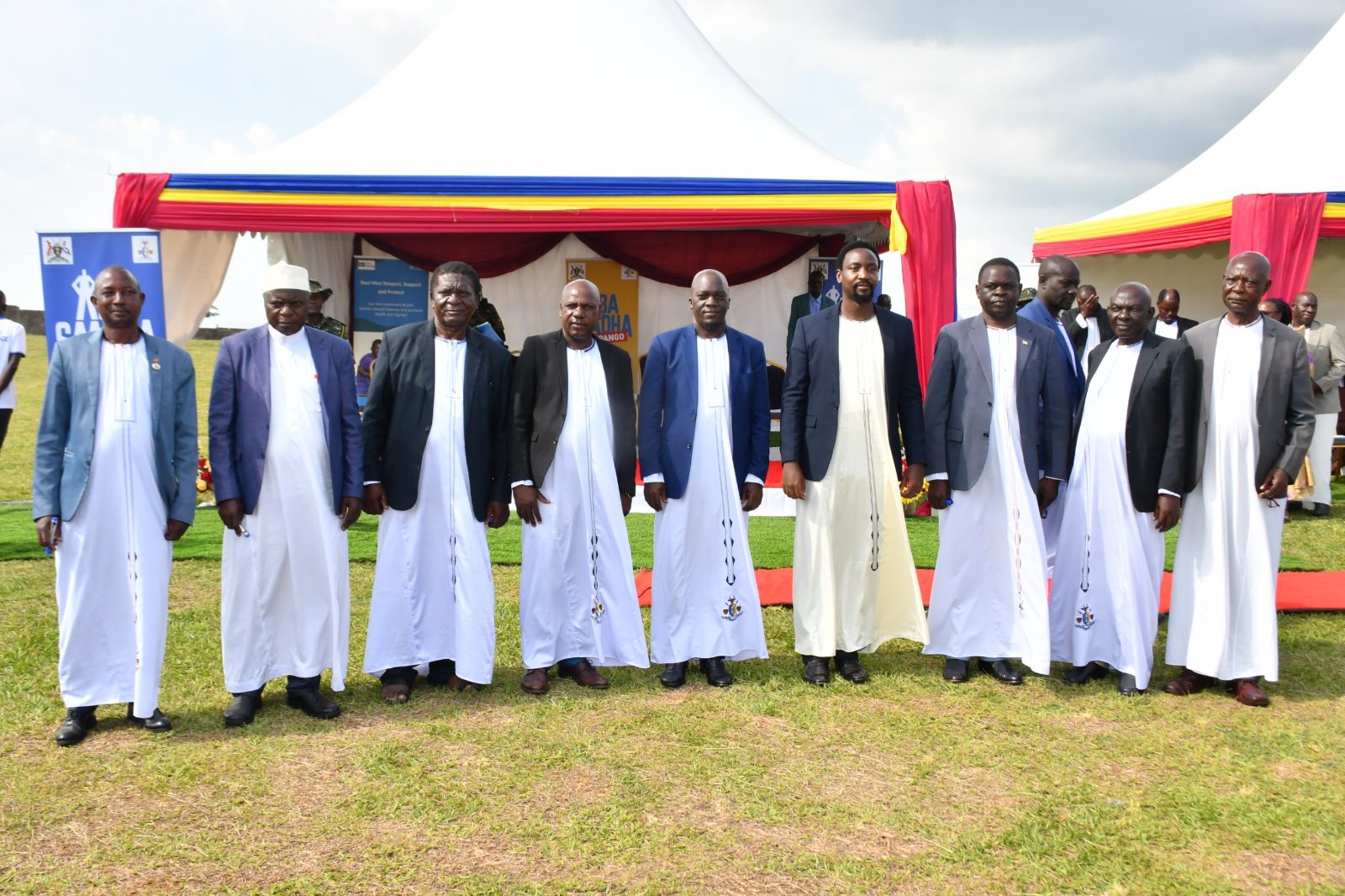
KYABAZINGA MOBILISES BUSOGA LEADERS TO TACKLE TEENAGE PREGNANCY AND POVERTY
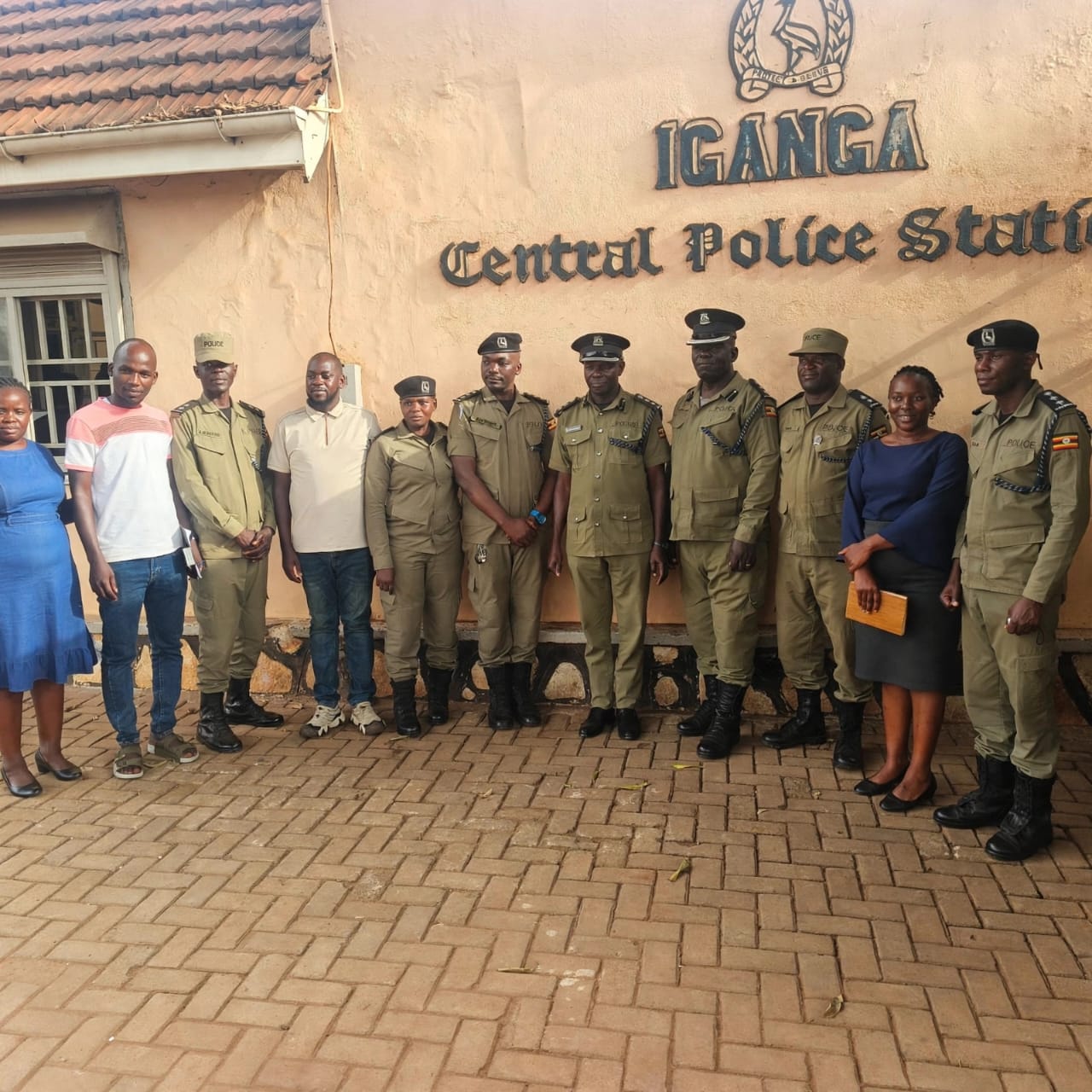
Busoga East Police Intensifies Security Inspections Ahead of Festive Season
Government to Advance UGX 175 Billion to Complete Hoima–Busunju Road Ahead of AFCON 2027