
Rwenzori Mountain Farming: A Lesson in Uganda's Work Ethic
In Uganda's Rwenzori region, every slope is a farm and every day a working day, a travelling writer finds on the final leg of his western tour.

Founder & Chief Editor · 4 June 2026 · 3 min read
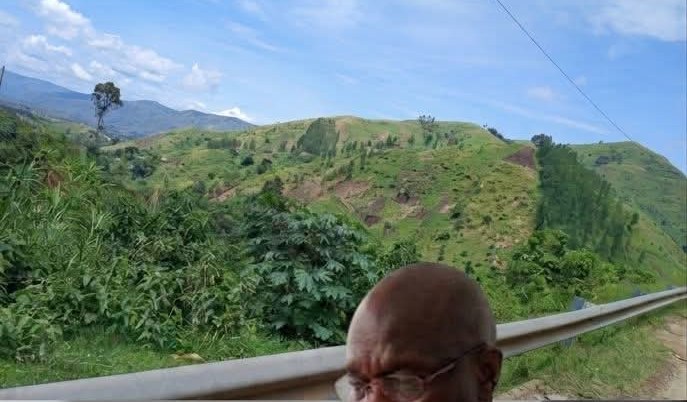
RWENZORI REGION, Uganda - As I bring my journey through Uganda's Western Region to a close, I find myself reflecting on far more than breathtaking landscapes and winding roads. The true highlight of this tour was not the scenery. It was the remarkable work ethic of the people who call this region home.
The air in the Rwenzori region does not just feel cooler. It feels purposeful.
As we drove through the vast Rwenzori ranches, the view beyond the windscreen changed from a picturesque backdrop into a living testament to resilience and hard work. In many parts of the country, mountains are admired as natural wonders or viewed as obstacles to development. Here, the mountains are the engine of livelihoods.
Farms that climb the slopes
Looking across the rolling hills, I was struck by a sight that seemed almost unbelievable. Every available piece of land, from the fertile valley floors to the steep mountain slopes, had been cultivated. There was little untouched ground. Instead, there were gardens clinging to hillsides where simply standing upright looked difficult. Looking uphill did not reveal only the sky; it revealed another family's farm, another harvest in the making.
This vertical landscape of agriculture speaks volumes about the determination of the people. Every terrace has been carefully carved and every plot put to productive use, ensuring that even the rains are captured rather than wasted. It is efficiency shaped by necessity and sustained by discipline.
A contrast in the use of time
The experience inevitably made me reflect on what I have often observed in the West Nile region. Every region has its own strengths and challenges, but the contrast in the use of time was striking. In parts of West Nile, it is not uncommon to find groups of young people and men gathered along the roadside, passing time in conversation.
In the Rwenzori region, the roadside is simply another place of work. Everywhere you look, people are planting, tending crops, harvesting, transporting produce or preparing the next piece of land. Idleness is difficult to find.
The mountain as a classroom
The Rwenzori Mountains are more than a breathtaking backdrop; they are a classroom. They teach a simple but profound lesson: the land rewards only those willing to work it. The productivity of this region is not accidental. It is the result of generations of discipline, persistence and an unwavering commitment to making every square metre count.
Imagine the possibilities if that same intensity of land use and labour were replicated across other parts of Uganda. Communities blessed with fertile land could unlock enormous economic potential simply by embracing a culture where every acre matters and every day counts.
As we finally left the ranches behind, one image stayed with me: gardens stretching impossibly high into the mountains, proof that determination can turn even the steepest slopes into productive farmland.
A philosophy of work
My journey through the Western Region has been more than a tour of beautiful scenery. It has been an encounter with a philosophy of work.
When I think back on the miles travelled, I will remember not only the magnificent Rwenzori peaks but also the people who have transformed those mountains into symbols of enterprise and self-reliance. Their example is a powerful reminder that prosperity is not determined by geography alone. It is built through effort, discipline and the refusal to let either time or land go to waste.
As I leave the West, I carry with me more than memories of stunning landscapes. I leave with a renewed appreciation for the dignity of labour, and a deeper conviction that Uganda's greatest resource is not found beneath its soil but in the hands of its people.
Founder & Chief Editor
Founder and Chief Editor of Osmara Digital Media. Journalist and historian telling Africa's stories through an African lens, from West Nile to the continent.
Related stories
No Grass, No Water: How the Dry Spell Is Pushing Western Uganda’s Cattle Farmers to the Edge
Mbarara Central Market: Inside the Food Basket Feeding Western Uganda

Mbarara City Rising: How Uganda’s Cattle Corridor Is Driving Western Region’s Growth