Mbarara City Rising: How Uganda’s Cattle Corridor Is Driving Western Region’s Growth
Mbarara is emerging as a major economic hub in western Uganda, combining rapid urban growth with its strong cattle, dairy, agricultural and commercial economy.
Founder & Chief Editor · 15 August 2026 · 3 min read
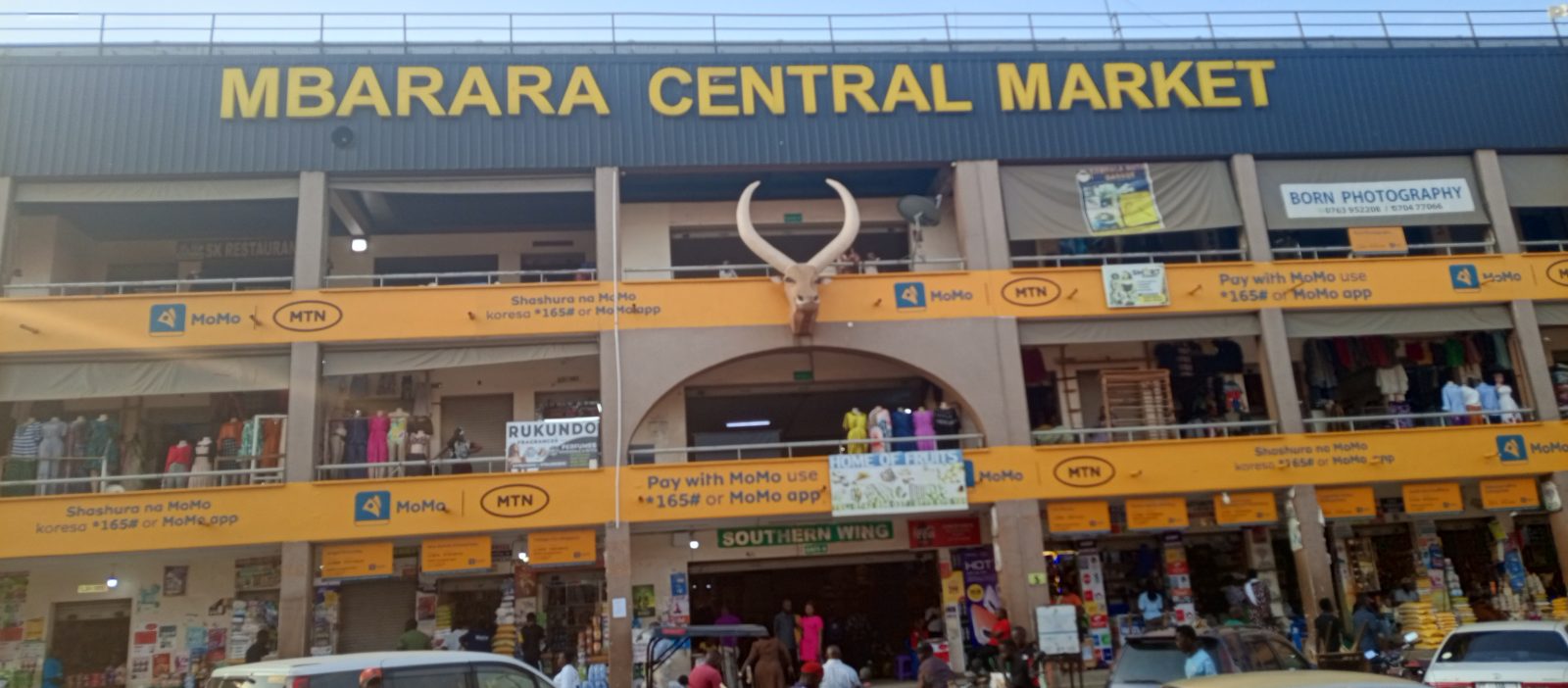
MBARARA CITY — The sound of construction, busy streets, expanding businesses and a growing population tell a clear story: Mbarara is changing rapidly.
As part of a Western Uganda tour to report on the growth of cities and major towns across the region, Osmara Digital Media visited Mbarara to explore how the city is positioning itself as a major centre for business, education, healthcare, transport and investment.
But Mbarara's importance goes beyond its modern buildings and busy commercial streets. The city sits at the heart of Uganda's cattle corridor, giving it a strong connection to the country's livestock economy.
A city built around trade and cattle Mbarara has long been a major commercial gateway for western Uganda. Its location places it at the centre of trade between cattle-producing communities and markets in different parts of the country. The wider Mbarara area is renowned for Ankole long-horned cattle, a distinctive breed that remains an important part of the region's economy and cultural identity.
Cattle farmers, traders, milk producers, transporters and meat businesses all contribute to the city's wider economy.
The livestock sector also supports numerous businesses, including veterinary services, animal-feed suppliers, milk collection centres, butcheries, restaurants and transport services.
From cattle corridor to modern city The transformation of Mbarara demonstrates how traditional economic activities can exist alongside rapid urban development.
While cattle remain important to the regional economy, the city has expanded into a diversified commercial centre with growing retail, hospitality, education, healthcare, construction and service sectors.
This combination gives Mbarara a unique economic identity: a modern city deeply connected to the agricultural and livestock economy of western Uganda.
A growing commercial centre Mbarara's central business district remains one of the busiest commercial areas in western Uganda.
Retail shops, restaurants, banks, supermarkets, garages and professional services continue to expand to serve a growing population and customers arriving from surrounding districts.
The city's strategic location also gives it an advantage as a gateway connecting western Uganda with Kampala and neighbouring countries. Construction reshaping the skyline One of the most visible signs of Mbarara's growth is construction. Commercial buildings, apartments, hotels and other developments are transforming the city's skyline. The construction boom is creating opportunities for contractors, engineers, artisans, suppliers and other businesses.
A transport and agricultural hub Mbarara's roads connect it to major towns and districts across western Uganda.
Buses, taxis, boda bodas, trucks and private vehicles are a constant feature of the city, reflecting its importance as a transport and trading hub.
Farmers also depend on Mbarara's markets to sell agricultural produce, livestock and dairy products.
Dairy farming driving the economy Mbarara's cattle economy has also helped establish the region as an important dairy-producing area. Milk from surrounding farms feeds into collection, processing and distribution networks, creating income for farmers while supporting traders, transporters and processors. The dairy sector therefore links rural communities directly to the urban economy.
Education and healthcare The city has also emerged as an important centre for education and healthcare.
Universities, colleges, schools, hospitals and specialised health facilities attract students, professionals and patients from across western Uganda and beyond. These institutions support a wider economy involving accommodation, restaurants, transport and retail businesses.
Opportunities for young people Mbarara's expanding economy is creating opportunities for young entrepreneurs.
From technology and mobile money businesses to restaurants, fashion, transport and small-scale manufacturing, young people are increasingly participating in the city's economy.
Managing the growth Mbarara's rapid growth also brings challenges, including traffic congestion, pressure on drainage and waste-management systems, demand for affordable housing and the need for improved infrastructure.
Managing these challenges will be essential to ensuring that the city's expansion remains sustainable. A regional city with a strong identity.
Mbarara is no longer simply a stopover on the way to western Uganda. It is increasingly becoming a regional economic centre connecting Uganda's urban economy with the cattle, dairy and agricultural economy of the countryside.
From Ankole long-horned cattle to modern commercial buildings, from dairy farms to growing businesses, Mbarara represents the changing face of western Uganda.
The city's future may lie not in abandoning its cattle-corridor roots, but in building a modern urban economy around them.
Founder & Chief Editor
Founder and Chief Editor of Osmara Digital Media. Journalist and historian telling Africa's stories through an African lens, from West Nile to the continent.
Related stories
Museveni Urges Busoga Families to Turn Small Landholdings into Wealth-Creation Opportunities
Museveni Hails Pastor Kayanja’s Ministry, Calls for African Unity and Prosperity at Big Fix Conference
Yumbe Town’s Urban Development Gains Momentum as Drainage Works Transform Commercial Centre