Koboko Woman MP Aate Sharifah Taban Explores Development Partnerships to Boost Agriculture and Local Trade
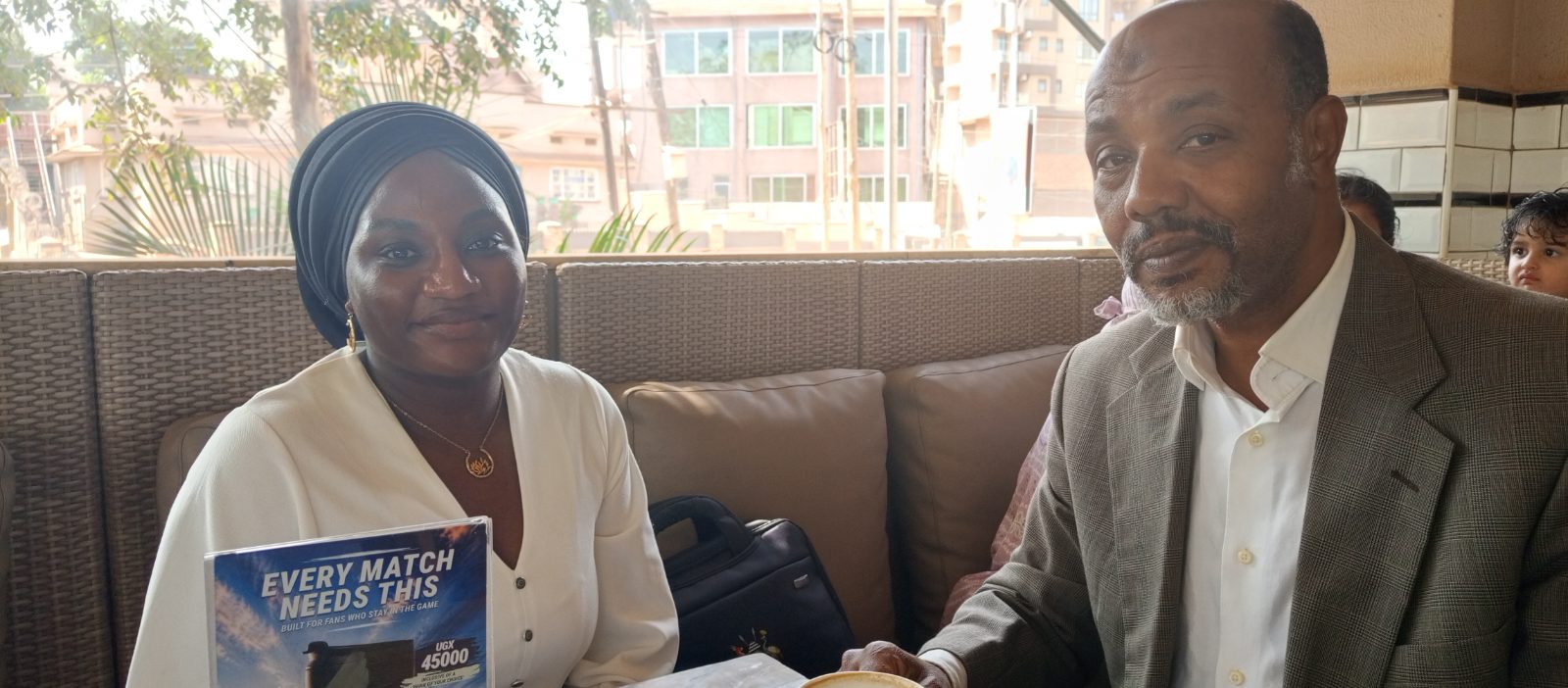
Koboko MP Hon. Aate Sharifah Taban and African Commercial Bureau Managing Director Yasser Aly discuss potential development partnerships focused on agriculture, value addition, women’s empowerment and regional trade.

Founder & Chief Editor · 3 September 2026 · 6 min read
By Osmara Digital Media
KAMPALA, September 3, 2026 — Hon. Aate Sharifah Taban, Woman Member of Parliament for Koboko District, on Thursday held a development-focused discussion with Yasser Aly, Managing Director of African Commercial Bureau, on potential partnerships to strengthen agriculture, promote value addition, improve access to finance and expand local and regional markets in Koboko and the wider West Nile region.
The engagement, held in Kampala on September 3, focused on practical areas of cooperation that could complement existing development efforts and create opportunities for farmers, entrepreneurs, women and other community members.
At the centre of the engagement was the need to help farmers move beyond the production and sale of raw agricultural commodities by improving access to appropriate machinery, technical training, financing, value-addition facilities and reliable markets.
Hon. Aate Sharifah Taban expressed interest in exploring credible development partnerships capable of translating ideas into practical initiatives that can improve livelihoods and strengthen economic opportunities for communities in Koboko and the wider West Nile region.
Strengthening Agriculture Through Value Addition
The discussions considered a model in which farmers could receive support throughout the agricultural value chain, from production and processing to marketing.
This would involve identifying agricultural commodities with strong potential in Koboko, assessing challenges faced by farmers and determining where machinery, technical skills and financing could help increase production and local processing.
Yasser Aly highlighted the potential role of appropriate agricultural equipment in supporting value addition at community level. Processing more agricultural products locally could create additional opportunities in packaging, transportation, storage, marketing and retail while increasing the value retained within farming communities.
The approach can also help to strengthen the capacity of local entrepreneurs to participate in agricultural value chains, allowing economic opportunities to extend beyond primary farming into processing, distribution and other supporting services.
Expanding Local and Regional Markets
The engagement also explored opportunities to develop organised markets at strategic locations where locally produced and processed goods could be sold to consumers, traders and travellers.
Koboko and the wider West Nile region have important commercial links with neighbouring South Sudan and the Democratic Republic of Congo. Strengthening local production and processing capacity could therefore help businesses take advantage of existing regional trade opportunities.
The proposed approach will initially focus on strengthening local and regional markets while gradually improving product quality, packaging, consistency and business capacity.
Developing stronger local markets could also encourage farmers to increase production by providing clearer and more reliable outlets for their products.
Supporting Women and Single Mothers
Women’s economic development featured among the areas considered during the engagement, with particular attention to creating practical opportunities for women to participate in agriculture, small businesses, value addition and local trade.
Special consideration was given to single mothers, who often carry significant household responsibilities while facing barriers to accessing capital, productive equipment, business skills and reliable markets.
The proposed development approach could provide opportunities for single mothers to participate in income-generating activities through access to appropriate financing, vocational and business training, agricultural value chains and small-scale processing.
The broader objective will be to create sustainable economic opportunities that enable women to strengthen their livelihoods, support their families and contribute meaningfully to community development.
Women could also benefit from organised savings and microfinance arrangements, skills development and opportunities to participate in cooperative and value-addition activities, depending on the specific programmes that may emerge from further consultations.
Putting Local Expertise at the Centre
The engagement also underscored the importance of involving existing district technical personnel in any future development initiatives.
Agriculture officers, marketing officials and other technical experts already possess valuable knowledge about local farming conditions, production challenges, market opportunities and the needs of different communities.
Their involvement will help ensure that potential interventions are informed by local realities and complement existing government structures and programmes.
The discussion also considered reviewing existing agricultural development plans and technical recommendations to identify areas where additional financing, equipment, training or international expertise could provide meaningful support.
Building on Existing Government Programmes
The engagement recognised that Uganda already has various programmes and policies aimed at transforming agriculture, improving livelihoods and supporting enterprise development.
The focus of any potential cooperation would therefore be to complement existing efforts rather than create parallel structures. Further consultations with relevant authorities and technical stakeholders would be important in identifying gaps and determining where additional support could have the greatest impact.
This approach could also provide a stronger foundation for developing practical proposals that bring together government technical expertise, farmers, financial institutions, development partners and private-sector actors.
From Development Ideas to Practical Initiatives
The engagement emphasised the importance of moving from development ideas to practical initiatives that can be tested at community level.
A possible pilot could bring together farmers, women, single mothers, technical officers, financial institutions, private-sector actors and development partners around selected agricultural and enterprise opportunities.
Lessons from such an initiative could then guide future expansion and help identify approaches that are practical, sustainable and responsive to community needs.
The proposed model would connect farmers and entrepreneurs to technology, finance, skills, processing facilities and markets, ensuring that support is accompanied by the knowledge and commercial opportunities required to make it productive.
Potential Benefits for Koboko and West Nile
Strengthening agricultural value chains could help improve household incomes while creating opportunities for employment and small-business growth.
Improved access to finance, machinery and technical training could enable farmers and entrepreneurs to undertake more value addition locally. Organised markets could strengthen connections between producers and consumers while supporting businesses involved in transportation, storage, packaging and marketing.
For women, particularly single mothers and young women seeking economic opportunities, stronger agricultural value chains and enterprise support could provide additional avenues for income generation and greater participation in the local economy.
The region’s commercial links with South Sudan and the Democratic Republic of Congo could also provide opportunities for increased regional trade as local producers improve their capacity to meet market demand.
A Starting Point for Further Cooperation
The September 3 engagement between Hon. Aate Sharifah Taban and Yasser Aly, Managing Director of African Commercial Bureau, was a starting point for exploring potential development cooperation rather than an announcement of an already established programme or signed agreement.
Further consultations would be required to identify priority agricultural value chains, engage relevant authorities and stakeholders, assess available resources and determine practical areas for cooperation.
For Koboko and the wider West Nile region, the broader objective is to strengthen the connection between farmers, finance, technology, skills, value addition and markets while ensuring that women and other community members have meaningful opportunities to participate in economic development.
The proposed approach places emphasis on building from existing local resources and expertise while exploring constructive international and private-sector cooperation where it can add value.
If successfully developed, such cooperation could contribute to stronger agricultural enterprises, increased local processing, employment opportunities and improved livelihoods for communities across Koboko and the wider West Nile region.
Osmara Digital Media was present during the September 3 development discussions in Kampala and will continue to follow developments surrounding the potential areas of cooperation between Hon. Aate Sharifah Taban and Yasser Aly of African Commercial Bureau.
Founder & Chief Editor
Founder and Chief Editor of Osmara Digital Media. Journalist and historian telling Africa's stories through an African lens, from West Nile to the continent.
Related stories
MUSEVENI URGES EUROPEAN INVESTORS TO EXPAND PARTNERSHIPS IN UGANDA’S KEY ECONOMIC SECTORS

KYABAZINGA MOBILISES BUSOGA LEADERS TO TACKLE TEENAGE PREGNANCY AND POVERTY
EU Council Agrees Position on New Agricultural Market Rules for 2028–2034