
Osmara Digital Media Explores Coffee Farming Potential at Kawanda to Boost West Nile Incomes
Osmara Digital Media explores coffee farming opportunities at Kawanda, examining quality seedlings and recommended agronomic practices that could help boost agricultural productivity and household incomes in West Nile.

Founder & Chief Editor · 18 October 2026 · 3 min read
By Osmara Digital Media Editorial Desk
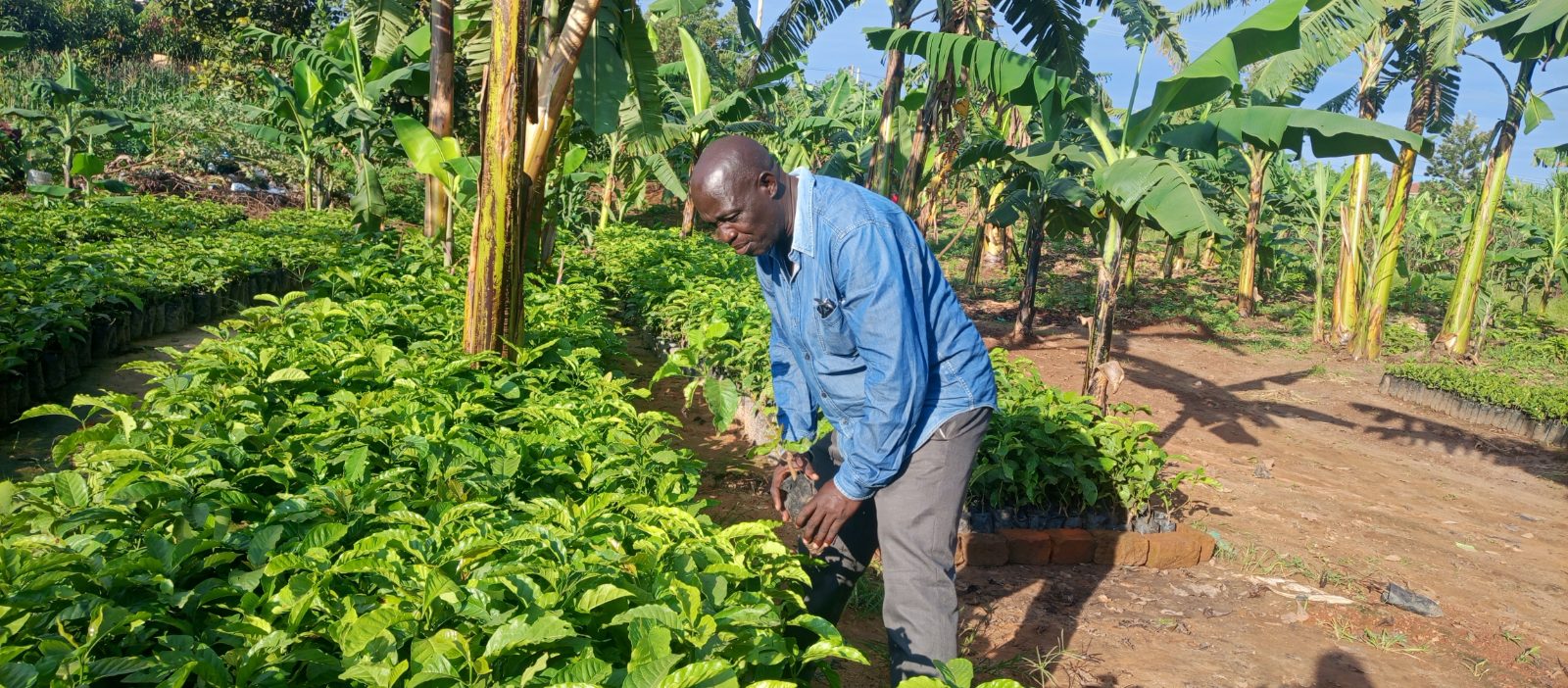
KAWANDA, Uganda | October 18, 2026 — Osmara Digital Media is exploring agricultural opportunities that could transform livelihoods in West Nile following a visit to Kawanda to learn about improved coffee seedlings, recommended planting practices and the potential of commercial coffee farming to increase household incomes.
The visit reflects the legally registered digital media platform’s broader approach to media work, which combines reporting on developments across Africa with an interest in identifying practical opportunities in agriculture, business and community development.
During the engagement, the team sought information about quality coffee planting materials that could support farmers in West Nile, where agriculture remains a major source of livelihood for many households.
The initiative aims to encourage farmers to complement traditional food crops with commercially valuable crops capable of generating income over several years.
Coffee Farming Offers Long-Term Income Opportunities
Agricultural guidance shared during the engagement recommends planting coffee seedlings at a spacing of three metres by three metres to allow room for tree development and effective farm management.
At this spacing, approximately 450 seedlings can be planted on an acre, although the actual number may vary depending on the layout, terrain and space required for access paths.
According to the production estimates provided, a coffee tree may yield between seven and 10 kilogrammes at approximately two years. Production could increase to between 15 and 20 kilogrammes per tree at three to four years, depending on the variety and agronomic practices.
These estimates illustrate the potential of coffee farming as a commercial enterprise for farmers prepared to invest in quality planting materials and proper plantation management.
However, actual yields depend on factors including the coffee variety, soil fertility, rainfall, water availability, pest and disease control, and farming practices.
Farmers should also confirm whether the quoted weights refer to fresh coffee cherries or processed beans when estimating potential earnings.
With appropriate technical support, coffee farming could help households meet expenses such as school fees, healthcare and housing while creating employment opportunities in planting, harvesting, transportation and processing.
Why Osmara Digital Media Visited Kawanda
Operating under the slogan Africa in Focus, Osmara Digital Media covers governance, business, agriculture, technology and community development.
The Kawanda visit provided an opportunity to explore how improved planting materials and agricultural expertise could support farmers interested in commercial coffee production.
For West Nile, where many households seek more reliable cash income, coffee offers an opportunity to complement traditional food crops with a perennial commercial crop.
Nevertheless, successful production requires suitable varieties, proper soil management, adequate water, effective pest and disease control, and access to dependable markets.
Farmers are encouraged to consult agricultural experts before establishing plantations to ensure their chosen varieties and farming methods suit local conditions.
Protecting Land Through Productive Agriculture
The visit also highlights the importance of treating land as a productive asset capable of supporting families across generations.
Instead of depending exclusively on seasonal crops or selling family land to meet immediate financial needs, farmers could explore suitable commercial crops as part of their long-term livelihood strategies.
Coffee and cocoa offer opportunities in suitable areas, provided farmers carefully assess production costs, growing conditions and market access. Maintaining food production while gradually introducing commercial crops could help households diversify income without unnecessarily compromising food security. Connecting Journalism with Development
For Osmara Digital Media, the Kawanda engagement demonstrates how media work can also identify and communicate opportunities that may benefit communities. By exploring agricultural innovation and commercial farming, Osmara Digital Media seeks to connect its audience with practical information that can inform investment and livelihood decisions.
Ultimately, promoting informed agricultural investment could help strengthen household incomes, create employment and contribute to sustainable economic development in West Nile and beyond.
Founder & Chief Editor
Founder and Chief Editor of Osmara Digital Media. Journalist and historian telling Africa's stories through an African lens, from West Nile to the continent.
Related stories

Kenya President Ruto Announces Plan to Scrap 25% Mobile Phone Import Duty

Bugiri Police Arrest Suspected Motorcycle Thief, Recover Bike Stolen in Busia

Osmara Digital Media Connects African Regions Through a Growing Continental News Network