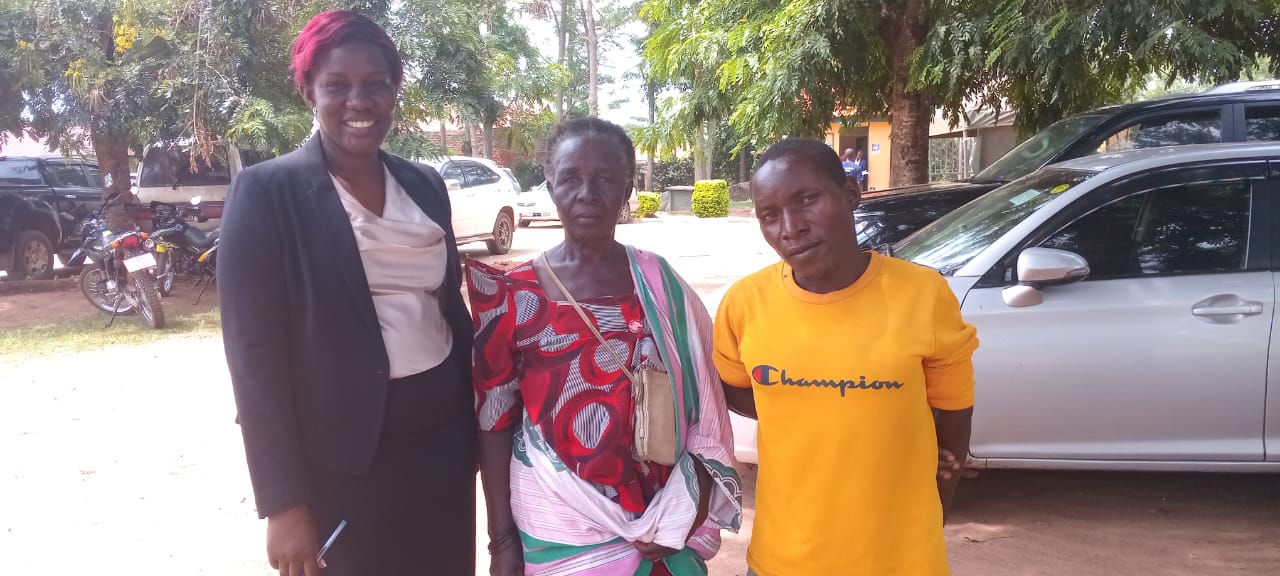
EU Council Agrees Position on New Agricultural Market Rules for 2028–2034
The Council of the European Union has approved a partial negotiating position on agricultural market reforms for 2028–2034, covering farmer support, protein crops, school food programmes and marketing standards.
Founder & Chief Editor · 19 October 2026 · 4 min read
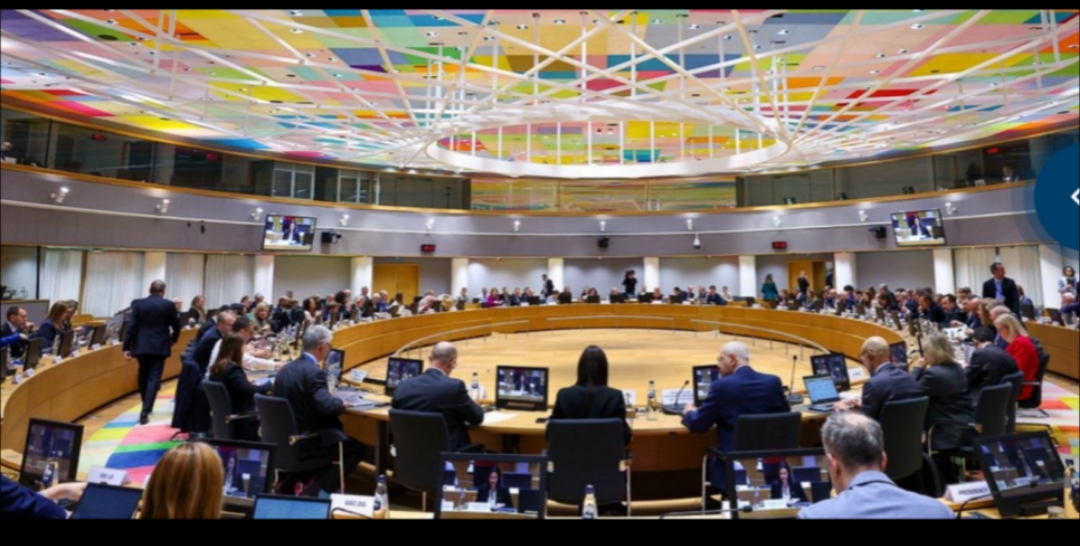
BRUSSELS, Belgium — The Council of the European Union has approved a partial negotiating position on proposed changes to the bloc’s agricultural market rules, aiming to strengthen farmers’ position in the food supply chain, improve market stability and support a competitive agrifood sector from 2028 to 2034. The decision, announced on Monday, 19 October 2026, forms part of negotiations on the European Union’s next long-term budget, known as the Multiannual Financial Framework (MFF), which will cover the period from 2028 to 2034.
The revised rules concern the Common Market Organisation (CMO), which establishes the framework for agricultural markets across the EU, including market interventions, marketing standards, producer organisations and trade in agricultural products.
According to the Council, the negotiating position seeks to modernise existing arrangements while adapting agricultural market policies to the proposed structure of the EU’s next long-term budget.
Ireland’s Minister for Agriculture, Food and the Marine, Martin Heydon, said the agreement was an important step towards shaping the future of European agricultural markets. He said the objective was to support a resilient and competitive agrifood sector, strengthen farmers’ position in the food supply chain and ensure consumers continue to access high-quality food.
New Funding Framework for Agriculture Under the European Commission’s proposed budget framework, existing
EU funding streams, including support under the Common Agricultural Policy (CAP), would be brought together within a new National and Regional Partnership Fund (NRPF). Each member state would prepare a single comprehensive plan covering areas currently addressed through separate programmes, including cohesion, agriculture, fisheries, migration, security and the Social Climate Fund.
Under the proposed arrangements, funding for measures currently covered by the CMO regulation would be governed by the NRPF regulation. However, the Council’s agreement remains partial because it does not cover financial allocations or horizontal issues, which are still subject to negotiations on the overall 2028–2034 budget.
Support for Farmers and Agricultural Sectors
The Council’s position provides for mandatory sectoral interventions in apiculture, fruit and vegetables, and, under certain circumstances, wine production. These interventions are intended to support agricultural market stability, improve efficiency and help sustain farmers’ incomes.
The Council has also proposed flexibility for the wine sector to accommodate countries where wine production is not well developed. Another major element is the creation of a separate sector for protein crops and oilseeds, replacing the existing dried fodder sector.
The proposed change aims to encourage domestic production, reduce dependence on imported protein crops and strengthen the EU’s strategic autonomy in this area.
Member states would also be encouraged to recognise producer organisations within the new sector to support the implementation of sectoral interventions.
School Food Programme to Continue
The EU school scheme, which provides funding for the distribution of fruit, vegetables and milk to schoolchildren, will continue under the next long-term budget framework. The Council’s position maintains the programme’s objective of promoting healthy eating habits among children, including restrictions on the distribution of foods high in free sugars and fats.
Under the proposed arrangements, the programme would move from a school-year system to a calendar-year system. The Council has included transitional measures intended to facilitate implementation of the change.
New Marketing Standards and Hemp Rules
The proposed framework would allow the introduction of marketing standards for protein crops, beef, pigmeat, sheep meat, goatmeat and rice. These standards are intended to provide consumers with clearer information about the origin of agricultural products they purchase. The Council has also retained the European Commission’s proposal to harmonise rules governing hemp production and marketing across member states.
The proposed rules would cover all parts of the hemp plant and seek to reduce differences between national regulatory systems. At the same time, the framework would maintain seed certification requirements and a maximum threshold of 0.3% for delta-9-tetrahydrocannabinol (THC), alongside safeguards intended to protect public health.
The Council has introduced additional provisions to ensure that the harmonised rules do not interfere with national policies relating to public security, drugs and health. Negotiations with European Parliament Next The approved negotiating position provides the basis for the Council presidency to begin negotiations with the European Parliament on the proposed agricultural market rules. The final financial allocations for 2028–2034 will depend on the overall agreement on the EU’s next long-term budget.
Meanwhile, negotiations are continuing on the post-2027 Common Agricultural Policy regulation, with the Council aiming to agree on a partial negotiating mandate at the October Agriculture and Fisheries Council.
The CMO regulation governs important aspects of the EU agricultural market, including trade with non-EU countries, tariff quotas, marketing standards, geographical indications, labelling requirements and the operation of producer organisations. The European Commission presented its proposals for the 2028–2034 Common Agricultural Policy legislative framework on 16 July 2025.
The latest Council decision marks another step in the EU’s preparations for its next budget period, although the proposed rules and funding arrangements remain subject to further negotiations.
Founder & Chief Editor
Founder and Chief Editor of Osmara Digital Media. Journalist and historian telling Africa's stories through an African lens, from West Nile to the continent.
Related stories
MUSEVENI URGES EUROPEAN INVESTORS TO EXPAND PARTNERSHIPS IN UGANDA’S KEY ECONOMIC SECTORS
Nawandegeyi–Bukabooli Road Construction Begins, Bringing New Hope to Bunya East
PRESIDENT MUSEVENI COMMISSIONS $53M MILITARY FACILITY, DEEPENS UGANDA-RUSSIA DEFENCE COOPERATION