
Osmara Digital Media Looks Through the Final: Spain's Triumph Signals a New Era for World Football
Spain's 1-0 win over Argentina was more than a World Cup victory. It was a statement about where the game is heading, and what Africa can learn from it.

Founder & Chief Editor · 20 July 2026 · 5 min read
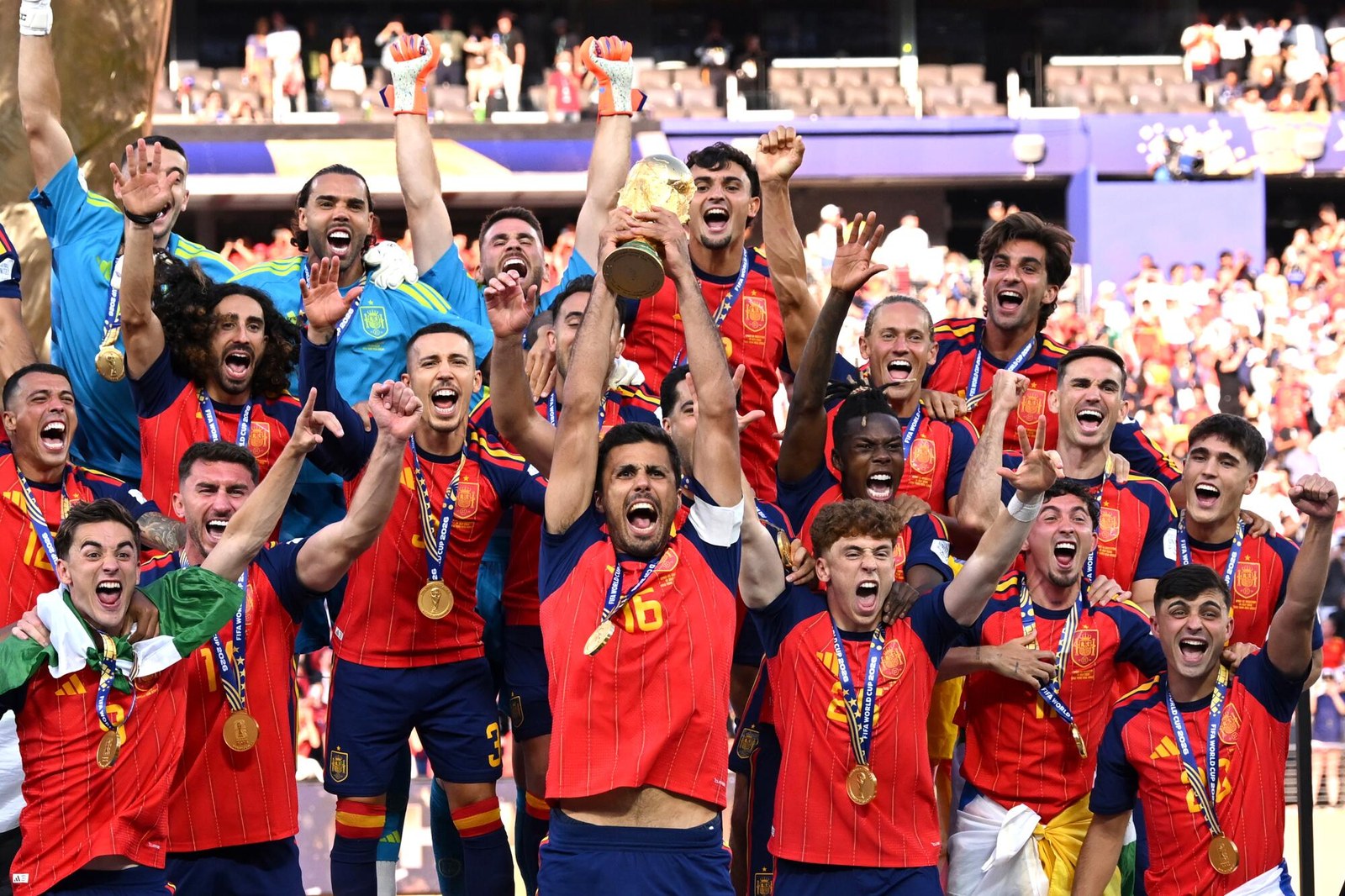
For years, FIFA World Cup finals have been defined by tension, caution and moments of individual brilliance. From Italy's defensive masterclasses to Argentina's dramatic penalty triumph over France in 2022, the biggest match in football has often been about surviving before thriving.
The 2026 final between Spain and Argentina was different.
It was more than a clash between Europe and South America. It was a meeting of football generations, philosophies and futures. Spain's narrow 1-0 victory over defending champions Argentina was not simply another World Cup triumph. It was a statement that the game is evolving.
The collective over the superstar
The first lesson from the final was the triumph of the collective over dependence on a superstar.
For nearly two decades, Argentina's identity has revolved around Lionel Messi. Even at 39, he remained capable of producing moments of magic and became the oldest outfield player to start a World Cup final. But Spain demonstrated that modern football increasingly rewards teams whose strength lies in movement, pressing and tactical discipline rather than reliance on one iconic figure.
Spain's success was built on a relentless team structure. Every player defended, every player attacked and every transition was calculated. Their midfield dictated possession while their defensive line remained remarkably organised, continuing a tournament in which Spain established one of the strongest defensive records ever seen at a World Cup.
A new generation arrives
The second lesson was the arrival of a new generation.
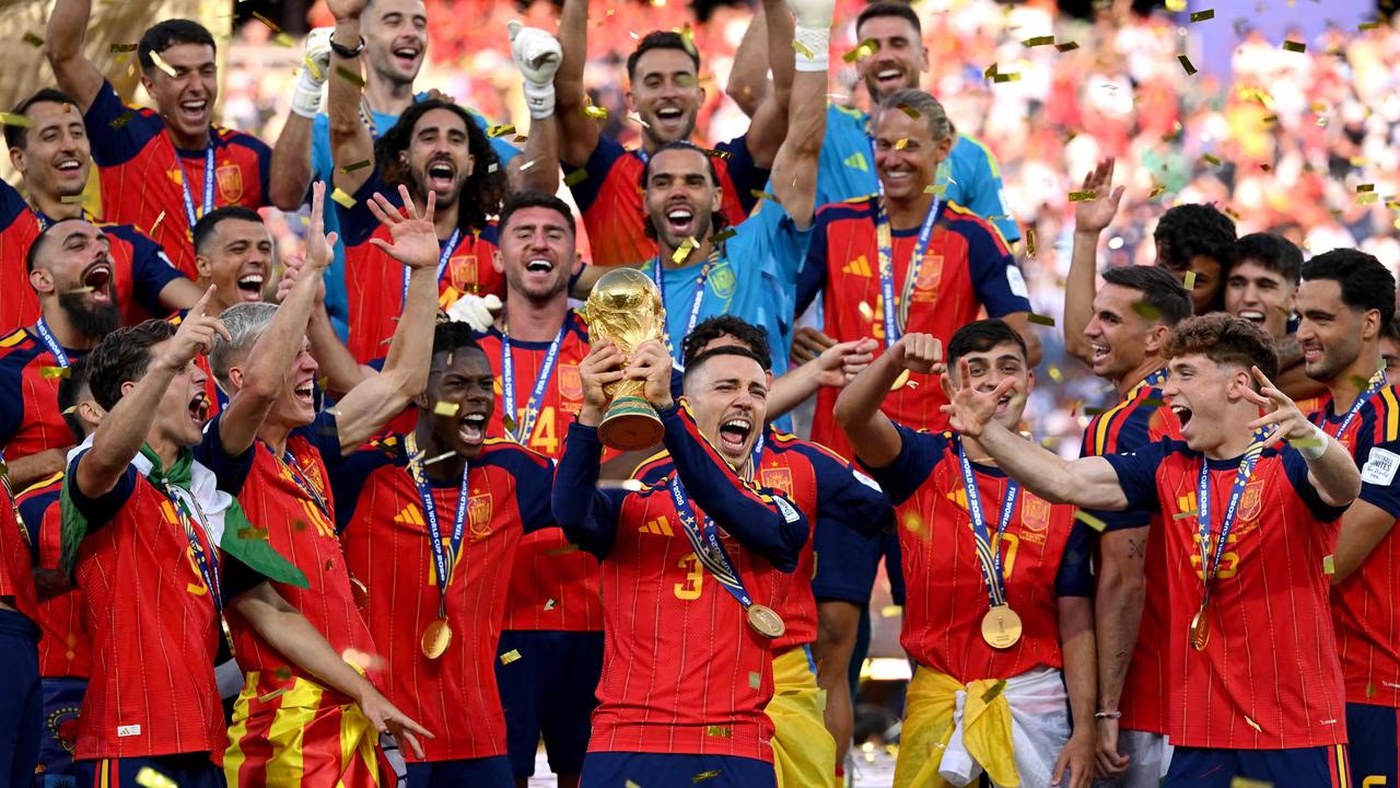
Unlike previous finals dominated by established legends such as Messi, Cristiano Ronaldo's contemporaries or veterans from Germany and France, this final showcased football's next wave. Spain's youthful core played without fear, proving that talent, when supported by a clear tactical identity, can overcome experience.
This changing of the guard may become the defining image of the tournament.
Tactical maturity, not caution
Another striking difference was the tactical maturity. Previous finals often became emotional battles with long spells of caution. Spain and Argentina instead delivered a contest built on pressing, positional play and intelligent ball circulation. It reflected how elite football has become increasingly data-driven and tactically sophisticated.
What Africa can learn
For Africa, there are valuable lessons.
The World Cup showed that success is no longer reserved only for traditional powers. The expanded 48-team tournament allowed emerging nations to compete more effectively, with several smaller football nations earning global admiration through fearless performances. The message for African football is clear: investment in coaching, youth development and tactical education can narrow the gap with the world's elite.
A new chapter
Perhaps the biggest takeaway is that football is entering a new chapter.
Spain's victory represents the return of a philosophy built on technical excellence, intelligent pressing and patient possession, but updated for the modern game with greater speed and athleticism. Argentina leave the tournament with pride after defending their title courageously, but the final also symbolised the gradual passing of an era led by one of football's greatest icons.
History will remember the 2026 World Cup final not simply because Spain lifted the trophy.
It will be remembered because it marked the moment when world football looked firmly towards its future.
For Africa, that future offers hope. The blueprint is becoming clearer: develop young players, trust modern coaching, embrace tactical innovation and build teams rather than stars. If the lessons of this final are embraced, the next nation rewriting football history may well come from the African continent.
Founder & Chief Editor
Founder and Chief Editor of Osmara Digital Media. Journalist and historian telling Africa's stories through an African lens, from West Nile to the continent.
Related stories
Manchester City Maintain Perfect Start as Premier League Produces Goal-Scoring Drama

Saka Strikes as Arsenal Beat Aston Villa 1–0 to Maintain Perfect Start

Chelsea’s New Era Begins With Victory: What Alonso’s Team Showed at Fulham