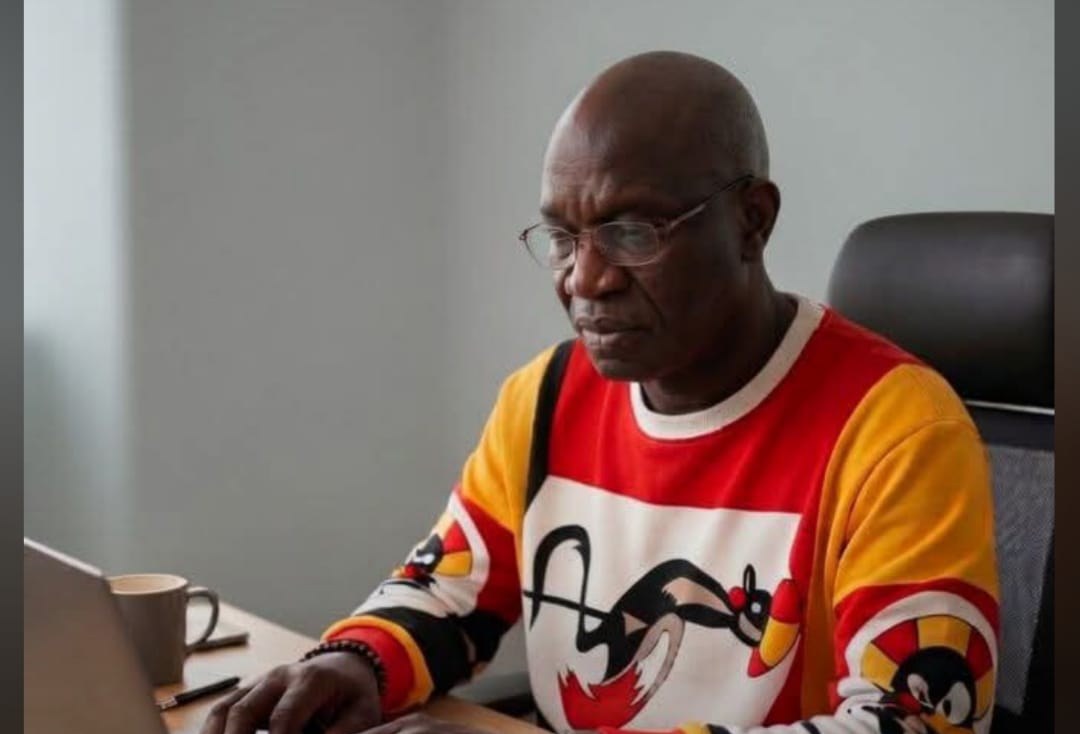
When a Teacher Falls Silent: Remembering Hajj Swali Onzima, the Man Who Planted Knowledge in Maracha and Beyond
Hajj Swali Onzima’s death leaves a lasting legacy of education, wisdom, and service in Maracha, Arua, and beyond.
Founder & Chief Editor · 29 July 2026 · 2 min read
By OSMARA DIGITAL MEDIA – Africa in Focus
There are moments when a journalist’s pen becomes heavy, when words refuse to come easily, and when memories bring tears before a story is completed. Today, writing about the passing of Hajj Swali Onzima, a respected teacher from Maracha, feels like touching the pages of a painful history book written with love, sacrifice, and service. As fingers tremble over the keyboard, one question echoes: How do we measure the life of a teacher whose greatest wealth was not money, but the minds he shaped? An African proverb says: “A tree is remembered by the shade it provides.” Hajj Swali Onzima was such a tree. His shade covered generations of learners, families, and communities that benefited from his dedication to education and moral guidance. From the villages of Maracha District to the growing streets of Arua City, his name carried the meaning of responsibility, humility, and commitment. He belonged to a generation of teachers who saw education not only as a profession but as a mission to transform society. Teachers like Hajj Swali were builders without bricks. They constructed the future through classrooms, advice, discipline, and encouragement. Many leaders, professionals, and community members walking today carry pieces of his lessons. Another African proverb reminds us: “The death of an old man is like a burning library.” The passing of Hajj Swali represents the loss of knowledge, experience, and memories that shaped the social fabric of West Nile. But his story is not only about mourning. It is also about celebrating a life that proved one person can leave footprints across generations. In Uganda and across Africa, education remains one of the strongest tools for changing communities. The legacy of teachers like Hajj Swali challenges society to respect educators, support schools, and continue investing in the next generation. His journey also reflects the African belief that a person does not truly die when their good deeds continue speaking. As Maracha, Arua City, and the wider West Nile region remember him, the question for the younger generation remains: Who will carry forward the torch of knowledge he helped to light? The classroom may have lost a teacher, but Africa has gained a lasting lesson — that service, kindness, and education are among the greatest gifts one human being can leave behind. “When the roots are deep, there is no reason to fear the wind.” The roots planted by Hajj Swali Onzima will continue to stand.
Founder & Chief Editor
Founder and Chief Editor of Osmara Digital Media. Journalist and historian telling Africa's stories through an African lens, from West Nile to the continent.
Related stories

Road Safety Under Spotlight: Why Traffic Accidents Remain a Growing Concern in Benin

The End of an Era: What Gen. Moses Ali's Death Means for West Nile, Uganda and Africa
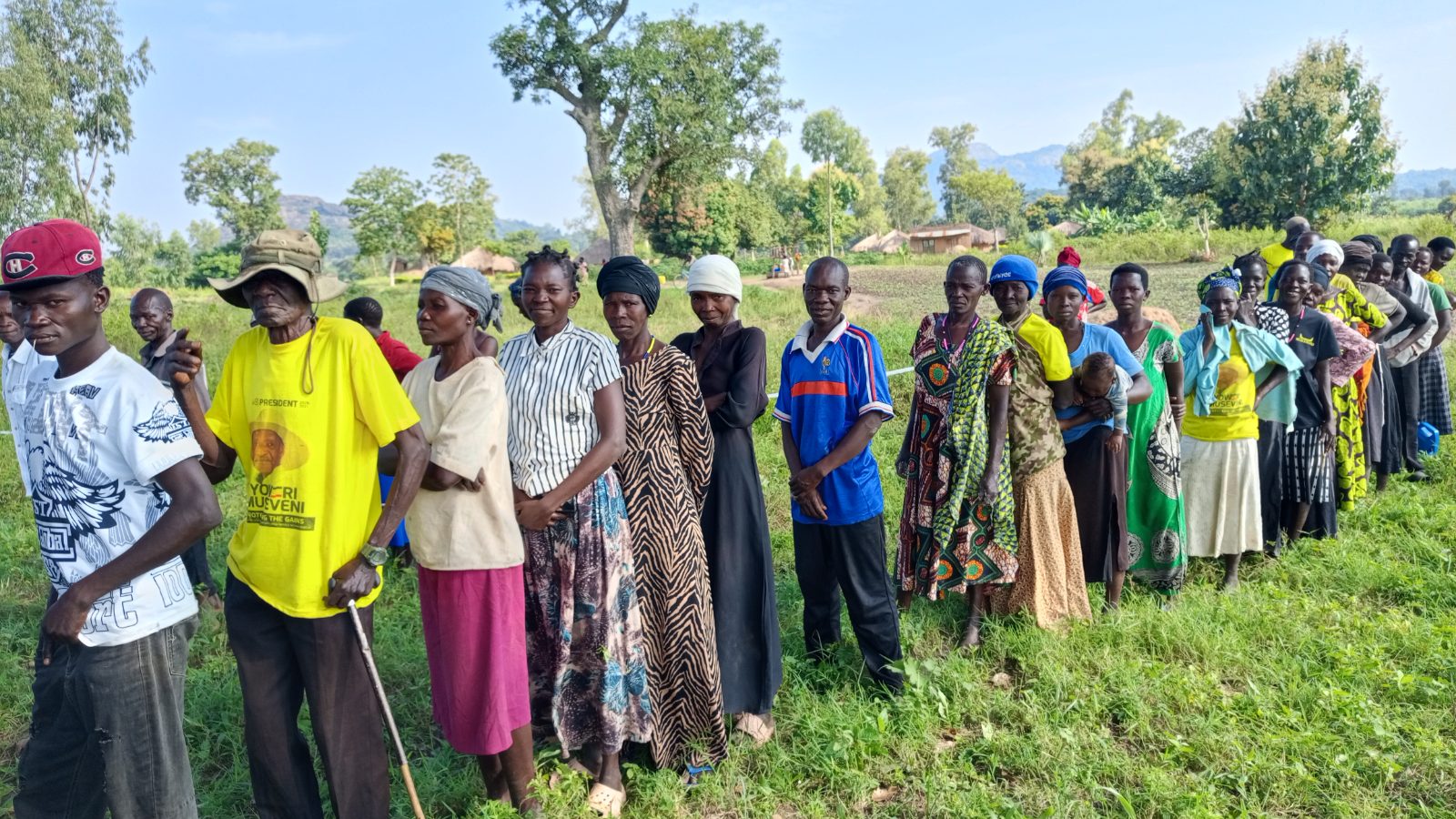
Women Vote, Men Lead: A Glimpse into Uganda’s LC1 Elections from Olua Village