The Last Giant: Gen. Moses Ali and the End of a Political Era
The final journey of Gen. Moses Ali to Adjumani was more than a state burial. It was the symbolic closing of one of the most remarkable chapters in Uganda's political history.
Founder & Chief Editor · 22 July 2026 · 5 min read
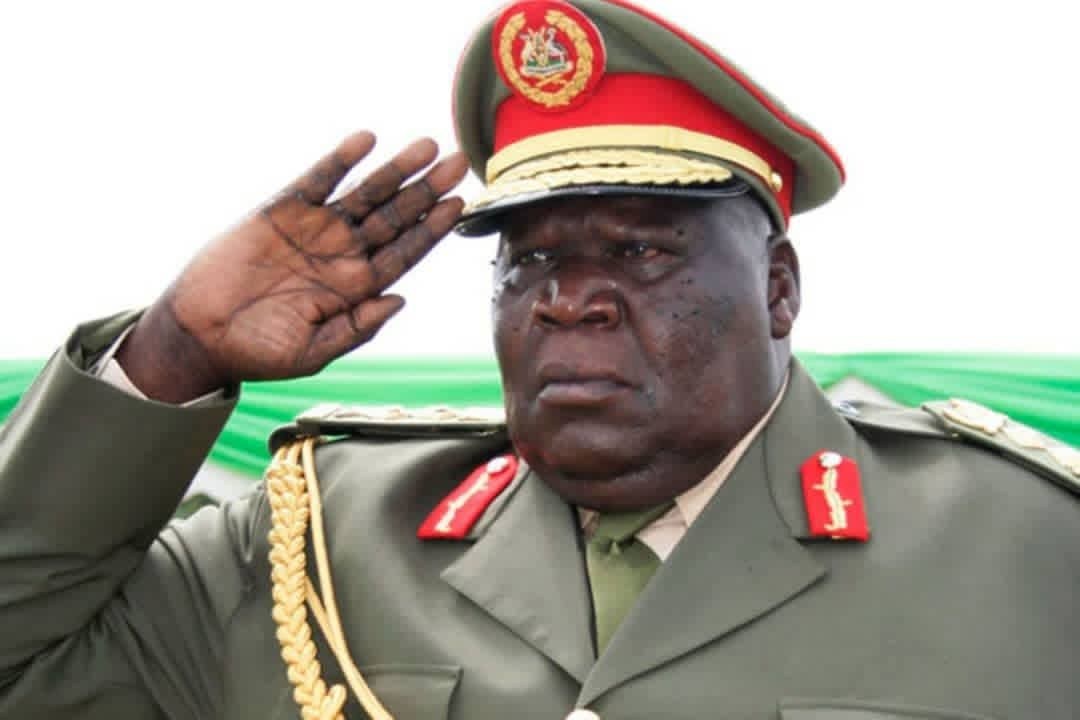
The final journey of Gen. Moses Ali to his ancestral home in Adjumani on Wednesday, July 22, 2026, was more than a state burial. It was the symbolic closing of one of the most remarkable chapters in Uganda's political history, a chapter shaped by war, peace, division and reconciliation, power and perseverance.
As thousands of mourners gathered to bid him farewell, Uganda was not only burying a decorated soldier, veteran politician and statesman. It was saying goodbye to one of the last surviving figures of a generation that witnessed colonial rule, celebrated independence, endured military coups, fought rebellions and participated in rebuilding the nation.
A political path like no other
Few Ugandan leaders travelled a political path as extraordinary as that of Gen. Moses Ali.
His career reflected Uganda's own turbulent history. He served in the Uganda Army and rose to become Minister of Finance under President Idi Amin. Following the fall of Amin's government in 1979, he went into exile before returning to lead the Uganda National Rescue Front (UNRF), a rebel movement that operated in the West Nile region during one of the country's most difficult periods.
His political journey was also marked by personal trials. In 1990, Gen. Moses Ali was arrested, charged with treason, terrorism and illegal possession of firearms, and remanded to Luzira Prison. For many politicians, such an episode would have marked the end of public life. For Gen. Moses Ali, it became another chapter in a story of resilience. He was later acquitted, returned to public service and rebuilt one of the longest and most enduring political careers in Uganda's history.
From rebellion to reconciliation
Perhaps the defining moment of his life came not on the battlefield but at the negotiating table.
Unlike many rebel commanders whose stories ended in conflict, Gen. Moses Ali embraced dialogue and reconciliation. The peace agreement between the government and the UNRF transformed not only his own political future but also helped restore stability to the West Nile region. His return to government became a powerful demonstration that former enemies could choose peace over conflict and nation-building over revenge.
That decision shaped the rest of his public life.
Under President Yoweri Museveni's administration, Gen. Moses Ali served in several ministerial portfolios and became one of Uganda's longest-serving Cabinet ministers. His political longevity earned him respect across party lines and established him as one of the country's most experienced public servants.
West Nile in Focus
While Uganda knew him as a national leader, the people of West Nile regarded him as one of their greatest political icons.
For decades, he championed the region's development, advocating for improved roads, schools, health facilities and increased government investment. He remained a consistent voice for West Nile within the national leadership and worked to ensure the region, once isolated by conflict, became part of Uganda's broader development agenda.
To many communities in West Nile, Gen. Moses Ali represented resilience, reconciliation and hope. His influence helped transform a region once associated with conflict into one increasingly defined by peace, recovery and development.
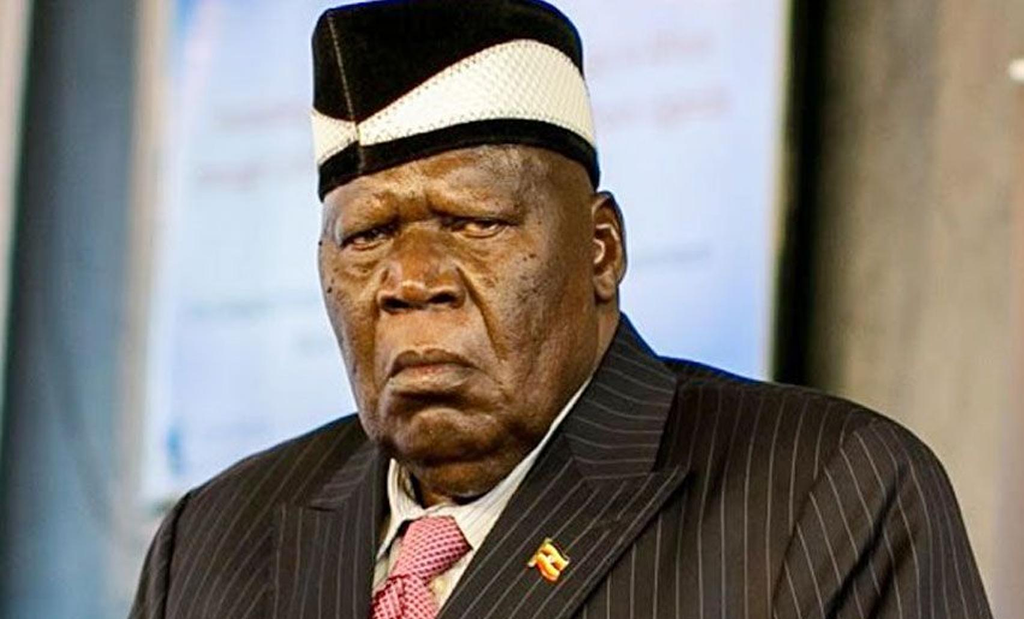 (Gen Moses Ali)
Uganda in Focus
What made Gen. Moses Ali unique was not simply the number of years he served in public office, but his extraordinary ability to survive political storms that ended the careers of many of his contemporaries.
He experienced government, rebellion, exile, imprisonment, acquittal, reconciliation and national leadership all within a single lifetime.
His political journey demonstrated an uncommon capacity to adapt to changing times while maintaining relevance across generations.
As Uganda bids farewell to one of its longest-serving public servants, the country is also witnessing the gradual departure of a generation that personally shaped its political evolution. Their experiences, from independence through conflict to reconstruction, form part of the foundation upon which today's Uganda stands.
Africa in Focus
Beyond Uganda's borders, Gen. Moses Ali's life reflects a story shared by many African nations.
His journey mirrors the experiences of leaders across the continent who navigated the transition from colonial rule to independence, endured political instability, experienced armed conflict and later embraced reconciliation and national rebuilding.
Africa's post-independence history has been defined by leaders who faced immense challenges in building institutions, restoring peace and promoting national unity after years of turmoil. Gen. Moses Ali belonged to that generation.
His legacy therefore extends beyond Uganda. It offers lessons to African leaders on the importance of resilience, dialogue, reconciliation and the ability to place national interest above political differences.
As a continent with one of the world's youngest populations, Africa now stands at a crossroads. The generation that fought political battles is gradually giving way to one expected to confront different challenges — economic transformation, youth unemployment, technological innovation, climate change and regional integration under the African Continental Free Trade Area (AfCFTA).
The passing of Gen. Moses Ali reminds Africa that while history cannot be rewritten, its lessons must never be forgotten.
A legacy beyond politics
Like many leaders who served during turbulent periods, Gen. Moses Ali leaves behind a complex legacy. Admirers remember his patriotism, courage and commitment to national unity, while historians will continue to examine the difficult decisions made throughout his political career.
Yet there is little doubt that he was one of Uganda's most resilient political figures.
From Cabinet minister to exile, from rebel commander to Luzira Prison, from political defendant to one of the country's longest-serving ministers, his life mirrored Uganda's own difficult journey through conflict, forgiveness and nation-building.
His greatest legacy may not lie in the offices he held, but in proving that reconciliation is possible and that public service can continue even after profound political setbacks.
As Uganda buries Gen. Moses Ali, it also bids farewell to one of the defining figures of its liberation generation.
For West Nile, he was a son of the soil. For Uganda, he was a statesman who served through decades of political change. For Africa, he represents a generation whose lives were inseparable from the continent's struggle for stability, reconciliation and development.
History will remember Gen. Moses Ali not only as a soldier or politician, but as a leader whose remarkable journey reflected the story of West Nile, Uganda and Africa itself.
Founder & Chief Editor
Founder and Chief Editor of Osmara Digital Media. Journalist and historian telling Africa's stories through an African lens, from West Nile to the continent.
Related stories
Koboko Woman MP Aate Sharifah Taban Explores Development Partnerships to Boost Agriculture and Local Trade
Day Two: Cocoa Farmers Turn Students Again as Jabara Training Moves From Classroom to Field
Lugbara Kari Mourns King Oyo, Hails Tooro Monarch as a Leader Beyond His Kingdom