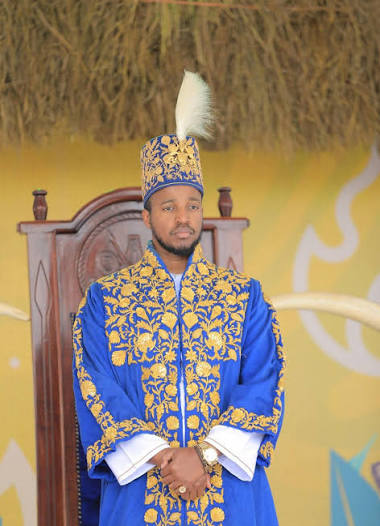
Lugbara Kari Mourns King Oyo, Hails Tooro Monarch as a Leader Beyond His Kingdom
Lugbara Cultural Institution mourns King Oyo, recalling his historic connection with West Nile and describing him as a leader whose influence transcended the borders of Tooro.
Founder & Chief Editor · 29 August 2026 · 3 min read
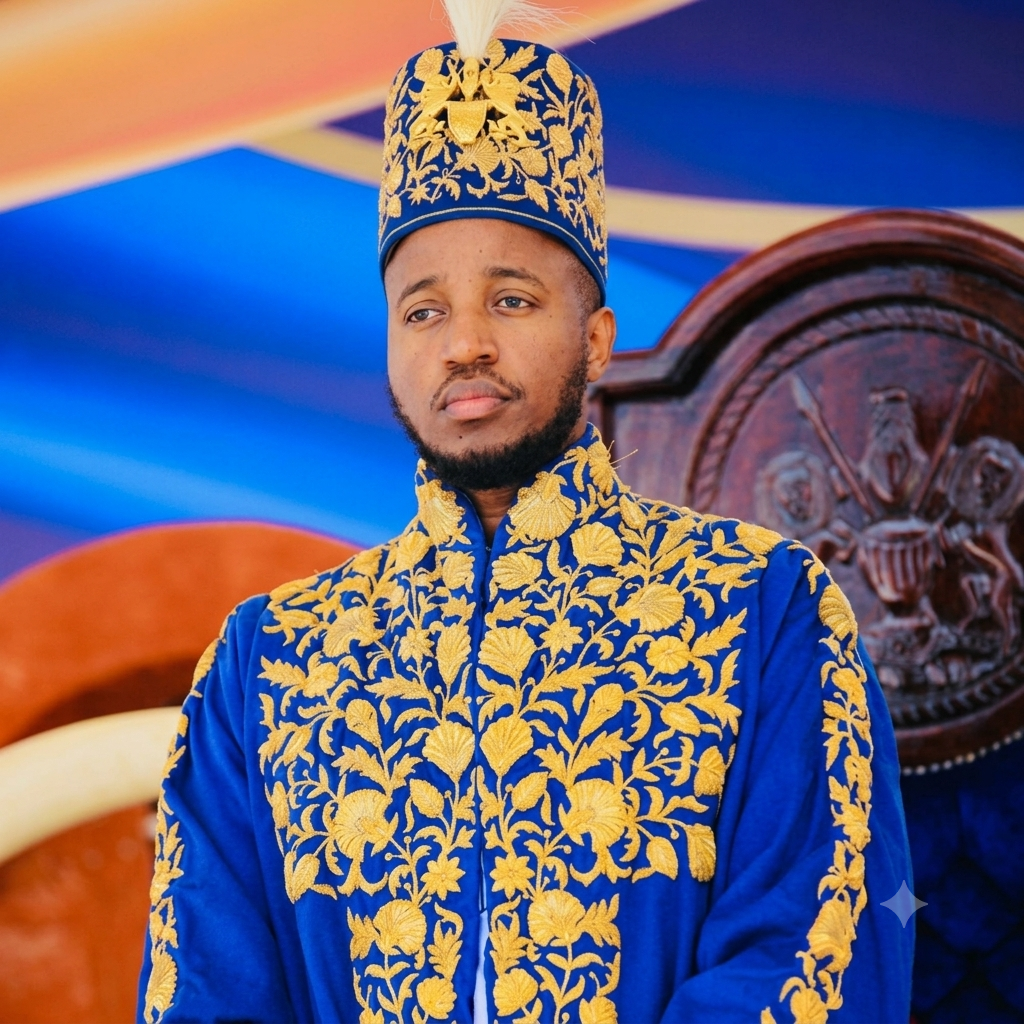
ARUA CITY- UGANDA — August 29, 2026 The Lugbara Cultural Institution, Lugbara Kari, has joined the people of the Kingdom of Tooro and Ugandans across the country in mourning the death of His Majesty King Oyo Nyimba Kabamba Iguru Rukidi IV, describing his passing as a profound loss to the cultural heritage and unity of Uganda.
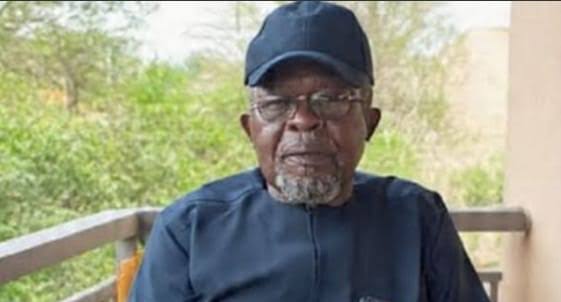
Speaking to Osmara Digital Media on behalf of the Lugbara Cultural Institution, Professor Willy Ngaka, Deputy Prime Minister and Minister for International Relations and Diaspora Affairs, conveyed a message of deep sorrow and solidarity to the Tooro royal family, the kingdom and the people of Uganda.
“We have learned with deep sorrow of the demise of our beloved King of the people of Tooro,” Professor Willinggard said, expressing the grief of the Lugbara community at the passing of the young monarch.
He said King Oyo was remembered not only as a cherished leader of Tooro, but also as a cultural figure whose influence and presence reached beyond the boundaries of his kingdom. “We, the people of Lugbara, under the Lugbara Cultural Institution (Lugbara Kari), are deeply saddened by this immense loss. He was a leader for all of us,” he said.
The Lugbara cultural leadership recalled with particular warmth the King’s visit to the West Nile region, where he was received with honour and affection by the community. Prof. Ngaka said the visit created a lasting bond between the Tooro Kingdom and the people of West Nile.
“We fondly remember his visit to the West Nile region, where we had the honour of hosting him. During his time with us, he officiated at our sports gala and engaged our community on vital issues of regional and national development,” he said.
Ngaka said that memory has become part of the legacy of a monarch who used his cultural position to connect communities, encourage young people and participate in conversations about Uganda’s development.
Prof. Ngaka said the grief being felt in Tooro was shared by communities far beyond the kingdom, describing King Oyo’s death as a moment that calls for unity, compassion and prayer.
“Just like the people of Tooro who are heartbroken by his passing, we pray that the Almighty God grants strength and comfort to the Kingdom of Tooro, the bereaved royal family, and the nation of Uganda at large,” he said.
The condolence message also reflected the cultural institutions’ long-standing role in preserving Uganda’s diverse heritage while strengthening bonds among the country’s traditional communities. The Lugbara Cultural Institution said the death of a cultural leader of King Oyo’s stature should be received with dignity, respect and a recognition of the bonds that unite Uganda’s kingdoms and communities.
“On behalf of the Lugbara Cultural Institution, we extend our heartfelt condolences. May his soul rest in eternal peace,” Prof. Ngaka said.
As Tooro prepares to bid farewell to its revered monarch, messages of condolence continue to emerge from cultural institutions, communities and leaders across Uganda, reflecting the profound place King Oyo occupied in the hearts of many people who regarded him not merely as a king of Tooro, but as a symbol of Uganda’s rich cultural heritage and youthful leadership.
Prof. Ngaka said, his memory will remain intertwined with the warmth of his welcome in West Nile and the cultural bridge he helped strengthen between Tooro and communities beyond its traditional borders.
Founder & Chief Editor
Founder and Chief Editor of Osmara Digital Media. Journalist and historian telling Africa's stories through an African lens, from West Nile to the continent.
Related stories
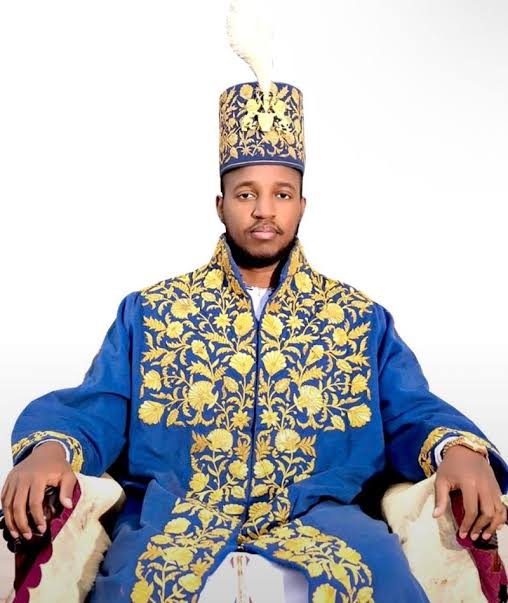
UJU Mourns King Oyo: ‘His Death Is a Wake-Up Call in Uganda’s Fight Against Cancer’
Yumbe’s Cultural Heritage: Traditions That Still Define the People
Koboko Mourns a Pioneer: The Political Legacy of George Ambe from Arua District to Koboko