King Oyo, Our Son: How His Death Has Shaken His Mother’s People in Batuku
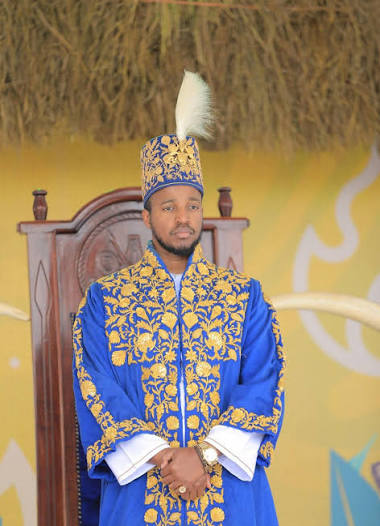
Grief and pride have gripped Batuku in Ntoroko as residents mourn King Oyo, remembering the late Tooro monarch as not only a king but also a son whose maternal roots connected him to their community.
Founder & Chief Editor · 28 August 2026 · 6 min read
By Osmara Digital Media
NTOROKO, UGANDA — AUGUST 28, 2026 — “When a young tree falls, those who watched it grow feel the pain most deeply.” This proverb captures the grief now being felt among the Batuku people following the death of King Oyo, a young monarch whose life was followed with particular pride by a community connected to him through his mother. His death has brought a profound sense of loss to people who regarded him not merely as the Omukama of Tooro, but as a son whose family roots tied him to their own community.
The news has unsettled the ordinary rhythm of life in Batuku, with residents reflecting on the young king's childhood, his remarkable rise to the throne and the responsibilities he carried throughout his life. For the community, his death represents more than the passing of a prominent cultural leader; it is the loss of a person whose maternal connection gave residents a deeply personal reason to identify with his journey. They watched with pride as a child connected to their community grew into a recognised cultural figure, and they are now coming to terms with the painful reality that his life has ended at an age when many believed he still had much more to offer.
At just 34, Oyo was still young, making his death particularly difficult for those who followed his life from childhood. In African communities, the death of a young person often carries a special sense of unfinished promise because the future is expected to hold many more years of family, leadership and contribution. For Batuku, that sense of an interrupted journey has intensified the grief, as residents reflect on what the young king might have accomplished had he been given more time.
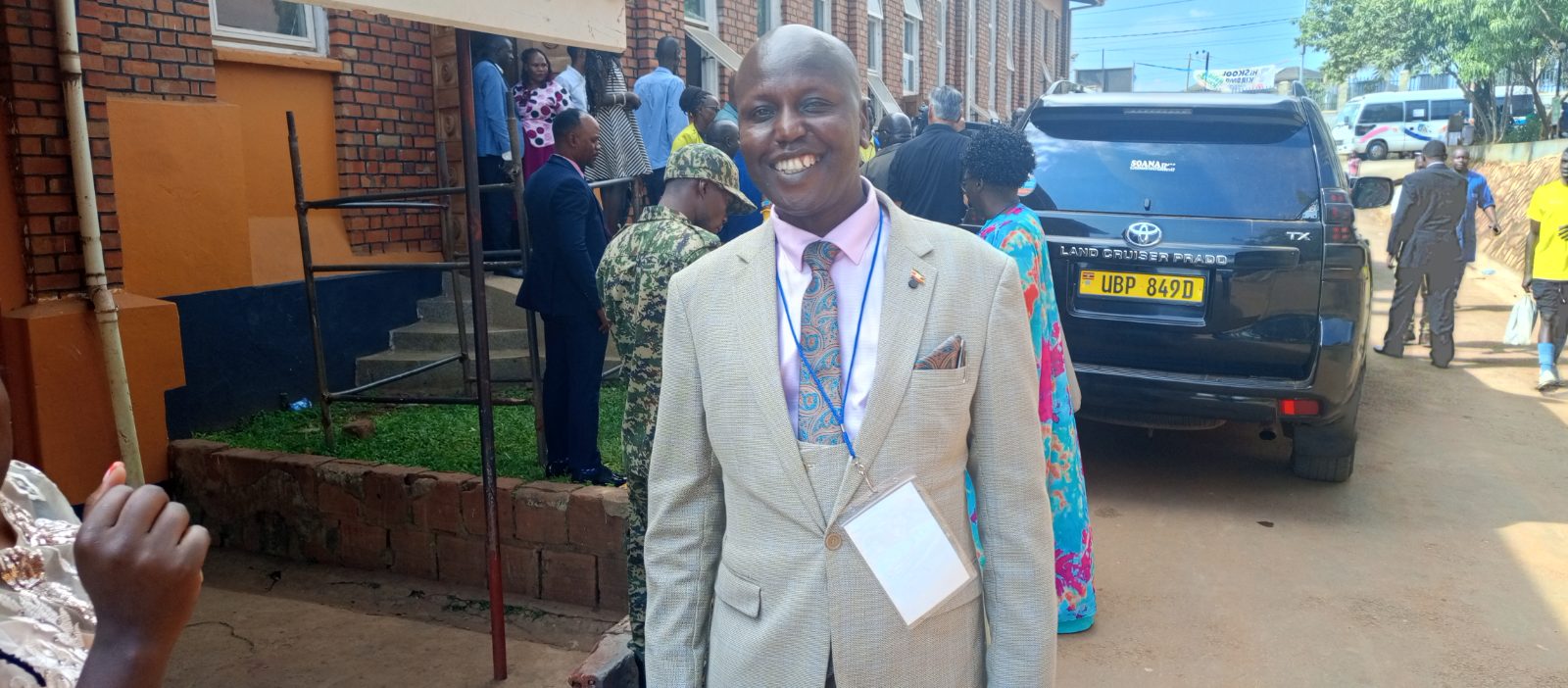
Kemirembe Joy, speaking to Osmara Digital Media, said the king's young age, combined with his maternal connection to the community, had made the news particularly difficult to accept. “You know, the mother of the king comes from our tribe, and imagine dying at such a young age, 34 years. It is shocking to us,” Kemirembe said, expressing the disbelief shared by many residents who are struggling to reconcile the image of a young and influential king with the reality of his death.
For Batuku, the maternal connection has always given Oyo's story an additional meaning. Although his public responsibilities were centred on the Tooro Kingdom, his mother's roots provided a continuing link to the community and gave residents a reason to follow his life with a sense of personal interest. His royal title made him known throughout Uganda, but his family background made him feel closer to the people who regarded his maternal home as part of their own social and cultural heritage.
The community's grief is therefore rooted in both family identity and pride. Residents are mourning a king whose name became associated with one of Uganda's most important traditional institutions, but they are also mourning someone whose maternal roots connected him to their own people. His achievements were followed with satisfaction because his rise to prominence could be seen as a reflection of the potential and dignity of a family connected to Batuku.
Oyo's journey was extraordinary from childhood. He became king at a very young age, assuming responsibilities that most people encounter only after decades of preparation and experience. His development from a child monarch into adulthood was followed by Ugandans across the country, who watched as he gradually grew into the demands of cultural leadership. For Batuku, that journey carried an added sense of belonging because the young king they saw developing before the nation was also connected to their community through his mother.
As he matured, Oyo moved beyond the image of the child king and became a recognised cultural figure in his own right. His position placed him within a long tradition of Tooro leadership, while his public life gave him visibility far beyond the kingdom. His story became part of Uganda's broader cultural narrative, and for his mother's people, his achievements became a source of particular pride because they could claim a family connection to the young monarch. The loss has now brought those memories into sharp focus. Residents are remembering the child who grew up under the weight of the crown, the young man who carried the expectations of a kingdom and the cultural figure whose life became known far beyond his immediate family. The mourning is therefore not simply a response to death; it is also a process of remembering a journey that began with childhood and ended far earlier than many expected.
The significance of Oyo's maternal roots is particularly visible during this period of mourning because family identity remains deeply important in many African communities. A person's connection to their mother's family can remain meaningful throughout life, regardless of status, distance or public responsibility. For Oyo, becoming a king did not erase the family connections through which his identity was also understood, and that enduring relationship has now become one of the central reasons Batuku feels the loss so personally. There is also a strong sense of pride within the grief. Batuku residents can look back on Oyo's life knowing that someone connected to their community rose to occupy a position of immense cultural significance. His journey from childhood to the throne gave the community a story of achievement to celebrate, and his national recognition ensured that his name became part of Uganda's wider cultural history. His death is painful, but the community's mourning is accompanied by gratitude for the life he lived and the place he came to occupy.
For Kemirembe Joy and others in Batuku, the most powerful expression of their relationship with the late king remains the simple recognition that he was connected to them through his mother. “The mother of the king comes from our tribe,” she said, emphasising a family bond that has given the community a distinctive place in the story of his life and death. Her words reflect a broader sentiment among residents who believe that the crown may have defined his public responsibilities, but it never erased the roots that connected him to his mother's people.
As Batuku mourns alongside the wider Tooro community and Uganda, residents are left with memories of a young king whose life carried an extraordinary combination of tradition, responsibility and family heritage. They are grieving the loss of someone who represented an important cultural institution, while at the same time celebrating the journey of a young man whose achievements brought pride to the people connected to his family.
King Oyo's death has therefore become a deeply emotional moment for Batuku, not only because a young cultural leader has passed on, but because the community feels it has lost someone who belonged to them own. His crown made him the Omukama of Tooro, his public role made him a national cultural figure, but his maternal roots gave him another identity that his mother's people will continue to hold close. In Batuku, he will be remembered not only for the throne he occupied, but for the family connection that made his life feel like part of their own — King Oyo, their son.
Founder & Chief Editor
Founder and Chief Editor of Osmara Digital Media. Journalist and historian telling Africa's stories through an African lens, from West Nile to the continent.