The Poor Profession That Keeps Society Informed
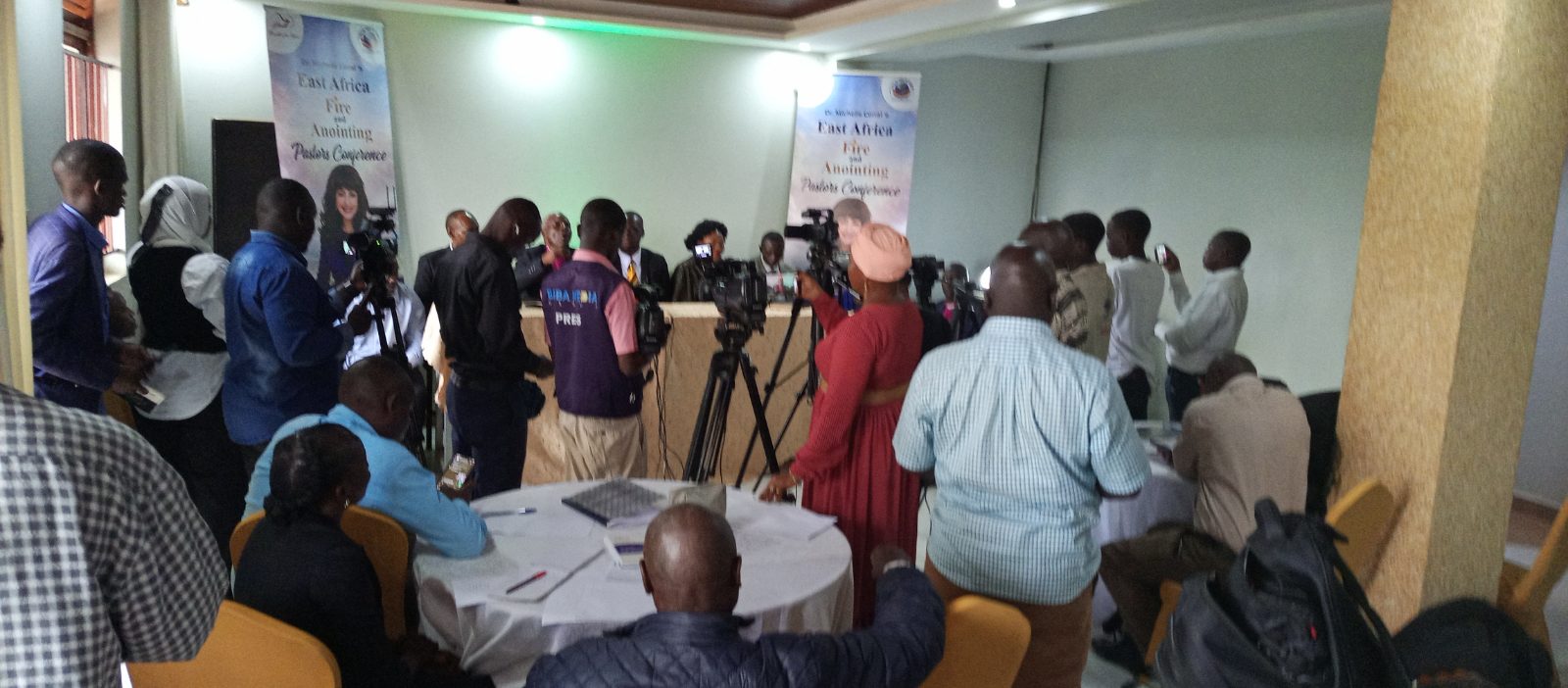
A press conference brings together journalists from across the media industry, reflecting the profession’s vital role in informing the public and holding power to account.
Founder & Chief Editor · 21 August 2026 · 9 min read
Why journalism remains essential despite poor pay, political pressure and the rise of unverified social media information
By Osmara Digital Media When you walk into a press conference and find television reporters, radio journalists, newspaper writers, photographers, camera operators and independent digital media practitioners such as Osmara Digital Media working side by side, a deeper question should come to mind: what does it really take to bring the information in that room to the public?
Behind every microphone, camera and notebook is a professional who has invested time, money, training and effort to gather information, ask questions, verify facts and tell stories that shape public understanding.
The public often sees only the finished product—a headline, a two-minute report, a photograph or a social media post. What it rarely sees is the journey behind that product: transport costs, internet bundles, equipment, research, interviews, editing, follow-ups and the pressure to get the facts right. That is the paradox of journalism. It is indispensable to society, yet those who practise it are often among the most poorly rewarded, misunderstood and undermined professionals.
Journalism Is More Than a Smartphone
The digital revolution has democratised access to information, but it has also blurred the important distinction between publishing content and practising journalism. Today, almost anyone with a smartphone can attend an event, record a video, post information on Facebook or TikTok and reach thousands of people within minutes. Some may then describe themselves as journalists.
But owning a smartphone does not make someone a journalist.
Being a content creator, blogger, influencer or social media user is legitimate in its own right. The problem arises when rumours, accusations, manipulated material or personal opinions are presented to the public as verified news.
Journalism requires more than speed. It requires verification, accuracy, fairness, context, independence, ethical judgment and accountability. Before publishing an allegation, a responsible journalist should ask: Who is making the claim? What evidence supports it? What does the other side say? Can the information be independently verified? What harm could publication cause? Those questions separate responsible journalism from simply forwarding information.
In an age where false information can travel faster than the truth, professional journalism matters more—not less.
Politicians Become Journalists' Friends During Election Campaigns
One of the most striking realities journalists face is how politicians can suddenly become very close to the media when election campaigns begin. During campaigns, journalists are invited to rallies, press conferences, community meetings, party events and interviews. Politicians and their campaign teams actively seek media coverage because they understand the power of journalism to take their messages to thousands or even millions of voters. At such moments, journalists are welcomed, called frequently and treated as important partners.
But once the campaign is over, that relationship can change.
The same politician who once made every effort to reach journalists may become difficult to access. Phone calls may go unanswered, interview requests may be ignored, and questions about campaign promises, public expenditure and service delivery may suddenly be viewed as hostile or politically motivated. This raises a fundamental question: Are journalists friends only when politicians need publicity? Journalists are not campaign publicity officers. Their responsibility extends beyond broadcasting political speeches or promoting candidates. Their duty is to inform citizens, scrutinise public statements and ask questions on behalf of the people.
During campaigns, politicians need journalists to reach voters. After elections, citizens need journalists to hold those politicians accountable.
A politician may want the media to report achievements, but responsible journalism must also ask: Were the promises fulfilled? Where is the evidence? How much public money was spent? Who benefited? What remains to be done? These are not attacks on politicians. They are legitimate questions in a democratic society.
The relationship between politicians and journalists should therefore be based on professional respect, access and public interest—not political convenience.
Politicians may become journalists' friends during election campaigns, but journalism must remain a friend of the public interest every day.
Journalism and the Exposure of Corruption
The argument that journalism does not matter becomes difficult to sustain when history is examined. Uganda's Temangalo land controversy is one example. In 2008, media reporting brought intense public attention to the National Social Security Fund's purchase of land in Temangalo, Wakiso District. The transaction involved businessman Amos Nzeyi and then Security Minister Amama Mbabazi and raised questions about the purchase process, valuation and possible conflicts of interest. The controversy subsequently became the subject of parliamentary scrutiny and investigations.
The significance of Temangalo goes beyond the land transaction itself. It demonstrates how journalism can take a complicated public-interest issue and bring it into the national conversation, allowing citizens, Parliament and oversight institutions to ask difficult questions.
In Uganda, reporting and public scrutiny surrounding the Global Fund scandal also helped bring allegations concerning the misuse of funds into the national spotlight and contributed to wider investigations.
In Kenya, sustained media attention helped keep the Goldenberg scandal in the public conversation, particularly around controversial payments linked to the gold-export compensation scheme.
In South Africa, investigative journalism played an important role in exposing the State Capture scandal, with journalists investigating relationships involving the Gupta family, political figures and state-owned enterprises.
Globally, the Panama Papers demonstrated the extraordinary power of collaborative investigative journalism. Journalists across countries analysed millions of leaked documents, revealing offshore financial arrangements involving influential individuals. These examples demonstrate something fundamental:
Journalism can be an important line of defence for public accountability.
A journalist who asks, “Where did the money go?” may simply be asking the question that thousands of citizens want answered.
Journalists do not prosecute corruption, and they should not replace courts, Parliament or investigative agencies. Their responsibility is to gather information, verify it, question those in power and bring matters of public interest to citizens.
Sometimes, that first published report becomes the beginning of a much larger investigation. Minister Balaam and the Accountability Conversation Uganda's current accountability discussions also demonstrate the relationship between public institutions, political leadership and journalism.
Minister Balaam Barugahara Ateenyi has undertaken inspections and anti-corruption activities focusing on alleged misuse of public resources and poor service delivery.
Such activities generate information that journalists can independently investigate, verify and bring to the public.
Reports concerning a public toilet project in Bulambuli that was allegedly constructed without an actual pit, for example, raised questions about public expenditure and service delivery.
The broader lesson goes beyond one minister or one project. Government has a responsibility to investigate and act, while journalism has a responsibility to question, document and inform. A healthy democracy needs both institutional accountability and an independent media capable of examining whether institutions are actually doing their jobs.
The Hidden Cost of Independent Journalism
The public also needs to understand the economics behind journalism. Large media organisations may have established newsrooms, vehicles, cameras and advertising departments. But many independent journalists and emerging digital media platforms do not have such resources.
Osmara Digital Media is one example of an independent media initiative working to produce journalism while meeting its own operational costs. Independent media practitioners can personally shoulder the costs of transport, internet, equipment, field reporting, editing and publishing. A journalist can spend an entire day covering a story without knowing whether it will generate any income. Yet that story may expose a community problem, challenge an official explanation or give visibility to people who would otherwise remain unheard.
The public sees the published story. It rarely sees the sacrifice behind it. This is why describing journalism as a "poor profession" should not become an excuse to disrespect journalists. Instead, it should force society to ask why a profession so important to democracy is often so poorly supported.
Why Do People Undermine Journalists? Part of the problem comes from misinformation about what journalism actually involves.
Part comes from the economic difficulties facing media workers. Part comes from political and commercial pressure.
And part comes from journalists themselves when some fail to uphold professional standards.
The profession must be honest about this. Not every person carrying a camera is a journalist. Not every Facebook page is a newsroom. Not every TikTok video is news. And not every person with thousands of followers has the training or ethical responsibility expected of a journalist.
At the same time, not every journalist is automatically credible simply because they work for a recognised media organisation.
Professionalism must be demonstrated through conduct.
Journalists must verify information, correct mistakes, give subjects a fair opportunity to respond and avoid deliberately causing harm.
Defending journalism does not mean defending bad journalism. It means defending the principle that society needs trained, ethical and accountable professionals whose responsibility is to seek the truth and inform the public.
People Remember Journalists When They Need Them
There is perhaps no greater irony than this. People often undervalue journalists until they need one. When a family is seeking justice, when a community's road has collapsed, when a hospital lacks medicine, when public money is allegedly misused or when an ordinary citizen wants an injustice heard, journalists are often among the first people contacted. Suddenly, the journalist becomes important. But after the story is published, the journalist returns to the same financial and professional struggles. The same contradiction exists in politics. Politicians need journalists during campaigns. Citizens need journalists after campaigns. Politicians need journalists to communicate their achievements. Citizens need journalists to ask whether those achievements actually happened. Politicians may want favourable coverage. Citizens need independent scrutiny.
That distinction is crucial. Journalism Must Be Respected—But Also Held Accountable Journalists should not demand respect simply because they call themselves journalists. Respect must be earned through credible work.
But society should also stop treating journalism as something that should be done for free. A reporter has bills to pay. A camera operator needs equipment. An editor needs technology. An independent digital platform needs internet, hosting, transport and staff.
The fact that journalism serves the public does not mean journalists should be expected to sacrifice indefinitely without support.
For organisations such as Osmara Digital Media and many other emerging African media platforms, every published story represents an investment.
It represents someone who travelled. Someone who made phone calls. Someone who asked questions. Someone who verified information. Someone who edited the material. Someone who chose to publish despite the possibility of criticism. That work has value.
The Bigger Question
So, the next time you walk into a press conference and see a room filled with journalists, do not simply see cameras, microphones and notebooks. See the profession behind them. See the people documenting today's history. See the people questioning power. See the people giving ordinary citizens a voice. See the people who sometimes work with their own limited resources simply because they believe a story deserves to be told. And when a politician calls a journalist during a campaign, remember: the journalist's value does not begin when votes are needed and should not disappear when the election is over.
When a social media user publishes an allegation without verification, remember: virality is not evidence, followers are not credentials, and a smartphone is not a journalism qualification.
Journalism is not simply about being first. It is about being right, fair, responsible and accountable. It is not a political campaign tool. It is not merely social media posting.
It is a public service. And when society undermines responsible journalism, it does more than hurt journalists.
It weakens one of the most important mechanisms through which citizens can know what is happening, question those in power and demand accountability.
The profession may be poorly rewarded, but its contribution is priceless. Journalists may struggle to make a living, but society would struggle to remain informed without them.
Founder & Chief Editor
Founder and Chief Editor of Osmara Digital Media. Journalist and historian telling Africa's stories through an African lens, from West Nile to the continent.
Related stories
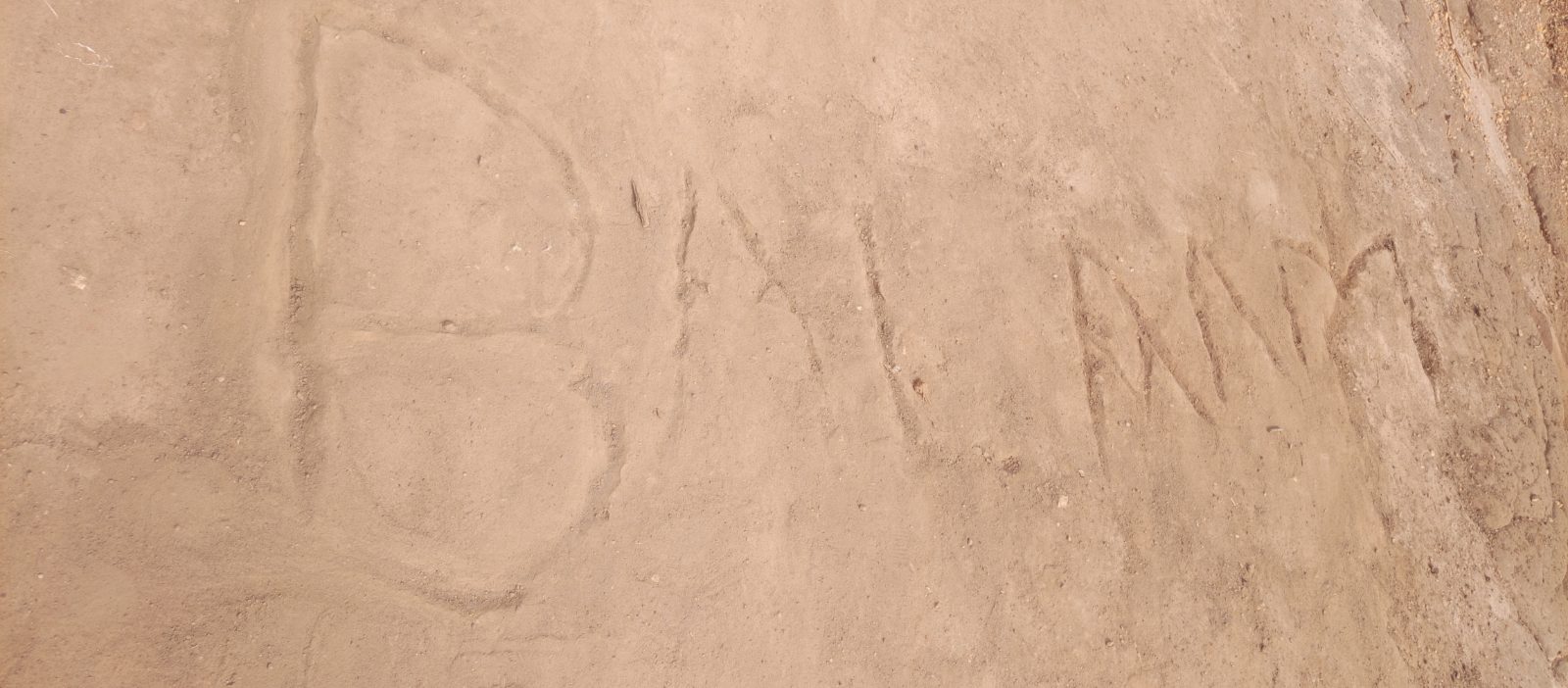
Balaam’s Name All Over the Sand: The Powerful Message Children Are Sending to Corrupt Leaders
FROM THE NEWSROOM TO THE THRONE: UGANDA JOURNALISTS UNION CONGRATULATES HIS MAJESTY OMUKAMA EDWARD RUKIDI NYABONGO I
Dr. Gad Rugaju Calls for Reflection and Renewed Discipline as 2026 Nears Its Close