
The End of an Era: What Gen. Moses Ali's Death Means for West Nile, Uganda and Africa
Gen. Moses Ali's death ends a historic political era, leaving a legacy of leadership and service in Uganda.
Founder & Chief Editor · 28 July 2026 · 4 min read
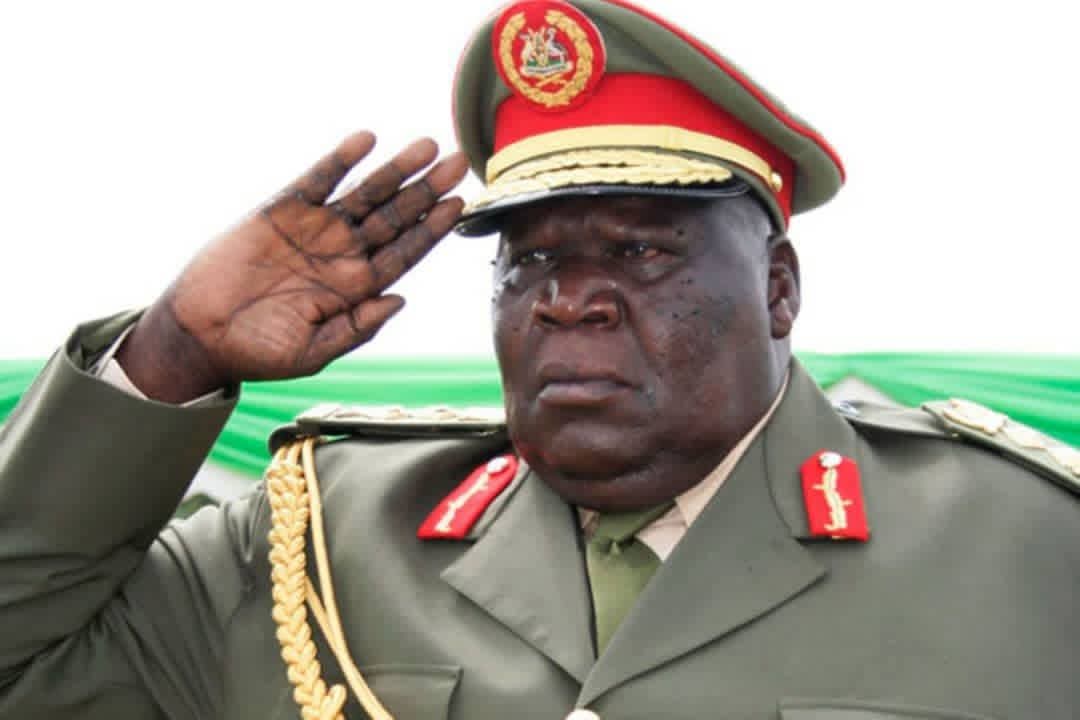
By Osmara Digital Media – Africa in Focus "When an elder dies, a library burns to the ground." The African proverb carries special meaning following the death of Gen. Moses Ali, one of Uganda's longest-serving military and political leaders. His death at the age of 87 closes a remarkable chapter in Uganda's history and leaves behind questions about leadership, succession and the future of a region he represented for decades. Gen. Moses Ali belonged to a generation that witnessed colonial rule, celebrated Uganda's independence in 1962, experienced military governments, civil wars, exile, reconciliation and national reconstruction. Few African politicians served through so many historical transitions while remaining active in public life. His passing is therefore more than the death of a politician. It represents the gradual departure of a generation whose experiences shaped modern Uganda and whose influence extended beyond national borders.
Adjumani: Losing Its Most Distinguished Son For Adjumani District, Gen. Moses Ali's death is a profound loss. For decades he was the district's most recognised national figure, representing its people in Parliament and government while bringing national attention to the district. His burial in his ancestral home transforms Adjumani into a place of national remembrance. Future generations will inevitably measure new leaders against the legacy he leaves behind. His death also creates political space for emerging leaders to redefine the district's future while preserving its historical identity.
West Nile: The End of a Political Giant No region feels this loss more deeply than West Nile. For many years, Gen. Moses Ali was among the strongest political voices advocating for the region in Kampala. He witnessed West Nile during conflict, displacement and reconstruction before seeing it become an important centre for agriculture, refugee hosting and cross-border trade. His death leaves a leadership vacuum that cannot be filled immediately. It raises difficult questions about who will unite the region, advocate for development priorities and command similar national influence. West Nile now enters a new political era where leadership will increasingly shift to a younger generation that did not directly experience the conflicts that shaped the region's past.
Uganda: Remembering One of the Last Veterans of a Historic Generation Nationally, Uganda has lost one of its longest-serving public servants. Tributes have described Gen. Moses Ali as a freedom fighter, peacemaker and development champion whose career spanned military service, Parliament and Cabinet. His death will likely deepen conversations about preserving institutional memory. Leaders who lived through Uganda's most turbulent decades possessed experiences that cannot be learned from books alone. At the same time, his passing strengthens the ongoing debate about political renewal and the transition to a new generation of national leaders.
East Africa: A Reminder of Shared Regional History. Because of West Nile's strategic location bordering South Sudan and close to the Democratic Republic of the Congo, Gen. Moses Ali's influence extended beyond Uganda. His passing reminds East Africa of the importance of experienced leaders who understood regional security, refugee movements, cross-border cooperation and diplomacy. Countries throughout the region continue facing similar challenges that require both historical understanding and modern solutions.
Africa: A Continent Witnessing Generational Transition Across Africa, the passing of veteran statesmen marks the gradual end of the generation that shaped politics during the decades following independence. Many of today's younger Africans were born long after independence and after many of the conflicts that defined earlier generations. They inherit a continent facing different priorities: digital transformation, industrialisation, climate change, youth employment and continental integration. Gen. Moses Ali's death therefore symbolises a broader African transition—from leaders whose legitimacy came from historical struggles to leaders whose legitimacy will increasingly depend on governance, innovation and economic transformation. The Legacy He Leaves Behind History will judge Gen. Moses Ali through different perspectives. Supporters remember him as a resilient public servant who devoted decades to Uganda and championed West Nile's development. Others will continue debating aspects of Uganda's complex political history in which he played a role. Regardless of differing opinions, few dispute that he remained one of Uganda's most enduring political figures. His life demonstrates the resilience of a leader who survived changing political seasons while continuing to influence national affairs over several decades. As Africa moves forward, the greatest tribute to leaders such as Gen. Moses Ali will not simply be monuments or state funerals. It will be building stronger institutions, preparing ethical young leaders and ensuring that the lessons of the past guide the continent's future. For Adjumani, West Nile, Uganda and Africa, Gen. Moses Ali's death closes an important historical chapter. Whether remembered as a soldier, politician, elder statesman or regional advocate, his name will remain part of the story of Uganda's post-independence journey for generations to come.
Founder & Chief Editor
Founder and Chief Editor of Osmara Digital Media. Journalist and historian telling Africa's stories through an African lens, from West Nile to the continent.
Related stories
BUSOGA KINGDOM URGES PR PROFESSIONALS TO PUT PUBLIC TRUST BEFORE PUBLICITY
KYABAZINGA MOBILISES BUSOGA LEADERS TO TACKLE TEENAGE PREGNANCY AND POVERTY
Kenya President Ruto Announces Plan to Scrap 25% Mobile Phone Import Duty