
Women Vote, Men Lead: A Glimpse into Uganda’s LC1 Elections from Olua Village
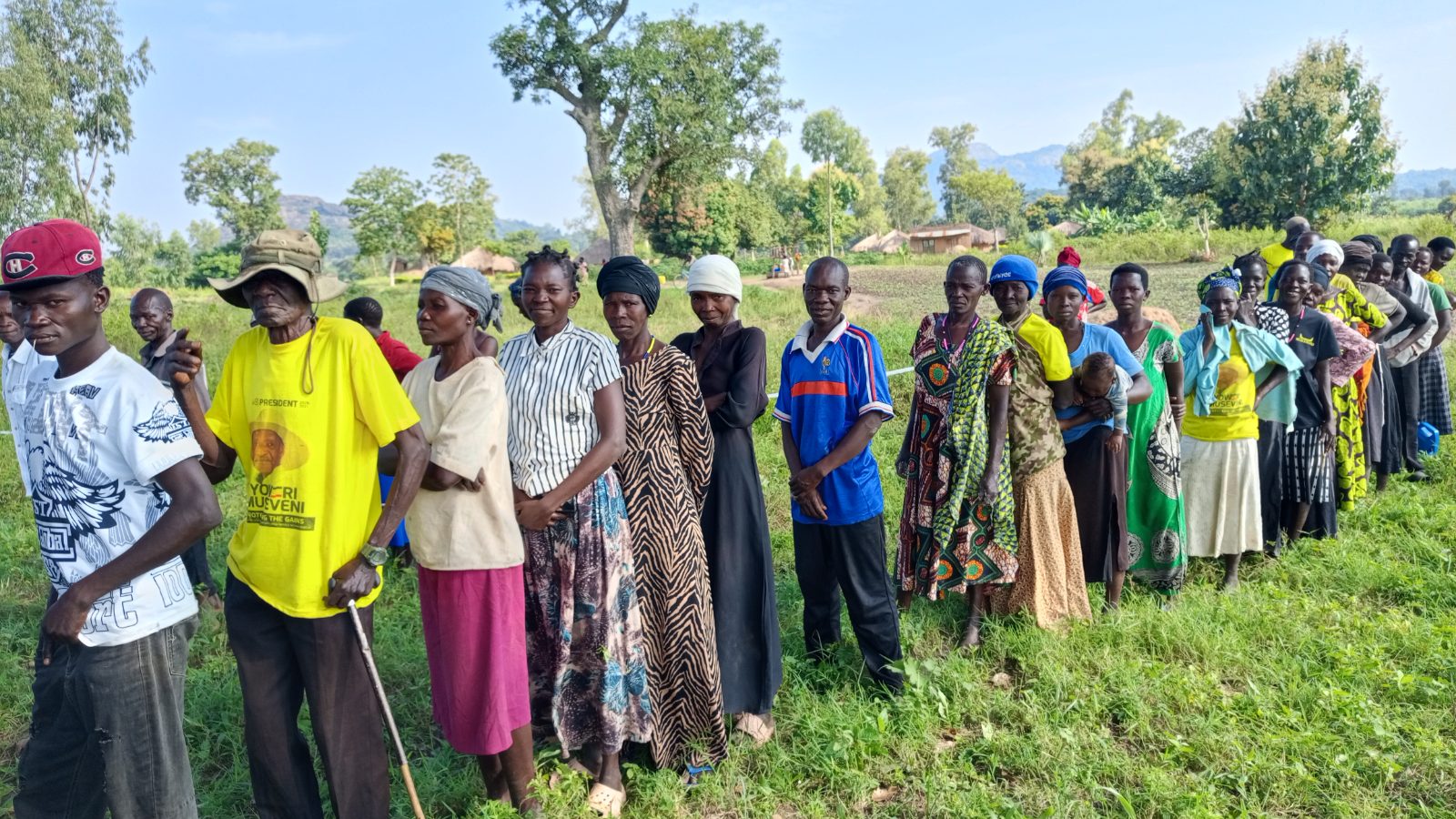
Women lead the queue during LC1 election at Olua Village, showing their strong voice in community affairs.
Founder & Chief Editor · 28 July 2026 · 2 min read
By Osmara Digital Media- Africa In Focus
Across Uganda today, communities took part in the election of Local Council One (LC1) leaders, the grassroots representatives who serve as the voice of villages and the first link between citizens and government. The LC1 chairperson is often described as the “president of the village” because this leader handles local concerns, mobilises communities, supports security efforts, and helps resolve disputes among residents.
At Olua Village in Pajama Parish, Tara Sub County, Maracha District, the election painted a picture that reflects a wider African reality — the strong and visible role of women in community activities.
As voters lined up to choose their next village chairperson, one striking scene stood out: women dominated the queue. They came early, waited patiently, and actively participated in deciding the leadership of their community. Yet, when it came to the candidates competing for the LC1 chairperson position, the names on the ballot were mainly men.
The scene tells a story of Africa’s traditional social structure, where women have always been the backbone of community life. From farming and caring for families to organising social activities, women remain at the centre of many village activities. They are often the first to respond during times of hardship, the organisers of community support, and the custodians of cultural values passed from one generation to another.
In many African societies, a woman’s contribution to the community is visible in almost every activity. She wakes up early to work in gardens, participates in local meetings, supports education of children, and helps maintain family and community stability. However, leadership positions at local and traditional levels have historically remained dominated by men.
The Olua Village LC1 election reflects this interesting contrast: women are the majority of participants, but men continue to occupy most formal leadership positions. It raises important questions about the future of grassroots leadership in Africa.
Should the people who are most active in community work also have more opportunities to lead? African culture has always valued collective responsibility. Leadership was not only about authority but also about service, wisdom, and the ability to unite people. Today, as societies continue to change, communities are increasingly recognising the importance of including women in decision-making spaces.
The participation of women in the Olua Village election demonstrates their commitment to democracy and community development. Their presence in the voting queue is a reminder that women are not only supporters of change — they are key drivers of it. As Uganda strengthens its local governance systems, the voices and contributions of women at village level will remain essential. The future of African leadership may depend on ensuring that those who actively build communities also have equal opportunities to shape their direction.
Founder & Chief Editor
Founder and Chief Editor of Osmara Digital Media. Journalist and historian telling Africa's stories through an African lens, from West Nile to the continent.
Related stories
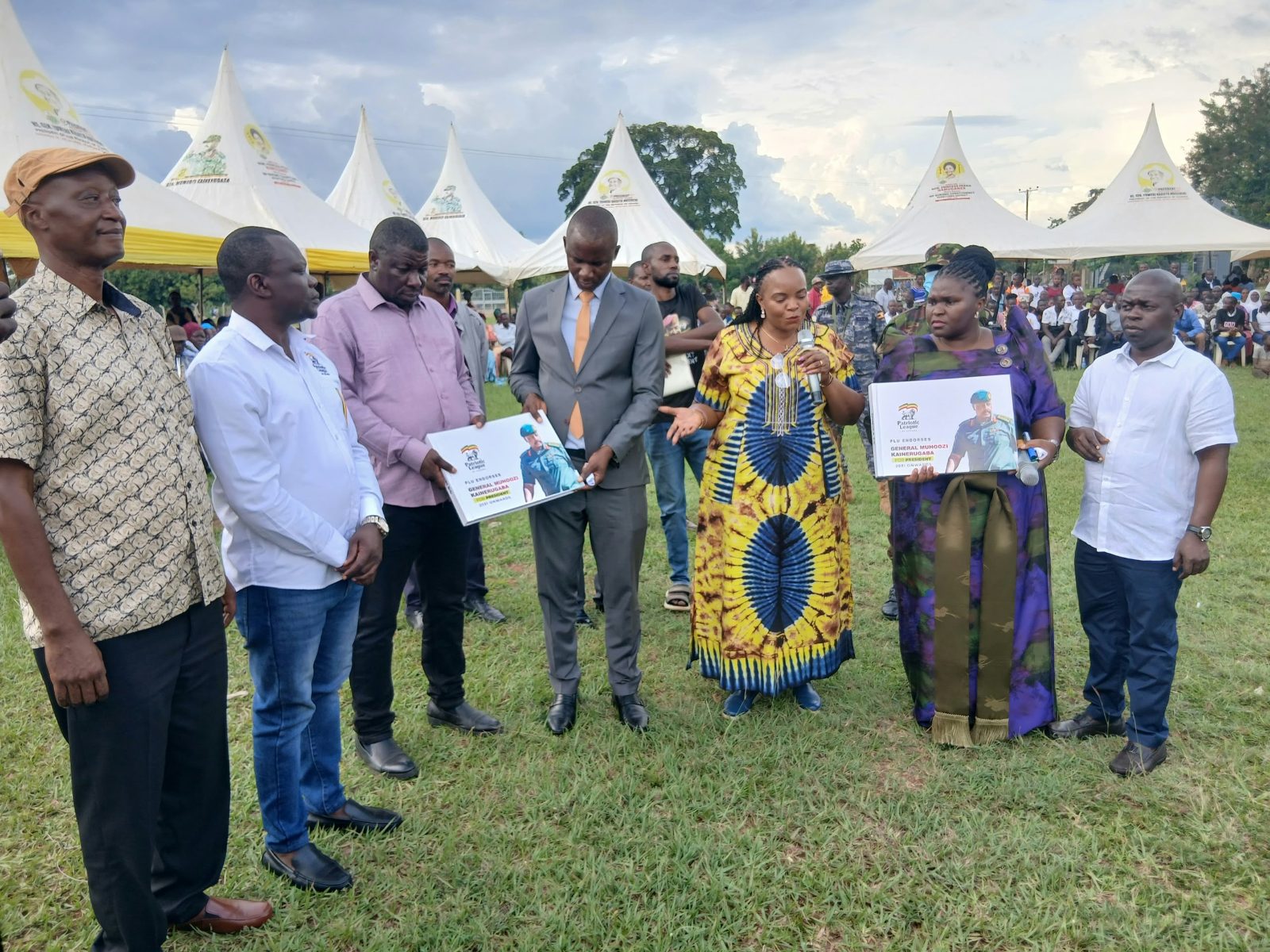
Minister Namuganza Declares Herself PLU Founder, Throws Weight Behind Muhoozi Presidency Bid
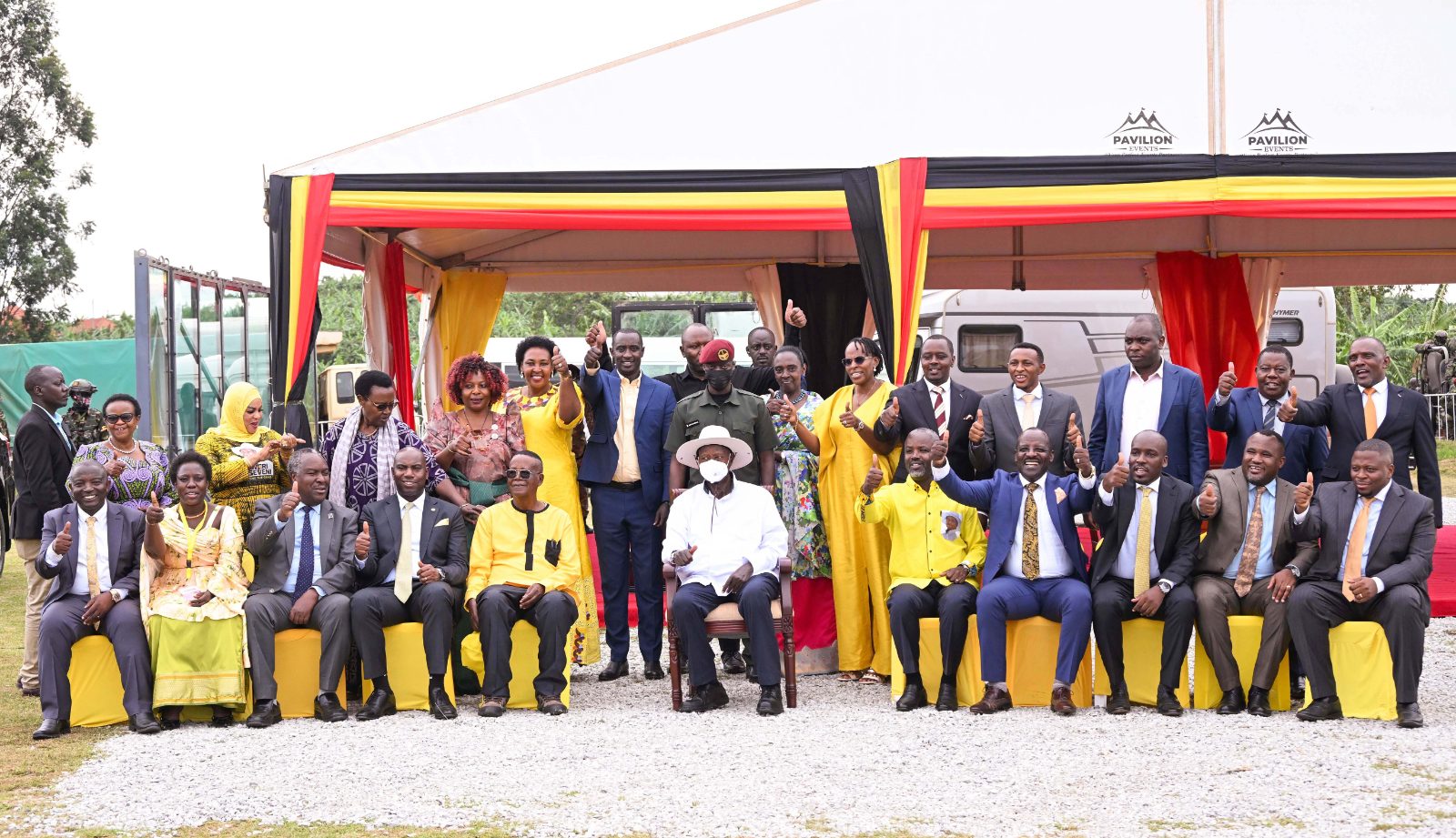
PRESIDENT MUSEVENI URGES SHEEMA FARMERS TO EMBRACE IRRIGATION, COMMERCIAL AGRICULTURE
Kenya President Ruto Announces Plan to Scrap 25% Mobile Phone Import Duty