
Africa Faces Growing HIV Fight as Global Funding Falls to Record Low
Record funding cuts threaten Africa's fight against HIV and progress towards ending AIDS.
Founder & Chief Editor · 27 July 2026 · 3 min read
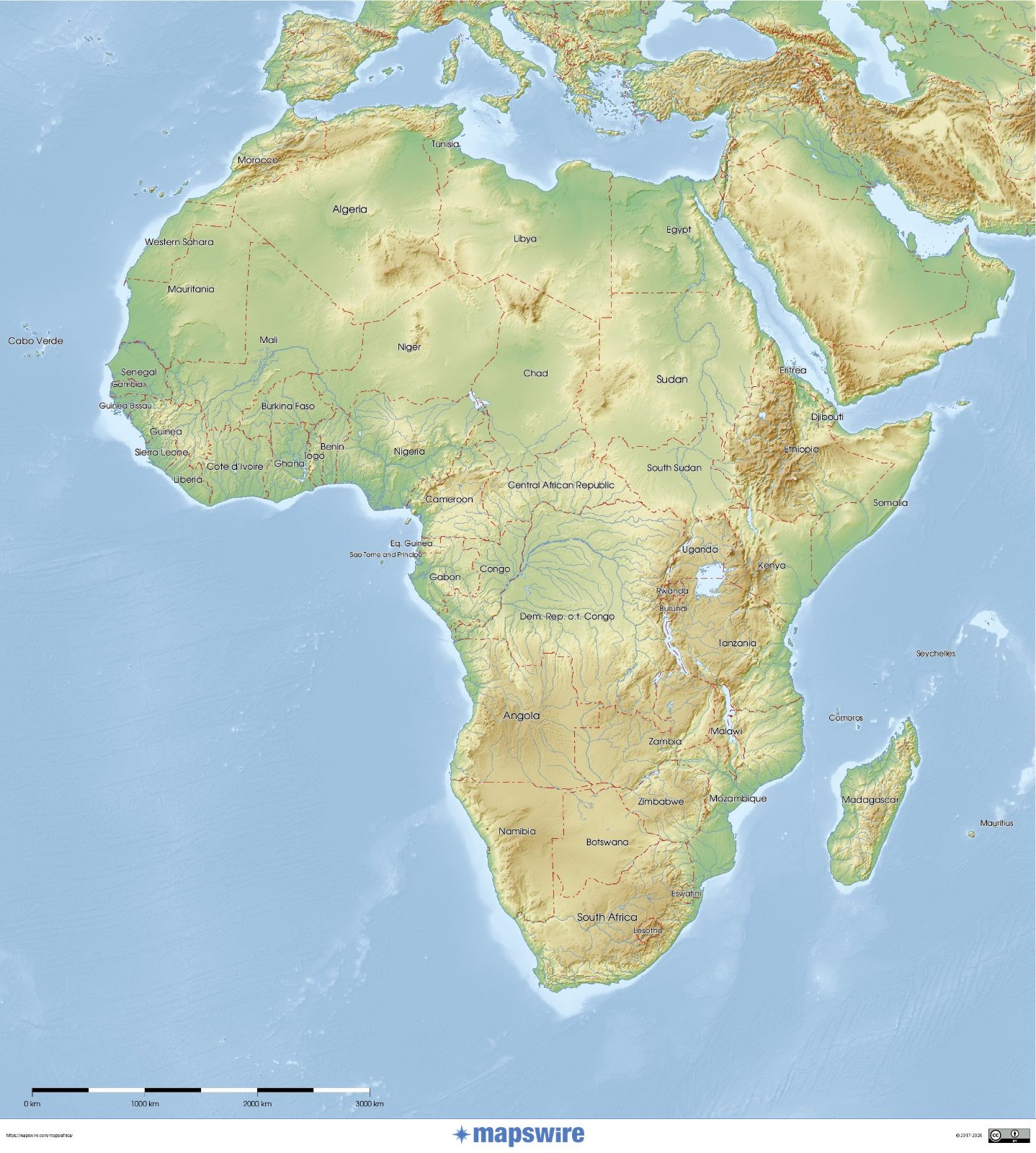
RIO DE JANEIRO, Brazil, July 27, 2026 — Africa's fight against HIV is entering a critical phase after global funding for the HIV response fell by a record 25% in 2025, raising concerns that hard-won gains across the continent could be reversed.
The findings, released by UNAIDS and KFF during the 26th International AIDS Conference (AIDS 2026) in Rio de Janeiro, show that the sharp decline was driven entirely by a steep reduction in United States funding.
It marks the largest single-year drop in international HIV financing since global funding expanded in 2002. For Africa, which carries the world's highest HIV burden, the funding cuts threaten prevention programmes, life-saving treatment, testing services and support for vulnerable communities. Many African countries have relied on international partnerships for decades to sustain national HIV responses.
Despite the decline in donor funding, the reports show that domestic HIV financing increased by 4% in 2025 and now accounts for nearly 60% of global HIV funding. More than 55 low- and middle-income countries have pledged to increase their own investments in HIV programmes during 2026.
However, the world remains off track to end AIDS as a public health threat. In 2025, there were an estimated 1.2 million new HIV infections and 570,000 AIDS-related deaths. While some countries, including Kenya, Lesotho, Rwanda, Zimbabwe and Eswatini, continue making progress towards the 2030 targets, rising infections in other parts of the world highlight the fragile state of the global response.
IAS President Beatriz Grinsztejn warned that donor funding has never fallen so sharply in such a short period, saying vulnerable communities are already paying the price. She called for a new approach to financing the HIV response and urged governments to rebuild international solidarity.
UNAIDS Executive Director Winnie Byanyima said the era of depending mainly on international aid is ending, calling for reforms to the global financial system and debt relief so governments, particularly in Africa, can invest more in healthcare, education and development.
South Africa's Deputy Minister of Health Joe Phaahla said African countries must continue strengthening domestic investment and make HIV a national priority. However, he stressed that no country can replace the scale of international partnerships that have supported the HIV response for decades.
World Health Organization Director-General Tedros Adhanom Ghebreyesus noted that HIV infections and AIDS-related deaths are at their lowest levels in more than three decades, thanks to scientific advances and expanded treatment. He warned, however, that these gains remain fragile without sustained investment and global cooperation.
Brazilian Health Minister Alexandre Padilha said innovation must go hand in hand with equal access to treatment, arguing that scientific breakthroughs only save lives when they reach every community.
For Africa, the reports serve as a warning that the continent's ambition to end AIDS by 2030 will depend not only on stronger domestic financing but also on continued international cooperation. Health experts say protecting decades of progress will require governments, donors and communities to work together to ensure HIV prevention, treatment and care remain accessible to millions.
Source: International AIDS Society (IAS), based on reports by UNAIDS and KFF, released during the 26th International AIDS Conference (AIDS 2026) in Rio de Janeiro, Brazil.
Founder & Chief Editor
Founder and Chief Editor of Osmara Digital Media. Journalist and historian telling Africa's stories through an African lens, from West Nile to the continent.
Related stories
Osmara Digital Media Connects African Regions Through a Growing Continental News Network
PRESIDENT MUSEVENI URGES SHEEMA FARMERS TO EMBRACE IRRIGATION, COMMERCIAL AGRICULTURE
Kenya President Ruto Announces Plan to Scrap 25% Mobile Phone Import Duty