
Lugbara Tradition in Action: Women Stage Marriage Roadblock for Maracha Suitors in Adumi
Women in Ambala, Adumi Sub-County, staged a traditional roadblock for visitors who had travelled from Maracha, Yumbe and Koboko districts for a customary dowry ceremony, highlighting the rich traditions of the Lugbara community.

Founder & Chief Editor · 11 October 2026 · 4 min read
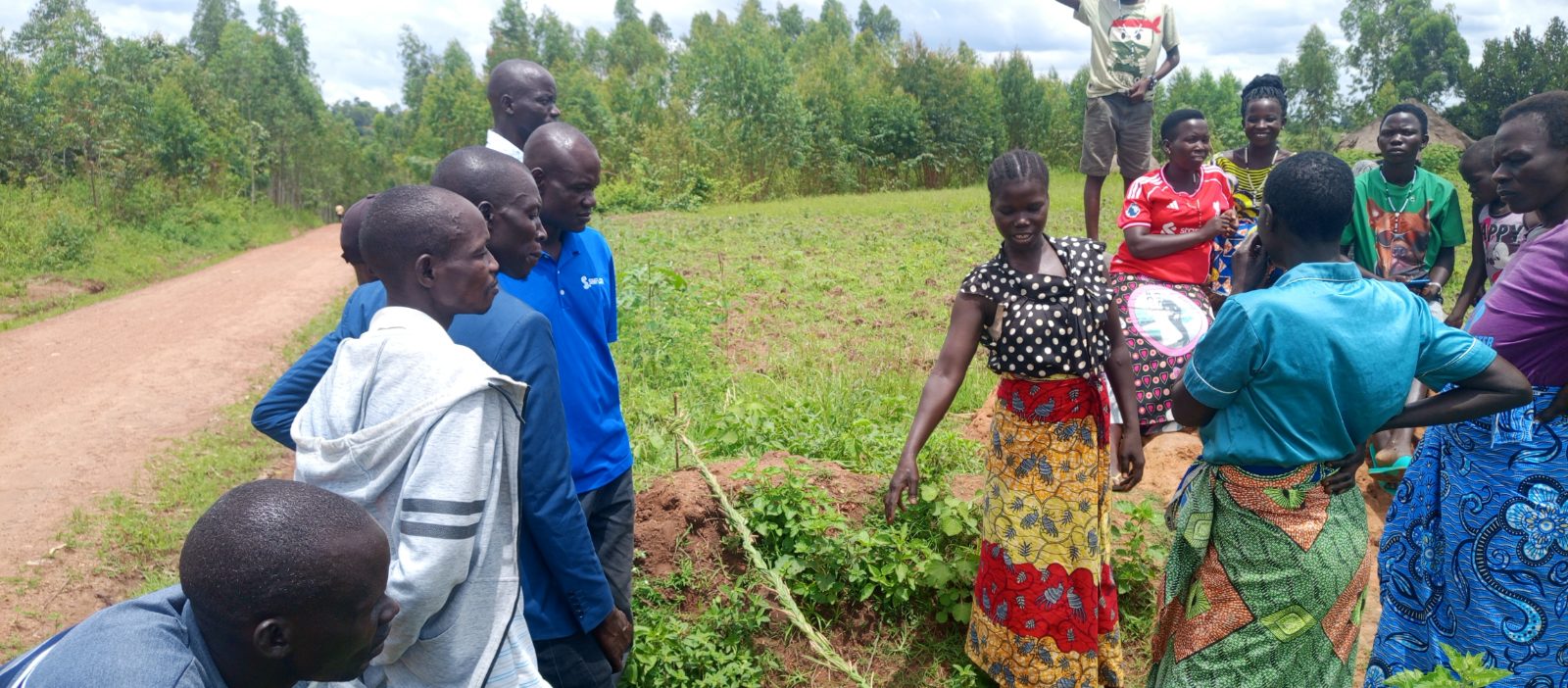
ARUA, UGANDA —Lugbara cultural traditions took centre stage October 11, 2026 in Ambala, Nyiovurra, Adumi in Arua city, when women staged a traditional marriage roadblock for visitors who had travelled from Maracha District with animals as part of the dowry for their relative who had married from Ambala clan.
The delegation, which included visitors from Olua Village, Pajama Parish, Tara Sub-County, in Maracha District, was joined by others from Yumbe District and Lobule Sub-County in Koboko District for the traditional dowry ceremony.
The gathering brought the families together to fulfil customary marriage obligations and strengthen relationships between the family of the groom and that of the bride.
As the visitors approached the homestead, women tied ropes across the road, temporarily preventing the delegation from proceeding. They demanded Shs2 million before allowing the visitors to continue to the bride's family home.
A Goat Opens the Way
The women maintained their demand as part of the customary proceedings. After discussions between the visitors and the women, an agreement was reached to provide a live goat instead of the requested Shs2 million.
Following the agreement, the ropes were removed, allowing the delegation to proceed to the homestead for the formal dowry discussions with the men from the bride's family.
The exchange illustrated how dialogue and negotiated offerings formed part of the traditional process before the main marriage discussions could begin.
Dowry Proceedings End with Special Allowances and Prayer
After the dowry discussions, the chairman and secretary representing the visiting delegation were asked to provide special allowances to their counterparts from the host community, Ambala.
The visiting chairman handed money directly to the Ambala chairman, while the visiting secretary similarly presented money to the host community's secretary.
A prayer followed, marking the conclusion of the formal dowry discussions.
The visitors were then handed back to the women, who had another role to play before the delegation could enjoy the meal prepared for them.
Women Seek an Allowance for Preparing Meals
The women responsible for preparing tea and cooking food for the visitors requested an allowance of Shs500,000 before serving the guests.
Following further discussions, the visitors offered the women one live goat and Shs15,000. The women accepted the arrangement and proceeded to serve the food.
Their involvement highlighted the important role women played throughout the ceremony, from receiving the delegation at the roadblock to preparing refreshments and meals for the guests.
Ambala's Tradition of Generous Hospitality
Beyond the roadblock and customary exchanges, the occasion highlighted a distinctive practice attributed to the Ambala clan: giving visitors all the food prepared for them.
According to the account of the ceremony, when a goat is slaughtered for visitors, all its parts are given to the guests. The same practice applies to chicken prepared for the delegation.
The tradition reflects the importance attached to hospitality and generosity, with food serving as a way of welcoming guests and strengthening relationships between families.
In many African communities, sharing meals is an important part of ceremonies that bring families and communities together. In Ambala, the practice offers a glimpse into how hospitality is expressed through local customs.
Keeping Lugbara Traditions Alive
Traditional marriage ceremonies extend beyond the couple, bringing together relatives, elders and other community members through customary exchanges, prayer and hospitality.
Today's ceremony in Adumi demonstrated how different members of the community participate in preserving these traditions, with women and men playing distinct roles throughout the dowry proceedings.
For the visiting delegation, the journey from Maracha to Ambala involved more than delivering animals as part of the dowry. The process included the women's roadblock, negotiations over a live goat, formal dowry discussions, exchanges between community representatives, prayer and a meal prepared by the women.
The participation of visitors from Maracha, Yumbe and Koboko also demonstrated how traditional marriage ceremonies can bring people from different communities together through family relationships and shared cultural practices.
One of the most striking aspects of the occasion was the Ambala clan's reported tradition of giving visitors every part of the goat or chicken prepared for them, underscoring the value placed on sharing and generosity.
Beyond the livestock and customary exchanges, the gathering brought families together and provided an opportunity to pass cultural practices from one generation to another.
The ceremony served as a reminder that traditional marriage is not simply about uniting two people. It also involves families, community relationships, shared responsibilities and the preservation of cultural heritage.
Osmara Digital Media | Africa in Focus
Founder & Chief Editor
Founder and Chief Editor of Osmara Digital Media. Journalist and historian telling Africa's stories through an African lens, from West Nile to the continent.
Related stories
Kenya President Ruto Announces Plan to Scrap 25% Mobile Phone Import Duty

Bugiri Police Arrest Suspected Motorcycle Thief, Recover Bike Stolen in Busia
Osmara Digital Media Explores Coffee Farming Potential at Kawanda to Boost West Nile Incomes