
Koboko Cocoa Farmers Cooperative Takes Farmers Back to Class at Jabara
After years away from the classroom, Koboko cocoa farmers are returning to school at Jabara Agricultural Vocational Institute, where their cooperative is investing in knowledge to help transform lessons into better cocoa production.

Founder & Chief Editor · 31 August 2026 · 6 min read
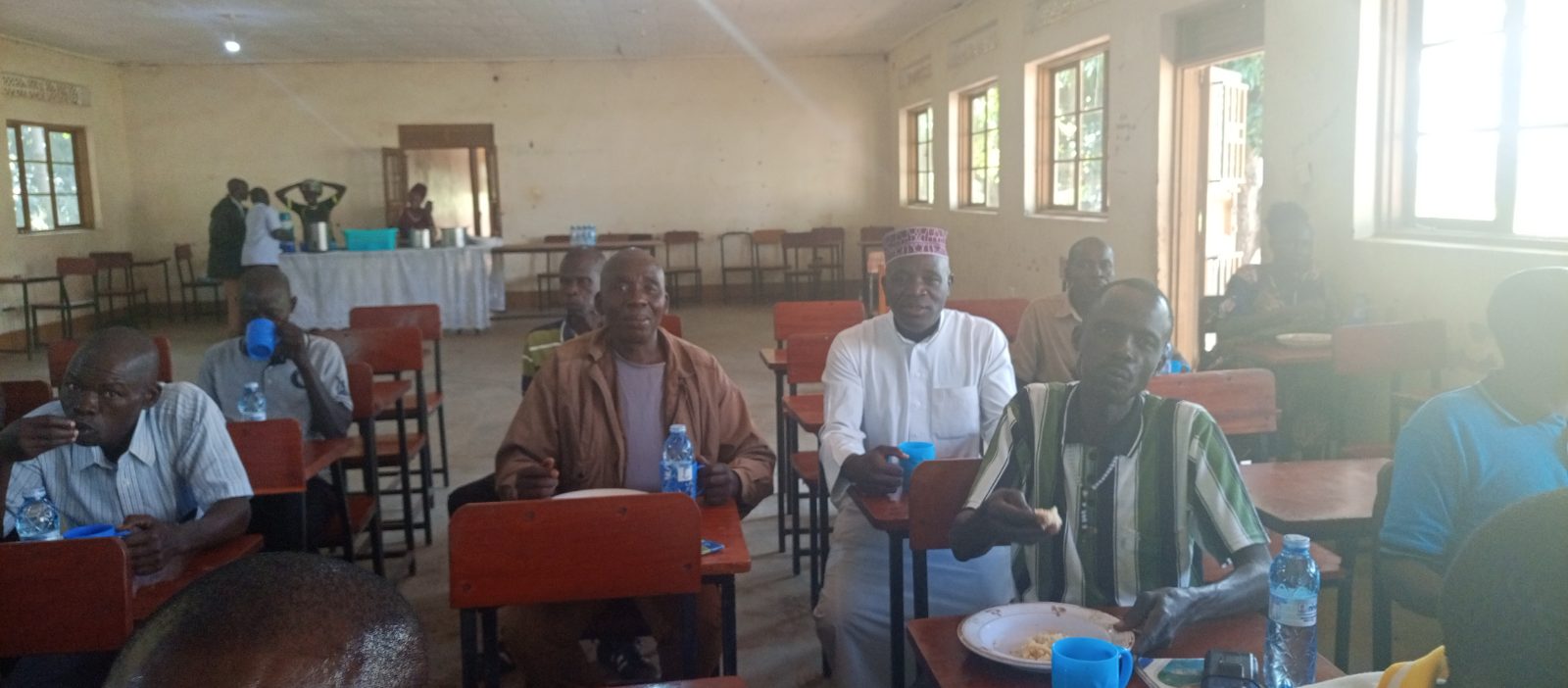
JABARA, KOBOKO — For a moment, it feels as though time has turned back several years. Farmers who have spent much of their adult lives working in cocoa gardens are once again seated behind desks, notebooks open, pens in hand, listening attentively to a trainer standing before them. The familiar classroom environment, the questions from the front and the anticipation of being called upon to answer have brought back memories of the days when they were students themselves. Only this time, they have not returned to school to study mathematics, geography or history. They have returned to learn the science, skills and practices of growing cocoa.
At Jabara Agricultural Vocational Institute in Koboko District, the classroom has taken on a new meaning as the Koboko Cocoa Farmers Cooperative brings its members together for specialised cocoa training. For many of the farmers, it is an unusual but exciting experience to sit in a formal learning environment again after spending years away from the classroom. Their desks may look familiar, but their purpose has changed, because the knowledge they are gaining is directly connected to the farms that provide food and income for their families.
A familiar feeling returns
As the training gets underway, the farmers gradually settle into their roles as students. The trainer explains a particular aspect of cocoa production, and the room becomes quiet as participants concentrate on every detail. Then a question is asked, and almost instinctively, hands begin to rise across the classroom. Some farmers raise their hands confidently, while others appear to wait cautiously for the trainer's eyes to settle on them.
That simple moment of raising a hand and waiting to be selected brings back the unmistakable feeling of being in school. There is something almost nostalgic about watching grown men and women eagerly competing for the opportunity to answer a question or explain what they have understood. When one farmer is finally selected, he or she stands to give an explanation while colleagues listen carefully, sometimes nodding in agreement and occasionally adding their own experiences from the field.
For the farmers, this is more than an ordinary training session. It is a return to a familiar world they left many years ago, but with a completely different purpose. They are back in class, only this time their education is about something they already know intimately—the cocoa tree—and how better knowledge can help them improve what they do in their gardens.
When the cocoa garden becomes the classroom
The training at Jabara Agricultural Vocational Institute is designed to bridge the gap between what farmers know through experience and what they can learn through structured agricultural education. Many cocoa farmers have acquired their skills over the years by observing other farmers, experimenting in their gardens and learning from successes and failures. However, formal training provides an opportunity to strengthen that practical experience with new knowledge and techniques that can be applied directly in the field.
Inside the classroom, the farmers listen, ask questions, discuss their experiences and seek clarification on issues affecting their cocoa production. The lessons are not intended to remain inside notebooks or on a blackboard; they are meant to travel with the farmers when they return home and eventually find expression among the cocoa trees in their gardens.
That is what makes this classroom different from the schools many of them attended when they were young. The purpose is not simply to pass an examination or obtain a certificate. The real examination will come when the farmers return to their gardens and put the lessons into practice, because the knowledge acquired at Jabara will ultimately be measured by how effectively it improves their farming practices and the quality of the cocoa they produce.
“Our parent is paying our school fees”
There is another reason the training feels like a return to school: the farmers see the Koboko Cocoa Farmers Cooperative as the parent making their education possible.
Although these are grown men and women who have long since left their childhood classrooms, the cooperative has taken on the responsibility of supporting their continued education by facilitating their participation in the cocoa training. In a sense, the cooperative is paying the school fees, while the farmers have returned to class as students determined to acquire knowledge that can improve their livelihoods.
The idea captures something important about the role of farmer cooperatives. Beyond bringing farmers together around a common economic interest, a strong cooperative can also become a platform for knowledge, skills development and collective improvement. By supporting training, the Koboko Cocoa Farmers Cooperative is investing in the people who cultivate the cocoa upon which the cooperative's future also depends.
For the farmers, that investment carries an important message: they are not being left to learn everything on their own. Their cooperative recognises that better cocoa production requires better-informed farmers and that knowledge is one of the most valuable resources that can be taken back to the farm.
Learning does not end when school ends
Returning to class after several years away can bring a mixture of emotions. There is the excitement of discovering something new, the nostalgia of remembering school days and, perhaps, the familiar nervousness that comes whenever a teacher asks a question and expects an answer. Yet beneath the laughter and memories is a serious understanding among the farmers that learning does not have an age limit.
For cocoa farmers, continuous learning can determine whether traditional farming practices remain unchanged or evolve with new knowledge and experience. As challenges in agriculture change, farmers need to continue acquiring information that can help them make better decisions about their gardens, production and livelihoods.
At Jabara, therefore, the classroom has become more than four walls and desks. It has become a meeting point between experience and new knowledge, where farmers bring what they already know from their gardens and combine it with lessons from trainers and fellow farmers.
From the classroom back to the cocoa garden
Eventually, the training sessions will come to an end, the notebooks will close and the farmers will leave the classroom. But unlike students who finish an ordinary school day and wait for the next lesson, these farmers will carry their education directly into their gardens.
The cocoa trees will become their practical classroom, while the lessons they have learned will become tools for improving their work. Every decision they make in the garden will provide an opportunity to apply something they heard, discussed or demonstrated during the training.
This is perhaps the most meaningful part of the farmers' return to school. They are not learning simply for the sake of learning; they are learning because their knowledge can influence the productivity of their farms, the quality of their cocoa and ultimately the wellbeing of their families.
And so, inside the classroom at Jabara Agricultural Vocational Institute, something remarkable is taking place. Farmers who left school many years ago have once again become students, raising their hands when questions are asked, waiting to be picked, standing up to explain what they know and listening carefully when others speak.
The difference is that the stakes are now much higher and much more personal. Their lessons are connected to the land they cultivate, the trees they care for and the livelihoods they hope to build.
The Koboko Cocoa Farmers Cooperative may be paying the school fees, but the farmers themselves must take the lessons home and put them to work.
After all, the classroom at Jabara may be where the lessons begin, but the cocoa garden is where the results will be seen.
Founder & Chief Editor
Founder and Chief Editor of Osmara Digital Media. Journalist and historian telling Africa's stories through an African lens, from West Nile to the continent.
Related stories
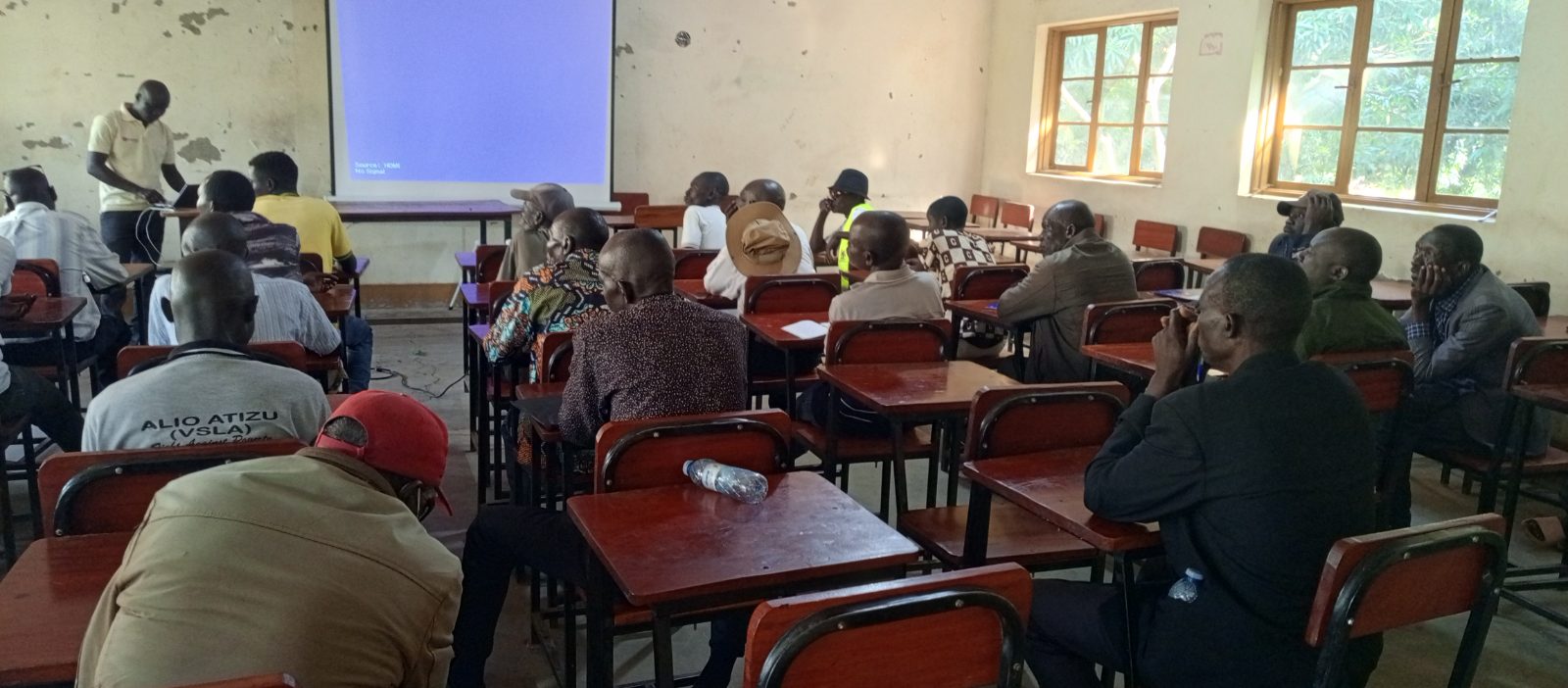
West Nile Cocoa Future Begins at Jabara: Farmers Trained to Turn the ‘Green Gold’ into Household Income
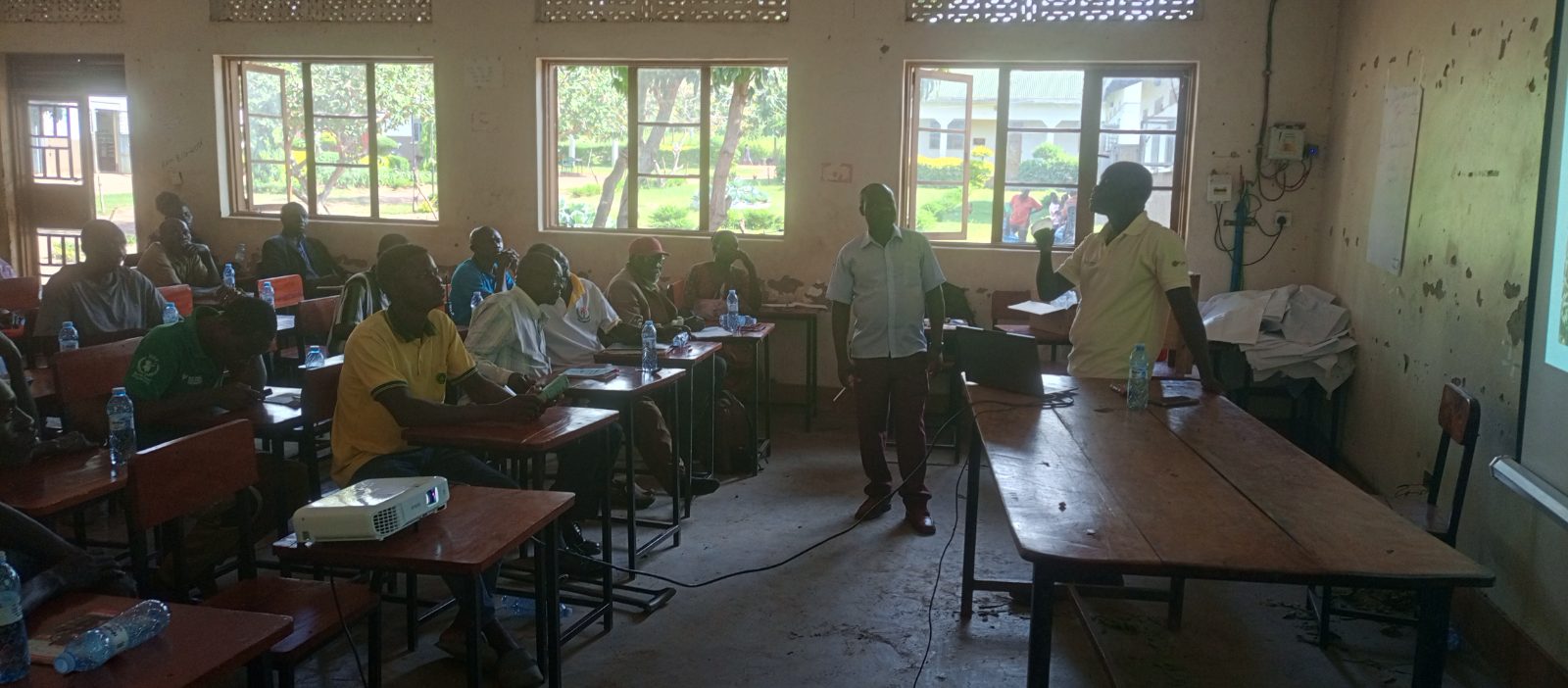
Koboko Cocoa Cooperative Brings West Nile Farmers Together for Three-Day Training
Koboko Mourns a Pioneer: The Political Legacy of George Ambe from Arua District to Koboko