
West Nile Cocoa Future Begins at Jabara: Farmers Trained to Turn the ‘Green Gold’ into Household Income
Farmers from Yumbe, Maracha, Arua, Arua City and Koboko are undergoing a three-day residential cocoa training at Jabara Agricultural Vocational Institute, strengthening skills to turn cocoa into a sustainable source of household income.

Founder & Chief Editor · 31 August 2026 · 5 min read
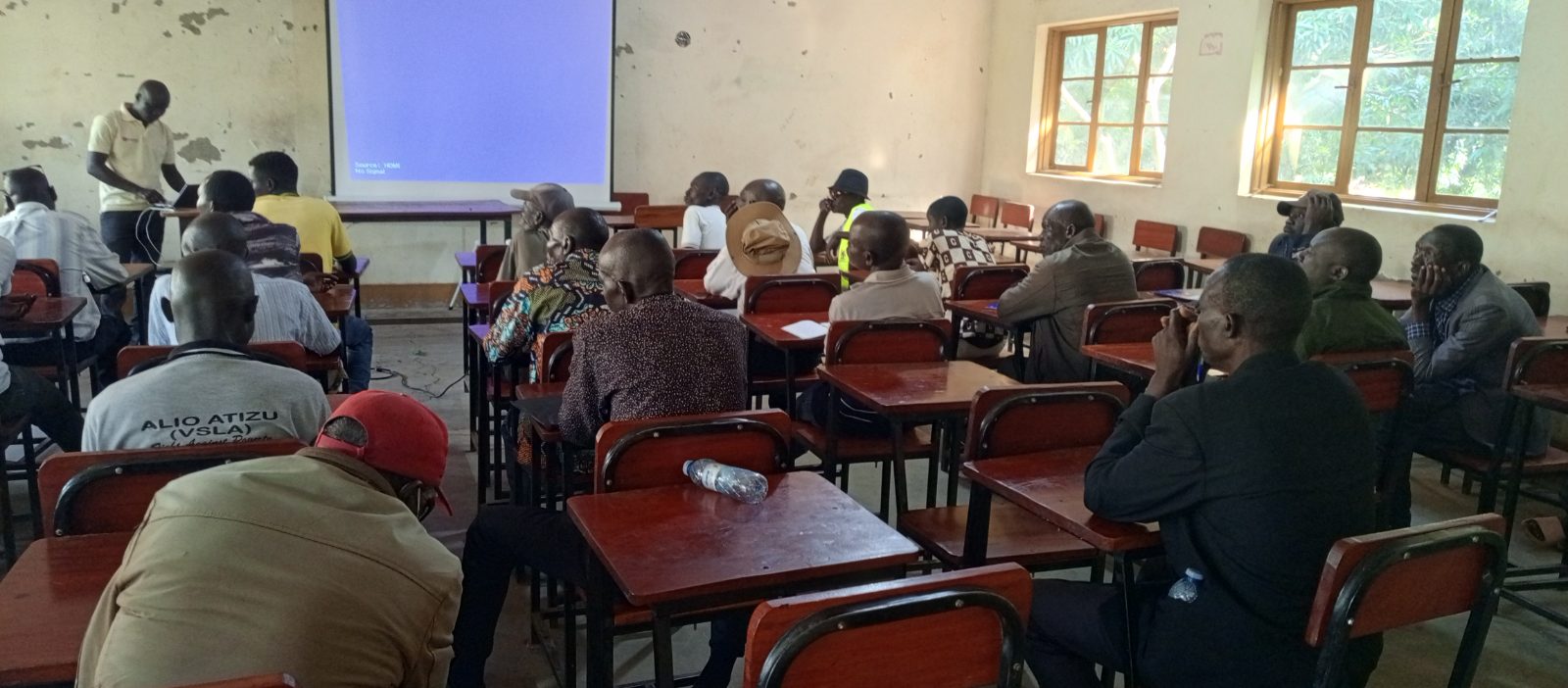
KOBOKO, UGANDA — Farmers from Yumbe, Maracha, Arua District, Arua City and Koboko have converged at Jabara Agricultural Vocational Institute in Koboko District for a three-day residential training designed to equip them with practical knowledge and skills in cocoa growing.
The training is bringing together farmers from different parts of West Nile in an intensive learning programme focused on how to establish, manage and maintain productive cocoa gardens while avoiding common mistakes that can affect yields and the quality of cocoa beans.
Unlike training that focuses only on classroom theory, the Jabara programme is giving farmers an opportunity to learn through both theoretical lessons and practical demonstrations, enabling participants to understand what they need to do when they return to their farms. The three-day programme is taking farmers through important stages of cocoa production, from selecting suitable land and planting quality seedlings to maintaining mature trees and preparing cocoa beans for the market.
Learning how to establish a cocoa garden One of the important areas of the training is helping farmers understand that successful cocoa production begins before the first seedling is planted.
Farmers are being introduced to proper site selection, land preparation, spacing and planting techniques. The training emphasises the importance of giving cocoa trees adequate space to develop while creating conditions that support healthy growth.
Participants are also learning about the importance of selecting quality planting materials and establishing cocoa seedlings properly. For farmers who are expanding into cocoa or planning to establish new plantations, the lessons are intended to help them avoid poor planting practices that can affect the productivity of their gardens for many years.
Practical lessons in cocoa plantation management The training is also focusing on how farmers should manage cocoa trees after planting.
Participants are being introduced to practices such as pruning, shade management, weed control, soil fertility management and general plantation maintenance. Pruning is particularly important because it helps farmers manage the structure of the cocoa tree and improve conditions within the plantation.
Farmers are being encouraged to regularly inspect their gardens instead of waiting until problems become severe. The training therefore presents cocoa farming as a crop that requires continuous attention, proper management and knowledge.
Understanding pests and diseases Another major component of the training is the identification and management of pests and diseases that can affect cocoa production. Farmers are learning how to identify signs of problems in their cocoa trees and the importance of taking action early.
The emphasis is not simply on responding to diseases after they have spread, but on maintaining clean and well-managed plantations that reduce the conditions under which pests and diseases can thrive. For farmers coming from different districts, the lessons are particularly important because they will be returning to different farming environments where they must apply the knowledge according to conditions on their individual farms. From flowering to harvesting The training is also taking farmers through the production process leading to harvesting.
Participants are learning how to monitor their cocoa trees, understand the development of pods and identify the appropriate time to harvest. Proper harvesting is critical because careless harvesting can damage cocoa trees and affect future production. Farmers are therefore being encouraged to use appropriate harvesting methods that protect the trees while ensuring that mature pods are collected at the right time. Post-harvest handling takes centre stage
The training does not end when cocoa pods are harvested. Farmers are also being introduced to post-harvest handling, including the importance of proper fermentation and drying of cocoa beans.
This is an important part of cocoa production because the quality of beans reaching the market is influenced by what happens after harvesting.
Farmers are learning that producing good cocoa is not only about having healthy trees and harvesting many pods. How the beans are handled after harvesting can determine their quality and ultimately influence their marketability.
Farmers learn from one another The residential nature of the training is also creating an opportunity for farmers from the five areas to share experiences.
Farmers from Koboko are able to interact with those from Yumbe, Maracha, Arua and Arua City, comparing their experiences and discussing the challenges they face in establishing and maintaining cocoa farms.
The interaction is allowing participants to learn not only from trainers but also from fellow farmers who have already started growing cocoa.
For some participants, the training is an opportunity to understand cocoa farming for the first time, while others are using it to improve practices they have already adopted on their farms.
Turning knowledge into income At the heart of the training is the need to help farmers treat cocoa as a serious commercial enterprise. The farmers are being encouraged to look beyond simply planting cocoa trees and instead consider the entire production chain—from quality seedlings and proper farm management to harvesting, post-harvest handling and marketing.
The vision is that improved knowledge will translate into healthier plantations, better yields and higher-quality beans, giving farming households a stronger opportunity to earn income from the crop.
For farmers in West Nile, where many households depend heavily on agriculture, the development of commercial crops such as cocoa could provide an additional source of income and strengthen household economic resilience.
Jabara as a centre for agricultural skills The training is also placing Jabara Agricultural Vocational Institute at the centre of agricultural skills development in Koboko.
By bringing farmers into a vocational training environment, the programme demonstrates how agricultural institutions can support farmers with practical knowledge that can be applied directly in the field.
The three-day residential programme is therefore not simply about teaching farmers how to plant cocoa. It is about building a generation of farmers who understand the science and discipline behind cocoa production and can apply that knowledge on their own farms.
As the participants prepare to return to their respective communities after the training, the real test will be how the lessons learnt at Jabara are translated into practice.
If farmers apply the skills gained in nursery management, planting, pruning, pest and disease control, harvesting and post-harvest handling, the knowledge acquired during the three days could contribute to the development of more productive and better-managed cocoa farms across West Nile.
Founder & Chief Editor
Founder and Chief Editor of Osmara Digital Media. Journalist and historian telling Africa's stories through an African lens, from West Nile to the continent.
Related stories
Osmara Digital Media Explores Coffee Farming Potential at Kawanda to Boost West Nile Incomes

EU Council Agrees Position on New Agricultural Market Rules for 2028–2034
Nawandegeyi–Bukabooli Road Construction Begins, Bringing New Hope to Bunya East