Can DR Congo Build a Resilient Health System?
"Fighting Epidemics in DR Congo
Founder & Chief Editor · 24 July 2026 · 2 min read
By OSMARA DIGITAL MEDIA | Africa in Focus
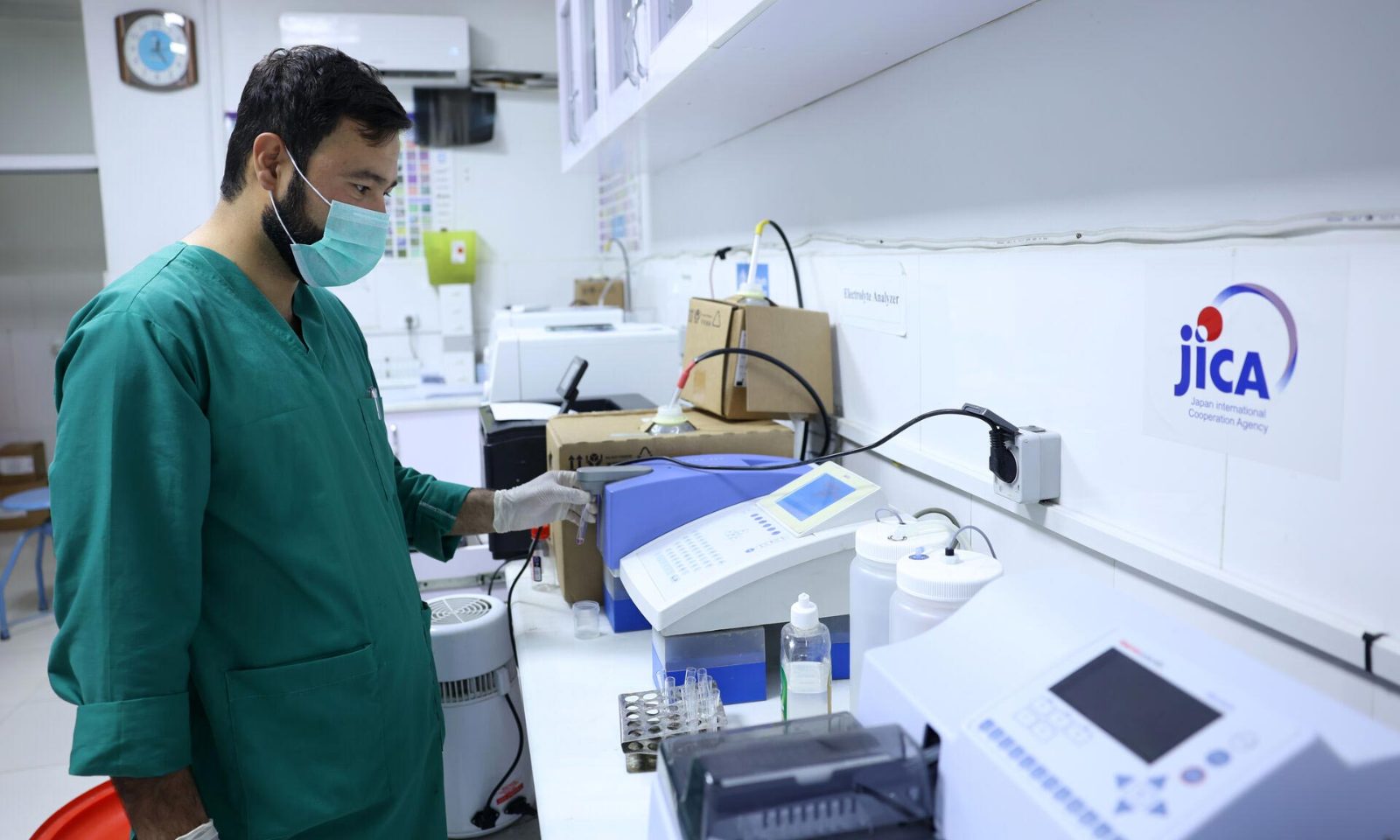
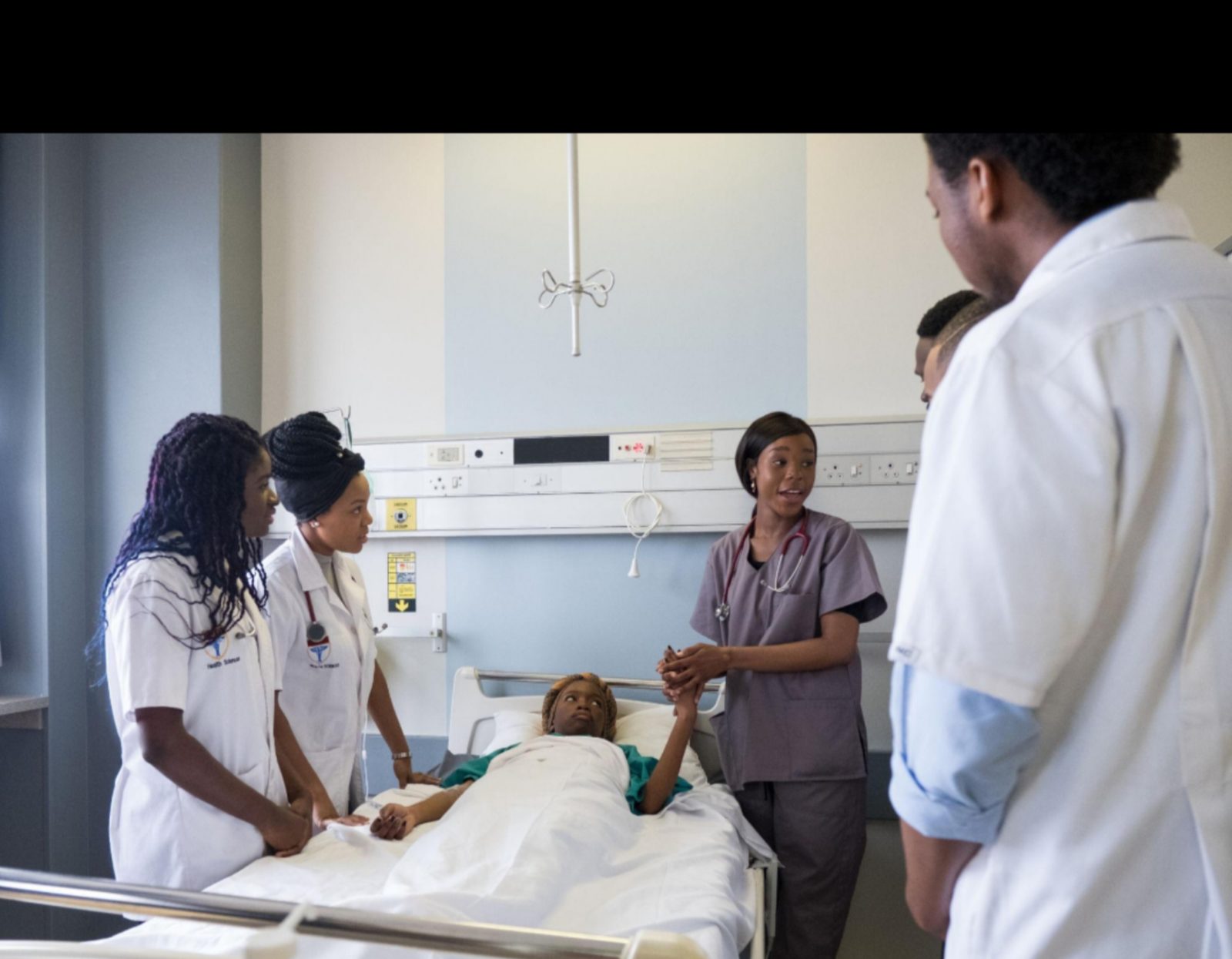
The Democratic Republic of Congo (DRC) has become one of Africa's most important testing grounds in the fight against infectious diseases. From Ebola and mpox to cholera, measles, and malaria, the country has battled some of the continent's deadliest public health emergencies while confronting conflict, displacement, and weak infrastructure. Yet despite these challenges, the DRC has demonstrated remarkable resilience. Health workers, researchers, and communities have repeatedly contained outbreaks that could have spread far beyond its borders, making the country's fight against epidemics a matter of continental and global importance. The DRC's vast geography and dense tropical forests create conditions where infectious diseases can emerge and spread rapidly. At the same time, ongoing insecurity in parts of eastern Congo complicates vaccination campaigns, disease surveillance, and access to healthcare. Millions of internally displaced people are particularly vulnerable to outbreaks because of overcrowded living conditions, poor sanitation, and limited access to clean water. The country has also become a leader in epidemic response. During successive Ebola outbreaks, Congolese scientists and frontline health workers helped deploy rapid testing, contact tracing, and vaccination strategies that saved thousands of lives. These experiences have strengthened national expertise in responding to public health emergencies. However, recurring outbreaks expose deeper weaknesses in the healthcare system. Many rural communities remain far from health facilities. Shortages of medicines, medical equipment, trained personnel, and reliable funding continue to limit access to quality healthcare. Maternal and child health services are often disrupted during periods of conflict and disease outbreaks. Experts argue that building a resilient health system requires more than responding to emergencies. It means investing in primary healthcare, strengthening laboratories, improving disease surveillance, training health workers, expanding immunization, and ensuring communities have access to safe water and sanitation. Regional cooperation is equally essential. Diseases do not respect national borders, and the DRC shares frontiers with nine countries. Strong collaboration in surveillance, information sharing, and emergency preparedness can help prevent localized outbreaks from becoming regional crises. For Africa, the DRC's experience offers an important lesson. Epidemic preparedness is not only about responding to the next outbreak but also about building health systems capable of delivering routine care every day. Investments in community health, research, and resilient infrastructure are as critical as emergency response. Africa in Focus The Democratic Republic of Congo stands at the frontline of Africa's battle against infectious diseases. Its successes and struggles remind the continent that resilient health systems are the first line of defence against future epidemics. Strengthening healthcare in the DRC is not only an investment in one nation—it is an investment in Africa's collective health security.
Founder & Chief Editor
Founder and Chief Editor of Osmara Digital Media. Journalist and historian telling Africa's stories through an African lens, from West Nile to the continent.