
Counterfeit Medicines: Benin's Battle to Protect Public Health
Counterfeit medicines remain a major public health threat in Benin, putting lives at risk and straining healthcare efforts.

Founder & Chief Editor · 9 August 2026 · 2 min read
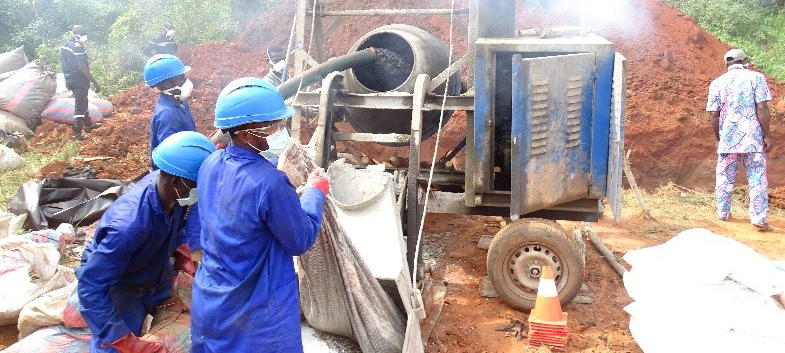
By Osmara Digital Media-Africa In focus
Counterfeit medicines have become a growing public health concern in Benin, threatening the lives of patients and creating challenges for healthcare providers and authorities working to ensure access to safe and effective treatment.
Fake and substandard medicines can contain incorrect ingredients, harmful substances, or insufficient amounts of active ingredients needed to treat diseases. For patients relying on medicines to fight infections, manage chronic conditions, or recover from illness, taking counterfeit drugs can result in treatment failure, serious health complications, and sometimes death.
In many communities, especially rural areas, the challenge is made worse by limited access to affordable healthcare services and regulated pharmacies. Some people turn to informal drug sellers because of lower prices or convenience, unknowingly exposing themselves to medicines that may not meet safety standards.
Economic hardship, weak monitoring of medicine supply chains, and illegal cross-border trade have contributed to the spread of counterfeit drugs. Criminal networks often target countries where enforcement systems face challenges, introducing fake products that can look similar to genuine medicines.
The consequences of counterfeit medicines extend beyond individual patients. Fake drugs can contribute to drug resistance, particularly when antibiotics are ineffective due to incorrect dosages or poor-quality ingredients. This makes future treatment more difficult and increases pressure on already stretched healthcare systems.
Benin has continued efforts to strengthen medicine regulation, improve inspections, and crack down on illegal medicine markets. Authorities are also working with health organizations and regional partners to improve control of pharmaceutical supplies and protect citizens from dangerous products.
Public awareness remains a key part of the fight. Health experts encourage citizens to buy medicines only from licensed pharmacies, check product information carefully, and report suspicious drugs to relevant authorities.
Technology is also becoming an important tool in improving medicine safety. Digital tracking systems, secure packaging, and verification methods can help identify genuine medicines and prevent counterfeit products from reaching consumers.
The fight against fake medicines requires cooperation between governments, health workers, pharmaceutical companies, law enforcement agencies, and communities. Stronger healthcare systems, affordable access to genuine medicines, and better public education are essential to reducing the threat.
Benin’s battle against counterfeit medicines reflects a wider African challenge. Across the continent, countries are working to strengthen medicine regulation and regional cooperation to protect millions of people from unsafe products.
Ensuring access to safe and effective medicines is not only a healthcare priority but also a crucial step toward protecting lives, improving public confidence, and supporting sustainable development.
Founder & Chief Editor
Founder and Chief Editor of Osmara Digital Media. Journalist and historian telling Africa's stories through an African lens, from West Nile to the continent.
Related stories
Ghana Migrant Workers’ Union Calls for State Rescue and Repatriation Fund for Victims Abroad
UN Child Rights Committee to Review Uganda Over Child Rights Record in Geneva

Uganda and Italy Strengthen Bilateral Cooperation on Coffee, Trade and Investment