WHO Urges Stronger Cybersecurity Measures to Protect Health Systems
WHO calls on countries to strengthen cybersecurity preparedness as growing digital dependence exposes health systems to cyberattacks, ransomware and service disruptions.
Founder & Chief Editor · 3 September 2026 · 2 min read
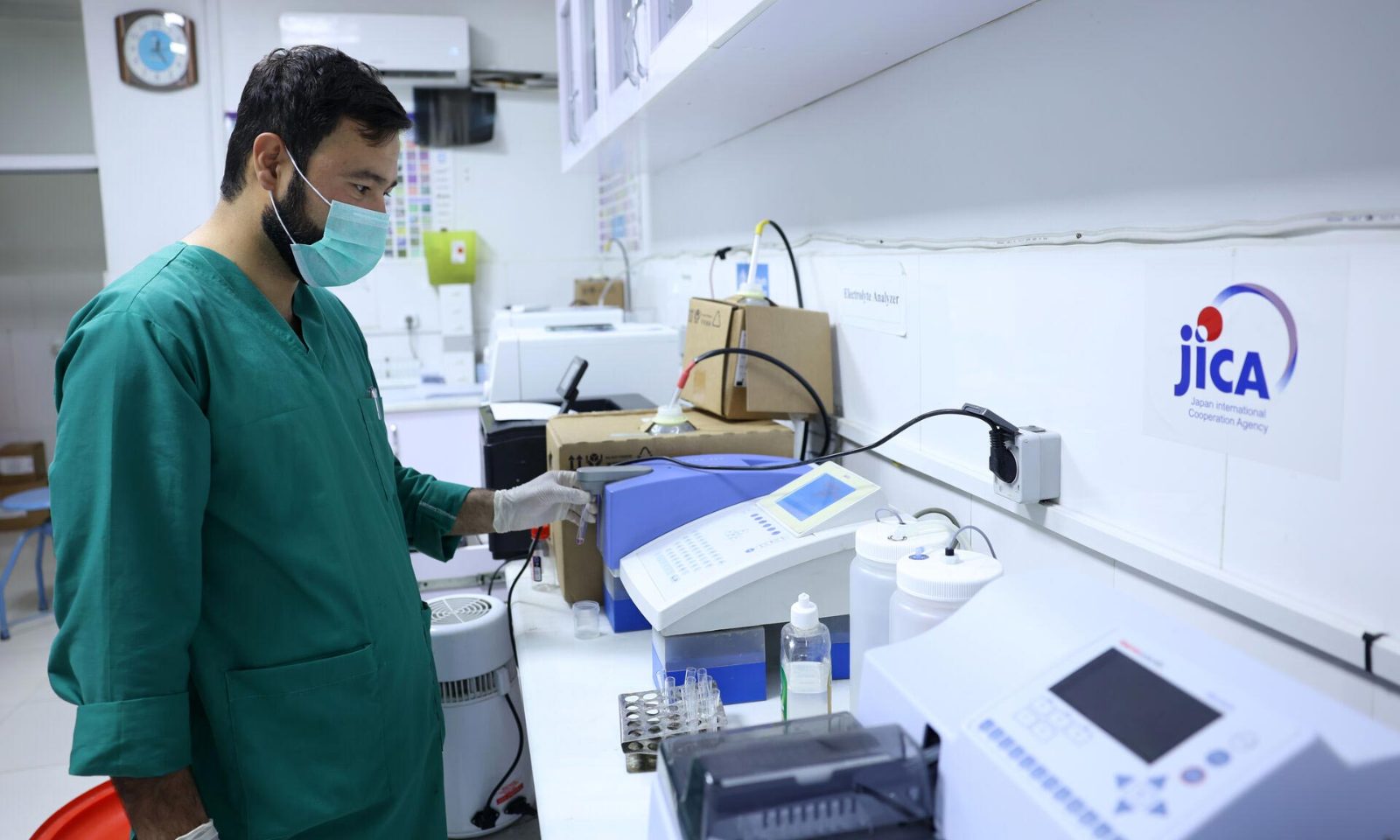
3 September 2026 | Cairo, Egypt — The World Health Organization (WHO) Regional Office for the Eastern Mediterranean has called for stronger cybersecurity measures to protect patients, health services and critical health infrastructure as health systems become increasingly dependent on digital technologies. The call was made during a regional webinar on “Cybersecurity in Health Care: Strengthening Health Security through Regional Partnerships,” organized by the WHO Regional Office in collaboration with the International Telecommunication Union (ITU) and the United Nations Office on Drugs and Crime (UNODC).
The webinar highlighted that cybersecurity is no longer solely an information technology concern, as cyberattacks can disrupt electronic health records, laboratory and diagnostic systems, emergency services and connected medical devices, potentially delaying treatment and putting patient safety at risk. The event brought together 346 participants from around the world, including representatives from ministries of health, government institutions, health facilities, emergency services, cybersecurity agencies and the information technology sector.
Growing exposure to cyber threats The increasing use of electronic health records, telemedicine, cloud platforms, artificial intelligence, digital surveillance and connected medical devices is transforming the delivery of health care while creating new vulnerabilities. Cyberattacks, particularly ransomware, can disrupt essential services, compromise sensitive health information and threaten continuity of care.
Experts stressed that cyber incidents affecting health facilities should be treated as health emergencies requiring coordinated preparedness and response, rather than isolated IT problems. WHO experts from the Health Security and Preparedness, Information Technology and Information Systems, and Digital Health units presented approaches to improving cybersecurity preparedness, including tools for assessing readiness, identifying vulnerabilities and supporting rapid response to cyber incidents. Participants also discussed measures for maintaining essential services during cyber disruptions, including tested downtime procedures, secure paper-based contingency arrangements, incident response plans and regular simulation exercises.
Partnerships key to building resilience The webinar underscored the need for stronger cooperation between health authorities and national cybersecurity agencies, telecommunications regulators, law enforcement agencies, emergency response teams, technology providers and other stakeholders. The ITU highlighted the importance of strengthening national cybersecurity capacity across legal, technical, organizational, capacity-building and cooperation areas. UNODC, meanwhile, emphasized the growing sophistication of cybercrime and ransomware attacks and called for closer collaboration between health, cybersecurity and law enforcement authorities.
Moving from awareness to action Participants identified joint training, training-of-trainers programmes and realistic cyber simulation exercises as key opportunities for strengthening regional cooperation. They also stressed the need to integrate cybersecurity into national digital health strategies, health emergency preparedness plans and investments in digital infrastructure from the outset.
Future exercises are expected to test how health facilities respond to scenarios such as ransomware attacks, including maintaining essential patient care, recovering data, preserving digital evidence and communicating effectively with health workers and the public.
The webinar concluded with a call for countries to move from awareness to practical preparedness by assessing cybersecurity maturity, strengthening incident response and reporting mechanisms, conducting regular simulation exercises, and sharing information on emerging threats and lessons learned.
Founder & Chief Editor
Founder and Chief Editor of Osmara Digital Media. Journalist and historian telling Africa's stories through an African lens, from West Nile to the continent.
Related stories

WHO and Gulf CDC Strengthen Partnership to Boost Health Security Across the Gulf
Africa’s Health Workers Are Leaving: Who Will Treat the Continent’s Growing Population?

Ghana Health Workers Lead HPV Vaccination Drive to Protect Girls Against Cervical Cancer