
Africa in Focus: Sudan's History of Military Coups Since Independence
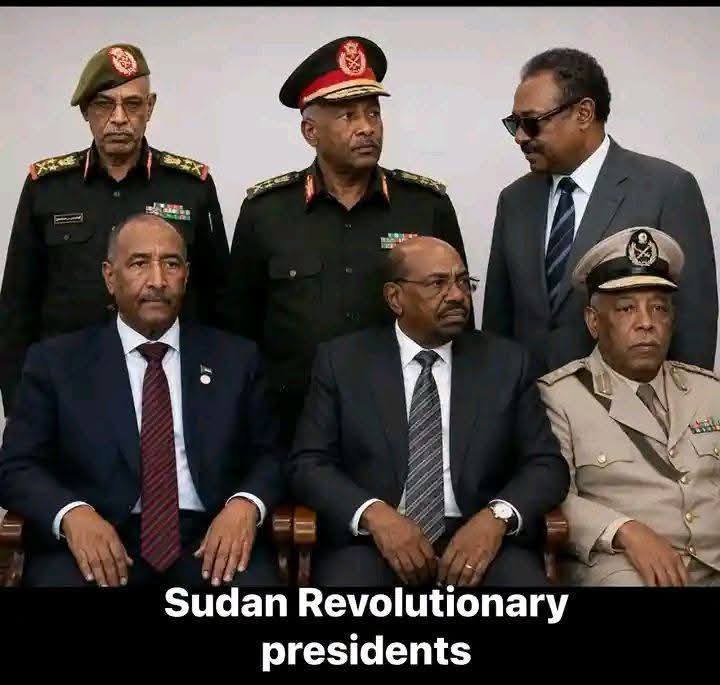
Since independence in 1956, Sudan has endured repeated military coups that have reshaped its political history.
Founder & Chief Editor · 28 July 2026 · 2 min read
Osmara Digital Media-Africa in Focus
Since gaining independence from Anglo-Egyptian rule on 1 January 1956, Sudan has experienced repeated military coups that have shaped the country's political landscape. The struggle between civilian governments and military leaders has defined much of Sudan's post-independence history, contributing to decades of political instability, conflict, and interrupted democratic transitions.
17 November 1958 – General Ibrahim Abboud
Sudan's first military coup came just two years after independence when General Ibrahim Abboud overthrew the civilian government of Prime Minister Abdullah Khalil. The military dissolved parliament, suspended the constitution, banned political parties, and established direct military rule.
25 May 1969 – Colonel Gaafar Mohamed Nimeiri
Colonel Gaafar Mohamed Nimeiri, backed by a group of left-leaning military officers, seized power in a largely bloodless coup that ousted Prime Minister Muhammad Ahmad Mahgoub's civilian government. Nimeiri introduced socialist and Arab nationalist policies, abolished political parties, and ruled Sudan for nearly 16 years.
6 April 1985 – Abdel Rahman Swar al-Dahab
Amid widespread protests, economic hardship, and a nationwide general strike, Defence Minister Abdel Rahman Swar al-Dahab led the military in removing President Nimeiri while he was abroad. A Transitional Military Council took control before peacefully handing power to an elected civilian government following the 1986 elections.
30 June 1989 – Brigadier Omar Hassan al-Bashir
Brigadier Omar Hassan al-Bashir, supported by the National Islamic Front led by Hassan al-Turabi, overthrew the democratically elected government of Prime Minister Sadiq al-Mahdi. The coup marked the beginning of nearly three decades of authoritarian military-Islamist rule under al-Bashir.
11 April 2019 – Military Ousts Omar al-Bashir
Following months of mass anti-government demonstrations, the Sudanese Armed Forces removed President Omar al-Bashir after nearly 30 years in power. A Transitional Military Council assumed authority before agreeing to a power-sharing arrangement with civilian leaders under the Transitional Sovereignty Council.
25 October 2021 – General Abdel Fattah al-Burhan
General Abdel Fattah al-Burhan, head of the Transitional Sovereignty Council, dissolved the civilian-military transitional government, declared a state of emergency, detained Prime Minister Abdalla Hamdok and other civilian officials, and effectively ended Sudan's democratic transition that had begun after the 2019 revolution.
Sudan's post-independence history reflects one of Africa's longest cycles of military intervention in politics. Repeated coups have disrupted democratic governance, weakened state institutions, and fuelled prolonged conflict and economic challenges across the country.
Source: Nation Mirror (adapted by Osmara Digital Media
Founder & Chief Editor
Founder and Chief Editor of Osmara Digital Media. Journalist and historian telling Africa's stories through an African lens, from West Nile to the continent.
Related stories
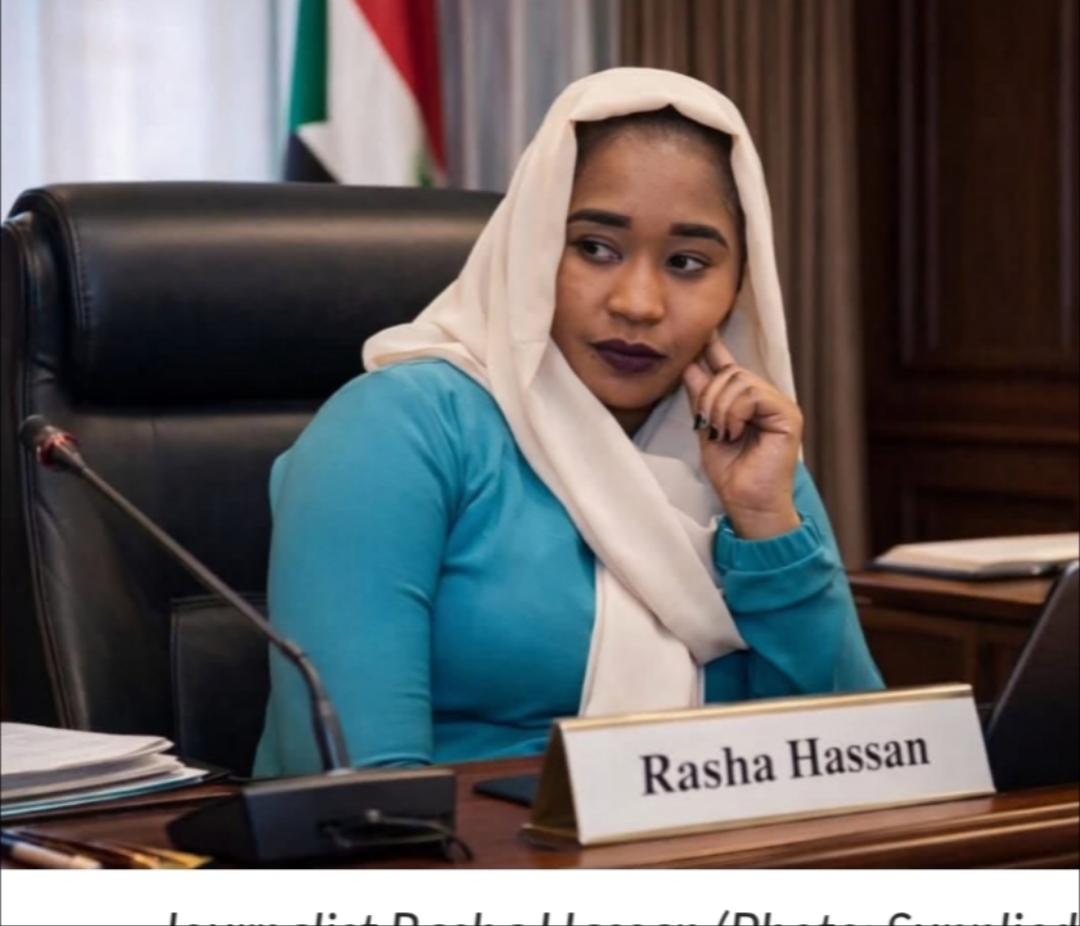
Sudanese Journalist Rasha Hassan Detained Over Report on School Fees
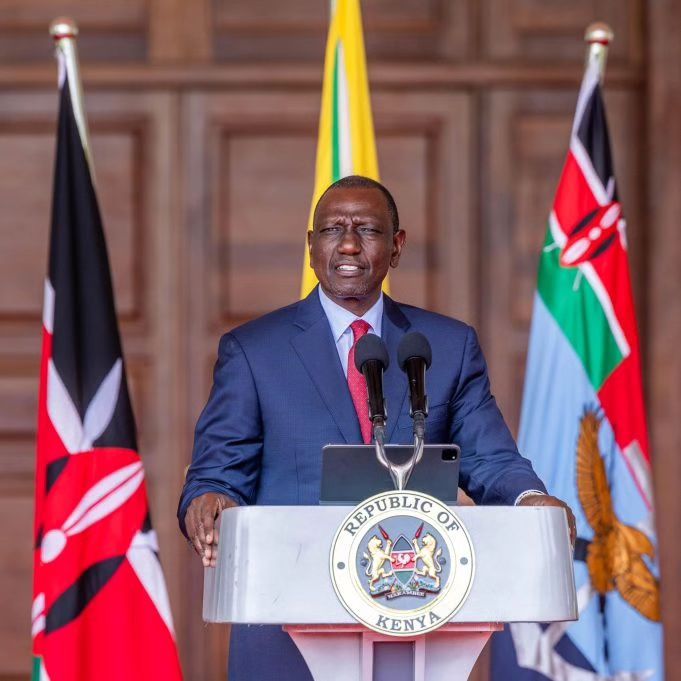
Kenya President Ruto Announces Plan to Scrap 25% Mobile Phone Import Duty
Osmara Digital Media Connects African Regions Through a Growing Continental News Network