Uganda and Russia Strengthen Dialogue on Energy and Nuclear Cooperation
Uganda and Russia are exploring expanded cooperation in energy, nuclear technology, trade and skills development as the two sides consider long-term partnerships to support energy security and industrialisation.
Founder & Chief Editor · 8 October 2026 · 4 min read
Osmara Digital Media
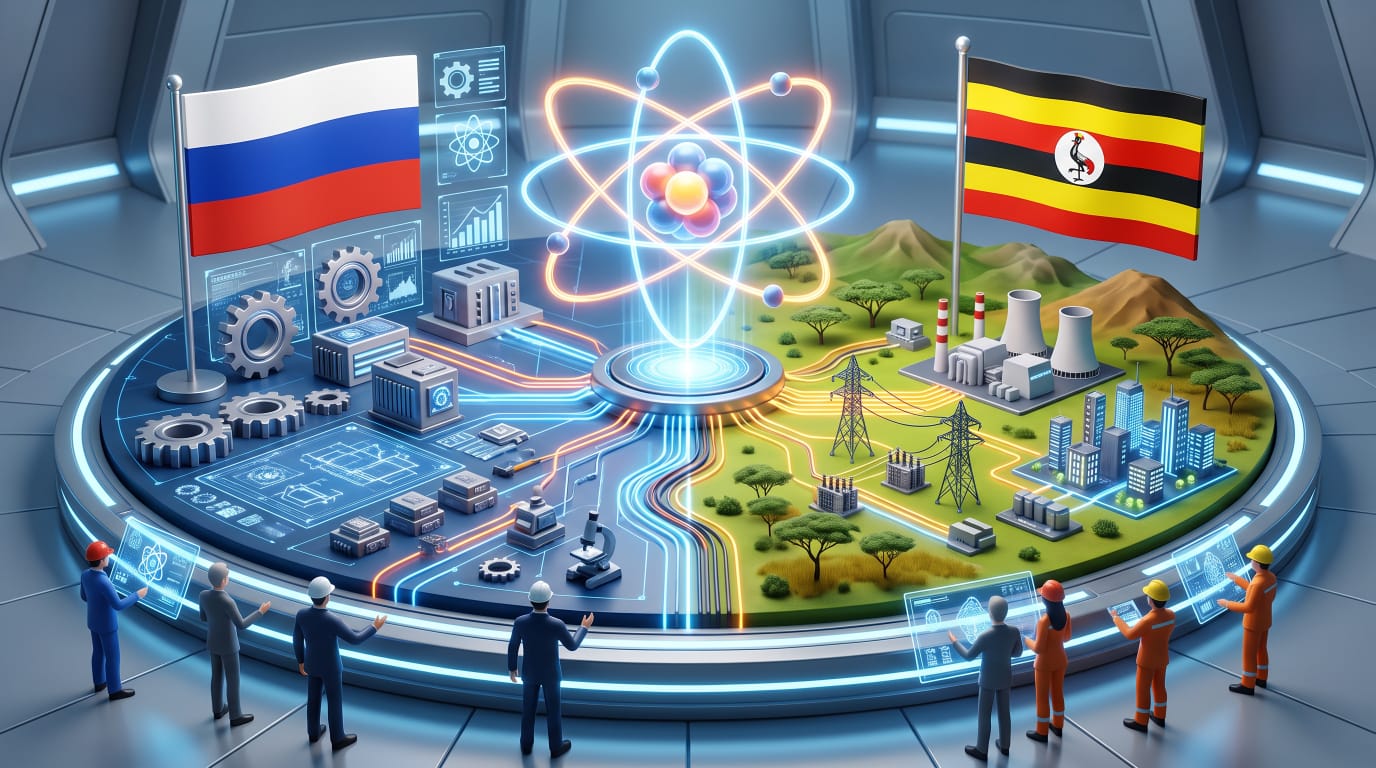
Kampala, Uganda | October 8, 2026 Uganda and Russia are exploring opportunities to deepen cooperation in the energy sector, including a proposed 7,200-megawatt nuclear power project, as the two countries consider longer-term collaboration in technology, trade, skills development and industrialisation.
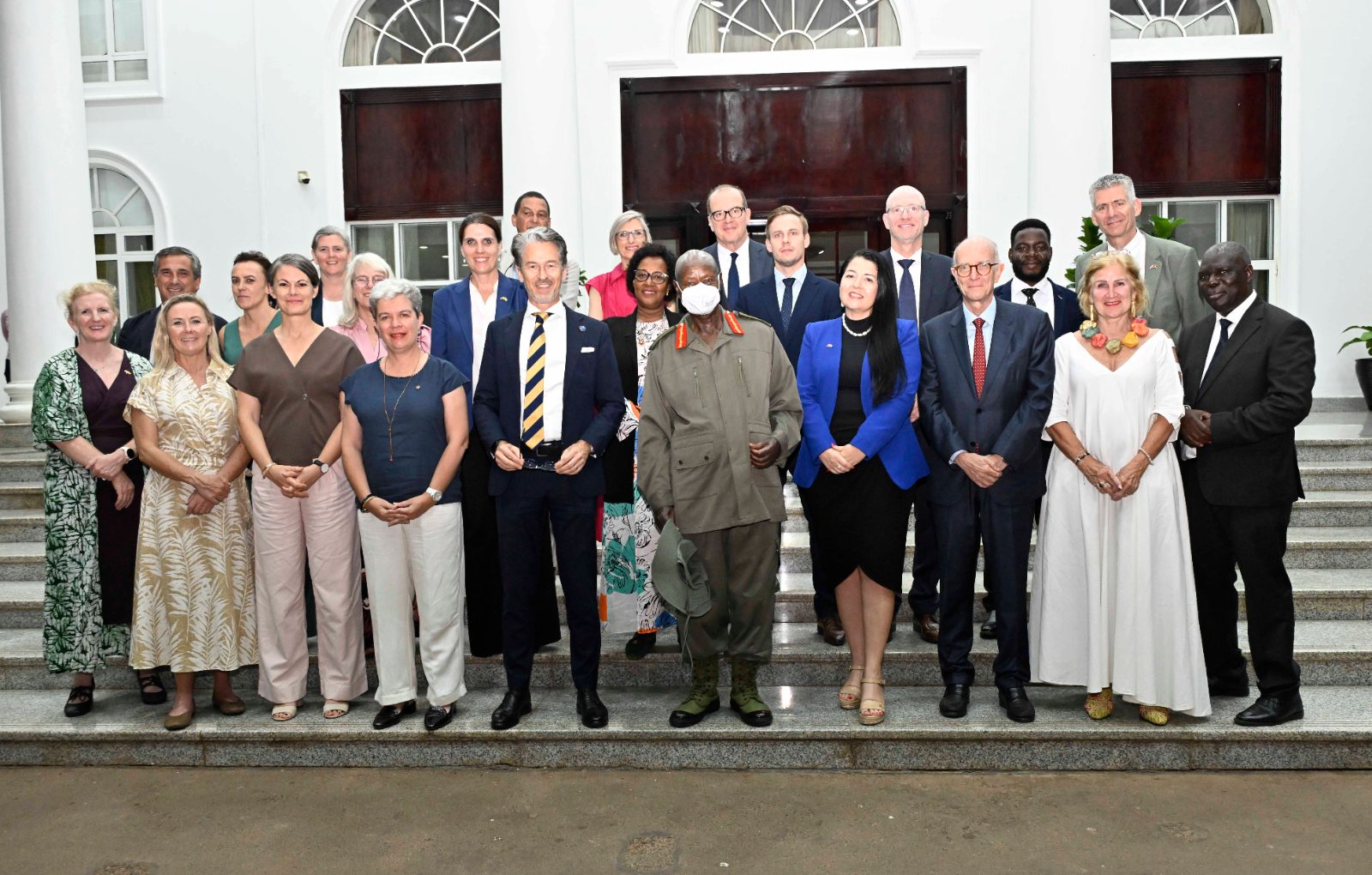
The discussions took place on October 7, 2026, during a round-table dialogue on Russian-Ugandan relations at the premises of New Vision in Kampala. The engagement brought together government officials, energy specialists, researchers and representatives of Russian and regional institutions to exchange views on potential areas of partnership. The session was attended by Russian Chargé d’Affaires ad interim Sergey Lobanov and Damalia Noel Abbo Ofumbe, a senior energy specialist at Uganda’s Ministry of Energy and Mineral Development. Other participants included Denis Degteev, Professor and Chief Research Fellow at the Institute of Africa of the Russian Academy of Sciences; Elsie Pule, Chief Coordinator of the BRICS Nuclear Platform and Director of Special Projects at Rosatom in Central and Southern Africa; and Herbert Kafiro, Deputy Executive Director of the Southern and Eastern Africa Trade Information and Negotiations Institute (SEATINI).
The dialogue covered energy security, nuclear power, oil and gas, electrification, trade and human-resource development. Participants underscored the importance of longer-term production partnerships, technology transfer and the development of local technical expertise.
Uganda outlines nuclear power plans
Opening the dialogue, Lobanov recalled that diplomatic relations between the Soviet Union and Uganda were established on October 13, 1962, shortly after Uganda gained independence. He noted the longstanding ties between the two countries and said the Soviet Union was among the first major powers to recognise Uganda’s sovereignty and independence.
Lobanov also referred to engagement between Rosatom and Uganda’s Ministry of Energy and Mineral Development, expressing hope that discussions on the peaceful applications of nuclear technology would continue to progress.
He said the forthcoming Russia-Africa summit in Moscow could provide another opportunity to advance dialogue in areas including energy, trade, science and technology. Ofumbe outlined Uganda’s long-term energy plans under the 2023 Energy Policy, which envisages electricity generation capacity of 52,000 megawatts by 2040, including approximately 24,000 MW from nuclear power.
She said Uganda is pursuing a diversified energy mix, including hydropower and solar, while nuclear power is being considered as part of efforts to strengthen the country’s long-term electricity supply. According to Ofumbe, potential locations for a nuclear power plant have been identified at Buende, Nakasongola, Lamu and Kihura.
Discussions with Rosatom are continuing, while a site assessment in Nakasongola is planned.
The proposed facility would have a capacity of 7,200 MW, comprising six reactors of approximately 1,200 MW each and using Russian technology.
Ofumbe said a roadmap for the project had recently been signed. Uganda and Russia previously signed a memorandum of understanding in 2017, followed by an intergovernmental agreement in Vienna in 2019.
The feasibility study is expected to be completed by 2030, while the first unit is envisaged for commissioning between 2035 and 2038, subject to the necessary studies, regulatory processes and project-development stages.
Ofumbe emphasised that nuclear technology could have applications beyond electricity generation. She pointed to areas including cancer diagnosis and treatment, food safety and the diagnosis of animal diseases.
She also highlighted knowledge transfer and human-resource development as important considerations, noting that Uganda would need to develop the technical capacity required to operate and maintain the facilities over their operational lifespan.
Broader economic and regional opportunities
Degteev said Russia’s engagement with Africa was increasingly placing emphasis on longer-term production partnerships alongside trade. He cited the development of the El-Dabaa nuclear power plant in Egypt as an example of growing cooperation in the field on the continent.
He also highlighted opportunities for regional energy cooperation within the East African Community, noting the region’s oil and gas resources and the potential for greater local refining and regional supply.
Kafiro described energy as an important component of national economic security and industrial policy. He noted that Uganda’s industrialisation objectives would require reliable and adequate electricity supplies.
He also called for greater value addition in Uganda’s trade relations with Russia, noting that Uganda exports commodities such as coffee and tea while importing products including machinery and wheat.
Kafiro encouraged broader engagement involving government institutions, farmers and the private sector to explore opportunities for value-added exports, domestic production and employment creation.
The dialogue concluded with calls for continued engagement and practical collaboration in energy, nuclear technology, trade, skills development and industrialisation. Lobanov thanked the participants and said similar engagements could contribute to identifying additional areas of collaboration, strengthening mutual understanding and promoting mutually beneficial relations between Uganda and Russia.
The discussions were held ahead of the third Russia-Africa summit, scheduled for October 28–29, 2026, in Moscow. Energy, digital technologies, artificial intelligence and independent payment systems are among the areas expected to feature on the summit agenda.
Founder & Chief Editor
Founder and Chief Editor of Osmara Digital Media. Journalist and historian telling Africa's stories through an African lens, from West Nile to the continent.
Related stories
KYABAZINGA MOBILISES BUSOGA LEADERS TO TACKLE TEENAGE PREGNANCY AND POVERTY
Government to Advance UGX 175 Billion to Complete Hoima–Busunju Road Ahead of AFCON 2027
UMSC Distributes Tablets to Muslim Leaders to Strengthen Communication