
The Rise and Fall of West Nile's Tobacco Empire
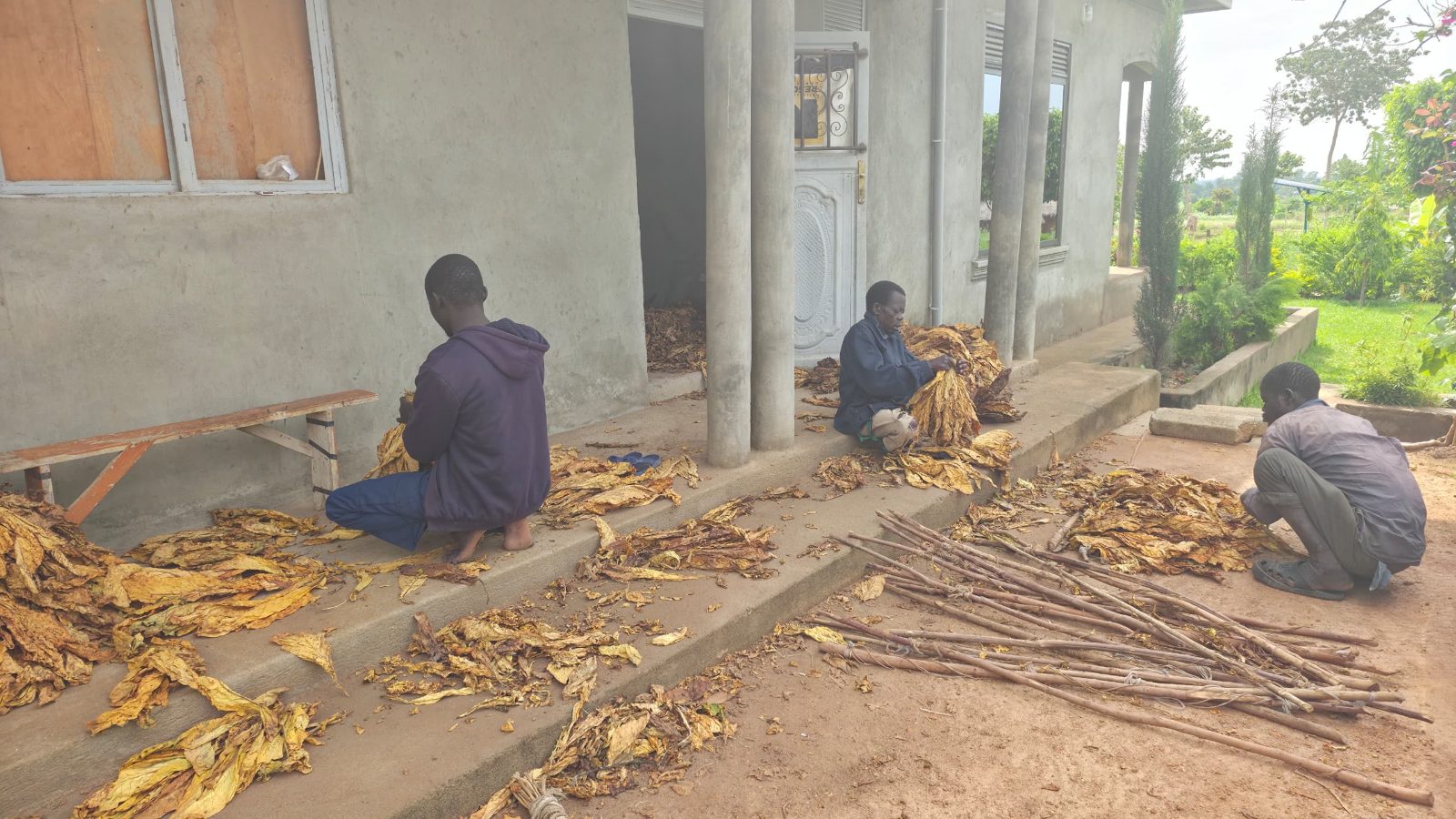
Workers still rely on the seasonal tobacco trade, earning daily wages as they sort, grade and bundle dried leaves—a fragile livelihood facing a changing agricultural future.

Founder & Chief Editor · 1 August 2026 · 3 min read
By Osman Draga | Osmara Digital Media – West Nile in Focus
There was a time when tobacco was more than a crop in West Nile region—it was the heartbeat of the economy. From Arua to Maracha, Yumbe, Koboko, Terego, Madi Okollo, and parts of Nebbi almost every household had a tobacco garden. During harvest seasons, villages buzzed with activity as families worked tirelessly to pick, cure, grade and bundle leaves for buyers. Tobacco paid school fees, built permanent homes, bought bicycles and motorcycles, and transformed thousands of lives.
To many, it was the "golden leaf." But today, the tobacco barns stand empty, buying centres are silent and many young people have never experienced the crop that once dominated West Nile's economy.
So, what happened? When Tobacco Ruled West Nile For decades, tobacco was the region's most valuable cash crop. International companies contracted farmers, supplied seeds and fertilizers, and guaranteed markets. Every harvest brought excitement as buyers competed for quality leaves. Entire communities depended on tobacco. Carpenters built curing barns, transporters hauled tobacco to collection centres, traders sold food to seasonal workers and local businesses flourished whenever tobacco payments arrived. The crop became the economic engine that powered West Nile for generations.
The Crop That Demanded Everything Unlike many crops, tobacco required relentless labour. Every leaf had to be planted, weeded, harvested, cured, sorted and graded by hand. Families woke before sunrise and often worked until late at night. During peak seasons, nearly every member of the household was involved. Women carried much of the grading and sorting work, while children often helped after school and during holidays.
Growing tobacco was not simply farming—it was a full-time commitment.
The Hidden Cost Nobody Counted While tobacco brought prosperity, it was quietly consuming another priceless resource—West Nile's forests.
Curing tobacco required enormous amounts of firewood. Across the region, countless trees were cut to feed curing barns. Forests that once protected rivers, wildlife and farmland steadily disappeared. Bare hills replaced thick woodland. Streams that had flowed throughout the year became seasonal. Wildlife habitats shrank. Soils became more vulnerable to erosion. The environmental price of tobacco was largely ignored while the money continued to flow. When Nature Began Fighting Back
As forests disappeared, farmers began noticing something alarming. The rains no longer arrived when expected. Dry seasons grew longer. Temperatures became hotter. Water sources that communities depended on started drying up. Fields that once produced healthy crops began yielding less.
Ironically, tobacco—a crop that depended on stable weather—had become part of an environmental cycle that made farming increasingly difficult. Today, climate change is one of the greatest challenges facing agriculture across West Nile, and many communities believe the loss of forests accelerated the crisis. Why the Tobacco Empire Collapsed Nature was only part of the story. Global tobacco markets changed. Production costs continued rising. Some tobacco companies reduced operations or left parts of West Nile altogether.
At the same time, farmers became frustrated by declining profits, increasing input costs and uncertain markets. Without dependable buyers, many families could no longer justify investing months of hard work in a crop that no longer guaranteed a decent income. One by one, tobacco gardens disappeared. The once-crowded buying centres that attracted thousands of farmers every season slowly fell silent. Some became ordinary shops. Others were abandoned altogether.
A Legacy That Still Lives Although tobacco has largely disappeared from West Nile's fields, its legacy remains visible. Many of the permanent homes built during the tobacco boom still stand. Thousands of professionals who were educated using tobacco earnings continue serving Uganda as teachers, doctors, civil servants, entrepreneurs and community leaders. Yet the region also lives with another inheritance—reduced forest cover, degraded landscapes and the growing effects of climate change. West Nile's tobacco story is therefore one of remarkable success and painful lessons.
It proved that agriculture can transform communities, but it also showed that prosperity built at the expense of nature is difficult to sustain.
The golden leaf may have faded from West Nile's farms, but its story remains one of the most powerful chapters in the region's history—a reminder that every harvest has a price, and every generation must decide whether that price is worth paying.
Founder & Chief Editor
Founder and Chief Editor of Osmara Digital Media. Journalist and historian telling Africa's stories through an African lens, from West Nile to the continent.
Related stories
Koboko Cocoa Cooperative Brings West Nile Farmers Together for Three-Day Training
West Nile Cocoa Future Begins at Jabara: Farmers Trained to Turn the ‘Green Gold’ into Household Income

The Journey to School: Kanungu’s Children and the Risks Beyond the Classroom