NATO and Moldova Reaffirm Commitment to Security and Defence Cooperation
NATO and Moldova reaffirm more than three decades of partnership, highlighting defence capacity-building, cybersecurity cooperation and Moldova’s contributions to Euro-Atlantic security.

Founder & Chief Editor · 9 October 2026 · 2 min read
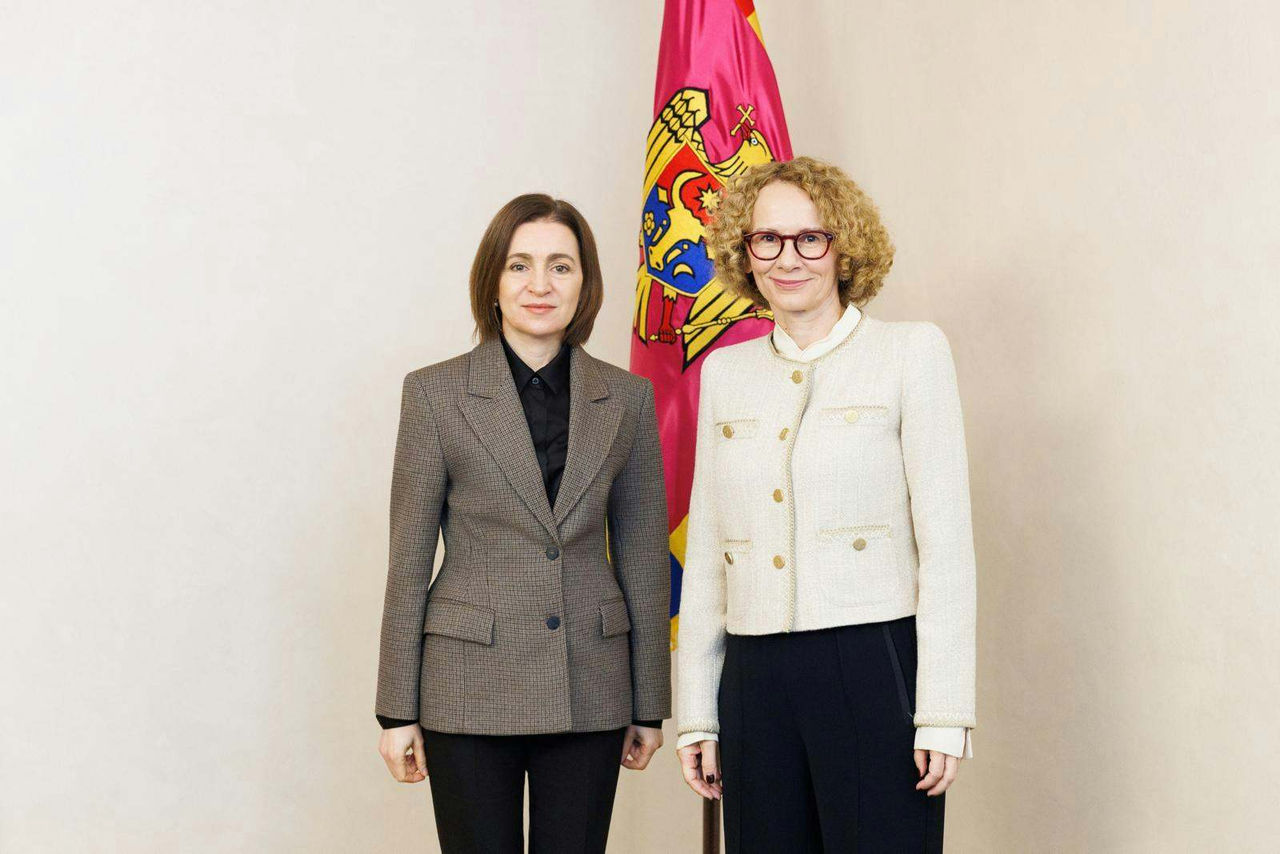
CHISINAU, Moldova | October 9, 2026 — The North Atlantic Treaty Organization (NATO) and the Republic of Moldova have reaffirmed their longstanding partnership, with discussions focusing on defence capacity, cybersecurity, national resilience and contributions to Euro-Atlantic security.
The discussions took place during a two-day visit to Moldova on October 8 and 9 by NATO Deputy Secretary General Radmila Shekerinska, who met President Maia Sandu, Deputy Prime Minister and Minister of Foreign Affairs Mihai Popșoi, Minister of Defence Anatolie Nosatîi and other senior government officials.
The meetings provided an opportunity to review progress in NATO–Moldova relations and explore areas of continued cooperation in strengthening the country's defence institutions and resilience. “NATO and Moldova have had a fruitful partnership for over 30 years,” Shekerinska said, highlighting the importance of political dialogue and practical cooperation in advancing the relationship.
She referred to the recent visit by NATO's Political Committee in August, which coincided with Moldova's 35th anniversary of independence, as an example of the ongoing political engagement between the two sides. Shekerinska also highlighted NATO's support for Moldova's defence capacity, noting that approximately €50 million had been delivered through NATO's Defence Capacity Building package.
The assistance includes more than €12 million worth of modern body armour and helmets, over €7 million for safe ammunition storage, and more than €4 million in information technology equipment and software to strengthen protection against cyberattacks.
Additional cooperation has supported the development of a cyber-defence facility at the Technical University of Moldova and the establishment of a cyber-response team within the Moldovan Armed Forces. Beyond institutional support, Shekerinska emphasised that the partnership is reciprocal, recognising Moldova's contributions to wider Euro-Atlantic security.
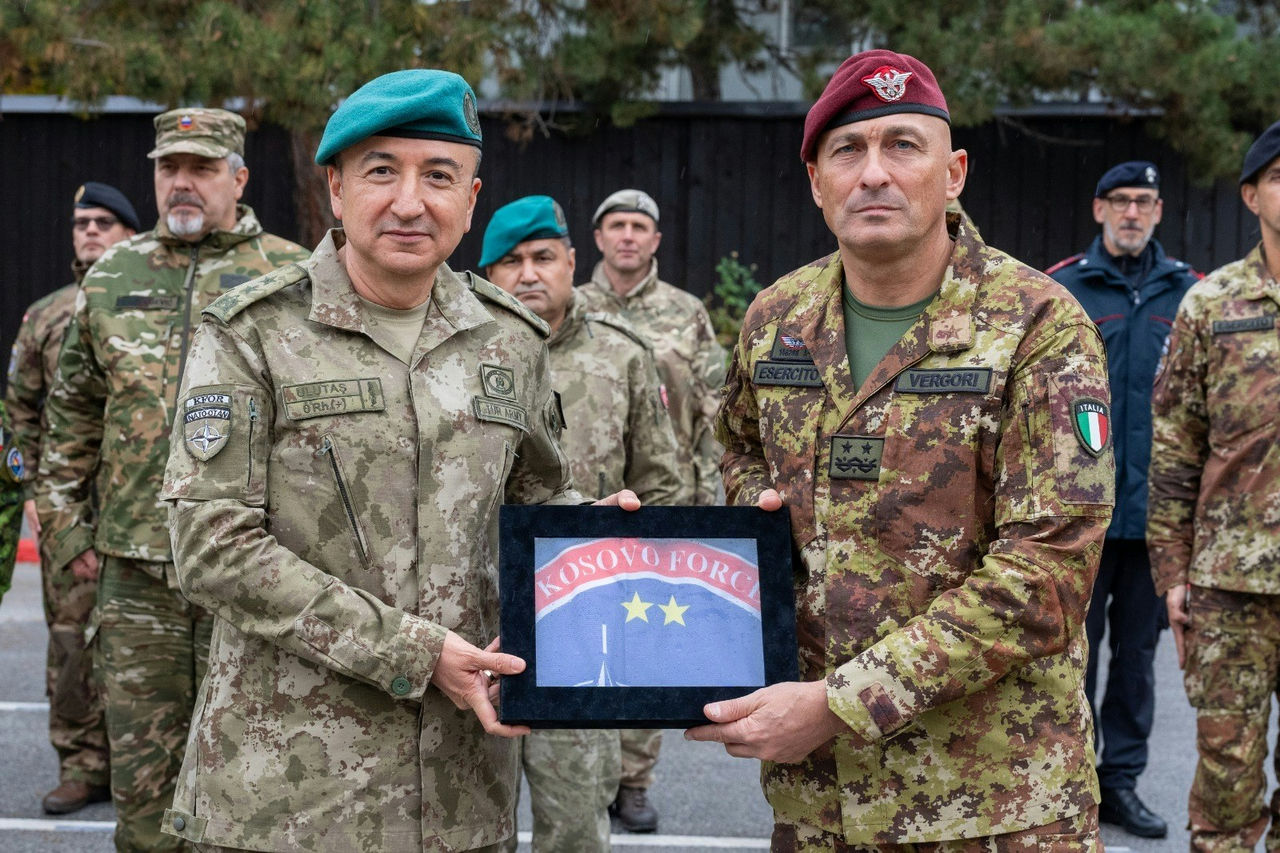
She highlighted Moldova's experience in responding to hybrid threats and its deployment of military personnel to the NATO-led Kosovo Force (KFOR), which supports the maintenance of a safe and secure environment for all communities in Kosovo under its longstanding United Nations mandate.
During her visit, the NATO Deputy Secretary General also delivered a keynote address at the 2026 Moldova Security Forum, where she recognised the country's efforts to address external interference and intimidation. “For years, Moldova has stood firm against interference and intimidation from Russia, with ingenuity and grit. That is what resilience is all about,” she said.
The visit underscored the continued importance of political dialogue, practical defence cooperation and institutional capacity-building in NATO's partnership with Moldova, as both sides seek to strengthen resilience and contribute to regional and Euro-Atlantic security.
Founder & Chief Editor
Founder and Chief Editor of Osmara Digital Media. Journalist and historian telling Africa's stories through an African lens, from West Nile to the continent.
Related stories
NATO, Mauritania Strengthen Partnership Amid Growing Sahel Security Challenges
NATO Chief Reaffirms Alliance Commitment to Estonia’s Security During Tallinn Visit
WFTU Backs Global Dockworkers’ Action Against War and Militarisation