
How Bidi Bidi Is Transforming Yumbe’s Economy
Bidi Bidi is transforming from a refugee settlement into a growing business hub, creating opportunities, jobs and economic growth for Yumbe communities.

Founder & Chief Editor · 5 August 2026 · 2 min read
By Osmara Digital Media | Yumbe in Focus
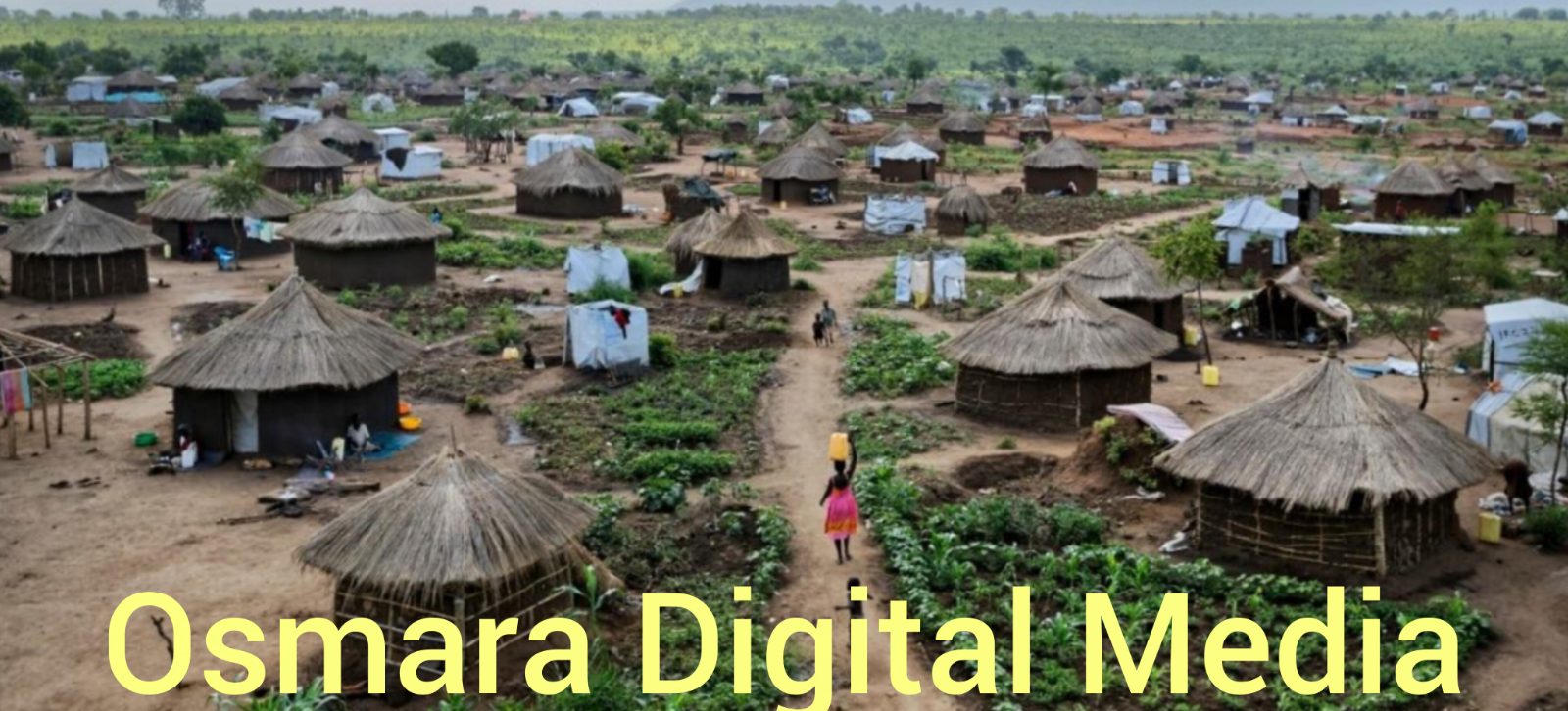
The name Bidi Bidi in Yumbe district has been known globally as one of the world’s largest refugee settlements, a symbol of Uganda’s humanitarian response to people fleeing conflict in South Sudan.
But beyond the headlines of refugee numbers and humanitarian aid, a different story is emerging — the rise of a new economic centre that is reshaping the future of Yumbe District.
Around Bidi Bidi, a growing network of businesses has developed, creating opportunities not only for refugees but also for the host communities that have lived alongside them. From small shops and restaurants to transport services, agriculture, rental houses and mobile money businesses, the settlement has become a marketplace connecting thousands of people every day.
A New Economy Around Bidi Bidi When refugees arrived in large numbers after conflict intensified in South Sudan, Yumbe faced enormous pressure on land, resources and public services.
However, over time, the settlement also created new economic opportunities. Local traders began supplying food, household goods, construction materials and services. Young people started motorcycle transport businesses, while women established small enterprises selling food, crafts and agricultural products. For many residents, Bidi Bidi has become more than a refugee settlement — it is now part of Yumbe’s economic landscape.
Refugees Becoming Entrepreneurs
While many people associate refugee settlements with dependency, thousands of refugees in Bidi Bidi have become entrepreneurs. Some operate small retail shops, tailoring businesses, farms and service enterprises.
Through skills training and support programmes, some refugees have gained skills in areas such as tailoring, carpentry, mechanics and agriculture, allowing them to create sources of income. Their businesses also serve the wider community, creating a local economy where refugees and host communities depend on each other.
Opportunities for Host Communities
For Yumbe residents, the growth around Bidi Bidi has brought both challenges and opportunities. Local landlords have found new demand for housing, farmers have gained nearby markets for their produce, and traders have expanded their customer base. Transport operators have also benefited from increased movement between trading centres, villages and settlement zones. However, some residents argue that more opportunities should reach local youth and entrepreneurs through investment, training and access to finance.
The Future of Yumbe’s Economy
As humanitarian organisations gradually shift focus from emergency response to sustainable development, attention is turning towards building stronger local economies where Yumbe’s future could depend on transforming the energy, skills and entrepreneurial spirit created around Bidi Bidi into long-term economic growth.
With its young population, agricultural potential, proximity to South Sudan and growing business networks, Yumbe has the ingredients to become one of West Nile’s emerging economic centres.
The story of Bidi Bidi is no longer only about displacement. It is becoming a story of resilience, enterprise and transformation. From a place that welcomed people fleeing war, Yumbe is slowly becoming a place where new economic dreams are being built.
Founder & Chief Editor
Founder and Chief Editor of Osmara Digital Media. Journalist and historian telling Africa's stories through an African lens, from West Nile to the continent.
Related stories

Ghana Merit Awards 2026 Honour West Nile’s Own Benard Feni and Mungu Feni Foundation
Kirunda Calls for Investment in Coffee, Cocoa Value Addition and Agro-Tourism to Drive Busoga’s Economic Transformation
RDC Secretariat, Anti-Corruption Unit Warn Iganga Leaders: ‘No More Sleep, No More Corruption’