
West Nile's Local Chicken Business: Can Indigenous Poultry Become a Major Income Source?
Former Maracha East parliamentary candidate Asau Sunday is promoting commercial indigenous chicken farming as a potential source of household income and economic empowerment in West Nile.

Founder & Chief Editor · 28 October 2026 · 4 min read
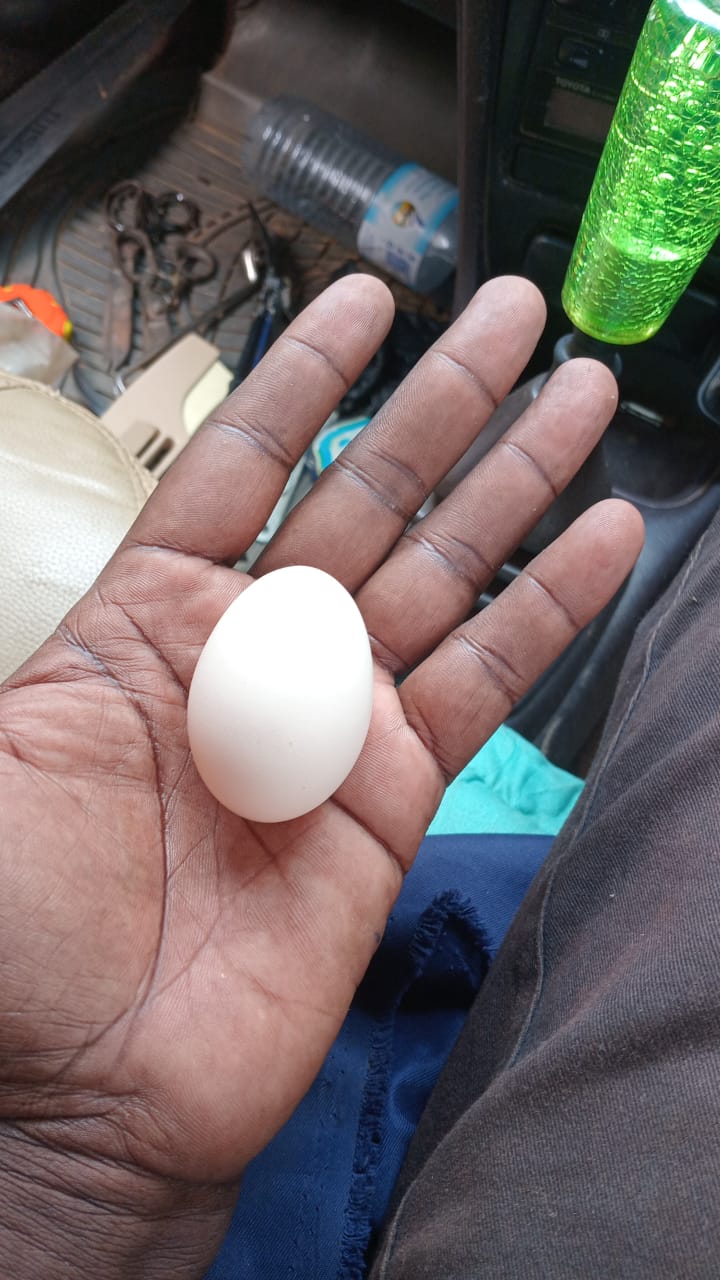
By Osmara Digital Media
WEST NILE, UGANDA — Indigenous chicken farming could become a significant source of household income in West Nile if farmers move beyond traditional backyard rearing and adopt more organised, commercially oriented production methods.
Across rural communities in the sub-region, local chickens remain an important part of household livelihoods, providing eggs, meat and income when birds are sold to meet family needs, including school fees, medical bills and other essential expenses.
However, the potential of indigenous poultry to support larger-scale income generation depends on whether farmers can overcome production challenges, improve management practices and access reliable markets.
From Backyard Rearing to Commercial Business Traditionally, many households in West Nile keep indigenous chickens under free-range systems, allowing the birds to roam around homesteads in search of food.
Although this approach requires relatively little investment, it can limit productivity when farmers lack proper housing, supplementary feeding, vaccination and protection against predators.
Transforming local chicken farming into a commercial enterprise would require farmers to treat poultry keeping as a business rather than an occasional source of household income.
This could involve establishing secure poultry shelters, providing supplementary feeds, vaccinating birds against common diseases and keeping basic records of production costs, sales and profits.
Farmers could also improve their earnings by carefully selecting breeding stock and protecting chicks during their early stages of growth, when they are particularly vulnerable to disease and predators.
Who Stands to Benefit? Smallholder farmers, women and young people could benefit from a more organised indigenous poultry industry.
Unlike some agricultural enterprises that require substantial land, local chicken farming can begin on a relatively small scale. This makes it a potential entry point for households and young entrepreneurs with limited resources.
Women, who often play a major role in managing household poultry, could increase their financial independence by turning their existing skills into organised income-generating activities.
Young people could also explore opportunities in poultry production, chick rearing, feed supply, transportation, aggregation and the marketing of live birds and eggs. However, the scale of these opportunities would depend on access to affordable inputs, practical training, veterinary services and dependable buyers.
What Is Holding the Business Back?
Despite its potential, indigenous chicken farming faces several challenges that can reduce productivity and profitability.
Disease outbreaks, particularly Newcastle disease, can wipe out household flocks and discourage farmers from expanding production. Poor feeding, inadequate housing and limited access to veterinary services can also affect growth and survival rates.
Market organisation is another important consideration. Farmers who sell birds individually may struggle to negotiate favourable prices, especially when they have limited information about prevailing market rates.
Organising farmers into cooperatives or producer groups could help them pool their birds, negotiate with buyers and explore larger markets in trading centres and urban areas.
Access to financing would also be important for farmers seeking to expand their flocks, improve housing or purchase supplementary feeds. Where Are the Market Opportunities? Demand from households, restaurants, hotels, traders and consumers seeking traditional chicken dishes could provide opportunities for indigenous poultry producers.
However, farmers would need to establish consistent supplies, maintain healthy birds and understand the preferences of their target customers.
Collective marketing could help farmers meet larger orders, while simple business records would enable them to determine whether their operations are generating profits after accounting for feed, medication, labour, transport and other expenses.
Local governments, agricultural extension workers and farmer organisations could support this transition through training, vaccination campaigns, market information and links to potential buyers.
Can Indigenous Chicken Become a Major Income Source?
The answer depends on whether West Nile's poultry farmers can turn a familiar household activity into a well-managed commercial enterprise.
Indigenous chicken farming alone is unlikely to eliminate household poverty. Nevertheless, when combined with proper flock management, disease prevention, market access and sound financial planning, it could provide a supplementary income stream and create opportunities for small businesses.
For the sub-region to realise this potential, farmers, agricultural officers, development partners and private-sector buyers would need to work together to address the practical challenges affecting production and marketing.
The opportunity lies not simply in keeping more chickens, but in helping farmers produce healthy birds, reduce losses, understand their costs and sell consistently to profitable markets.
For households across West Nile, indigenous poultry could become more than a source of food or emergency cash. With the right support and business practices, it could develop into a more reliable component of rural livelihoods.
Osmara Digital Media | Africa in Focus
Founder & Chief Editor
Founder and Chief Editor of Osmara Digital Media. Journalist and historian telling Africa's stories through an African lens, from West Nile to the continent.
Related stories
Osmara Digital Media Explores Coffee Farming Potential at Kawanda to Boost West Nile Incomes

Nawandegeyi–Bukabooli Road Construction Begins, Bringing New Hope to Bunya East

MUSEVENI URGES EUROPEAN INVESTORS TO EXPAND PARTNERSHIPS IN UGANDA’S KEY ECONOMIC SECTORS