
Cocoa Crisis: The Future of Ghana’s Farming Communities
Ghana’s cocoa farmers face climate, cost, and market challenges threatening the future of the vital cocoa industry.

Founder & Chief Editor · 26 July 2026 · 3 min read
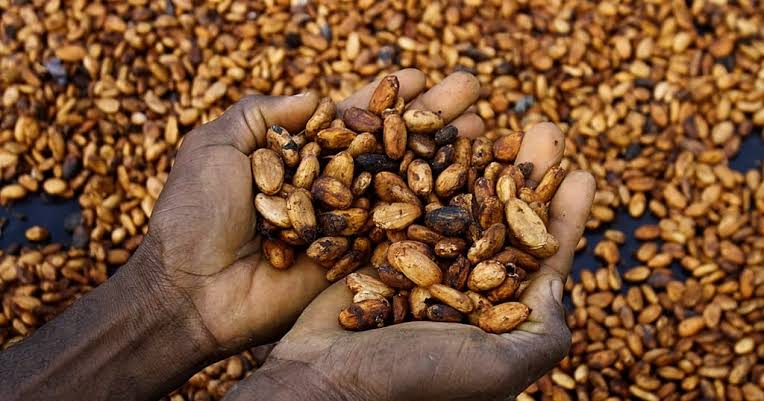
By Osmara Digital Media-Africa in focus
For generations, cocoa has been the backbone of Ghana’s agricultural economy, supporting millions of farmers and contributing significantly to export earnings. The country remains one of the world’s leading cocoa producers, with the crop deeply connected to rural livelihoods, communities, and national development. However, Ghana’s cocoa industry is facing increasing pressure. Climate change, ageing cocoa trees, illegal mining, rising production costs, and challenges in farmer incomes are threatening the future of one of West Africa’s most important agricultural sectors. Farmers Facing a Changing Climate Many cocoa-growing communities are experiencing unpredictable rainfall patterns, longer dry seasons, and rising temperatures. Cocoa trees require specific climate conditions, and changing weather has affected yields in some farming areas. Farmers are now adopting climate-smart agriculture practices, including planting shade trees, improving soil health, and replacing old cocoa trees with more resilient varieties. The Struggle for Better Farmer Incomes Despite cocoa’s importance on the global market, many smallholder farmers continue to face economic difficulties. Farmers often deal with high costs for fertilisers, pesticides, labour, and farm maintenance. Many communities argue that cocoa farmers deserve a larger share of the profits generated by the global chocolate industry. Improving farmer incomes remains central to encouraging young people to continue cocoa farming. Illegal Mining Threatens Cocoa Lands Illegal gold mining, locally known as galamsey, has become a major concern in some cocoa-growing regions. Mining activities have destroyed farmlands, polluted water sources, and reduced available land for cocoa production. Farmers and environmental groups have called for stronger action to protect agricultural areas. Ageing Farms and Declining Production Many cocoa farms in Ghana are made up of ageing trees that produce lower yields. Replanting programmes have been introduced to help farmers replace old plantations with improved cocoa varieties. However, some farmers face challenges during the transition period because newly planted cocoa trees take several years before producing significant harvests. The Role of Young Farmers The future of Ghana’s cocoa industry depends on attracting young people into agriculture. Many young Ghanaians are seeking opportunities outside farming, creating concerns about who will manage cocoa farms in the coming decades. Investment in technology, training, finance, and modern farming methods could help make cocoa farming more attractive to the next generation. Adding More Value to Cocoa Ghana has also been exploring ways to move beyond exporting raw cocoa beans by increasing local processing and chocolate production. Adding value within Ghana could create more jobs, increase income, and strengthen the country’s position in the global cocoa industry. A Future Built on Resilience Ghana’s cocoa story is not only about challenges but also about opportunity. With stronger support for farmers, climate adaptation, sustainable farming, and local processing, the sector can continue supporting communities for generations. The future of Ghana’s cocoa industry will depend on whether farmers receive the support needed to protect their farms and benefit more from the global demand for chocolate. Meta Title Ghana Cocoa Crisis and Future Meta Description Explore Ghana’s cocoa crisis, from climate change and farmer challenges to efforts to protect communities and secure the future of cocoa farming. Tags Ghana Cocoa, Cocoa Farmers, Agriculture, Climate Change, Farming, West Africa Economy Alt Text Ghana cocoa farmer working in a cocoa plantation Captions Ghanaian cocoa farmers are working to protect one of the country’s most important agricultural sectors. Climate change and rising costs are creating new challenges for cocoa-growing communities in Ghana. Cocoa remains a key part of Ghana’s economy and rural livelihoods.
Founder & Chief Editor
Founder and Chief Editor of Osmara Digital Media. Journalist and historian telling Africa's stories through an African lens, from West Nile to the continent.
Related stories

EU Council Agrees Position on New Agricultural Market Rules for 2028–2034

Osmara Digital Media Connects African Regions Through a Growing Continental News Network
Nawandegeyi–Bukabooli Road Construction Begins, Bringing New Hope to Bunya East