Botswana Faces Drought Threat as FAO Warns of Climate Shock
FAO warns that Botswana and Southern Africa face rising drought risks as El Niño threatens crops, livestock and food security.

Founder & Chief Editor · 27 July 2026 · 2 min read
Osmara Digital Media-Africa in focus
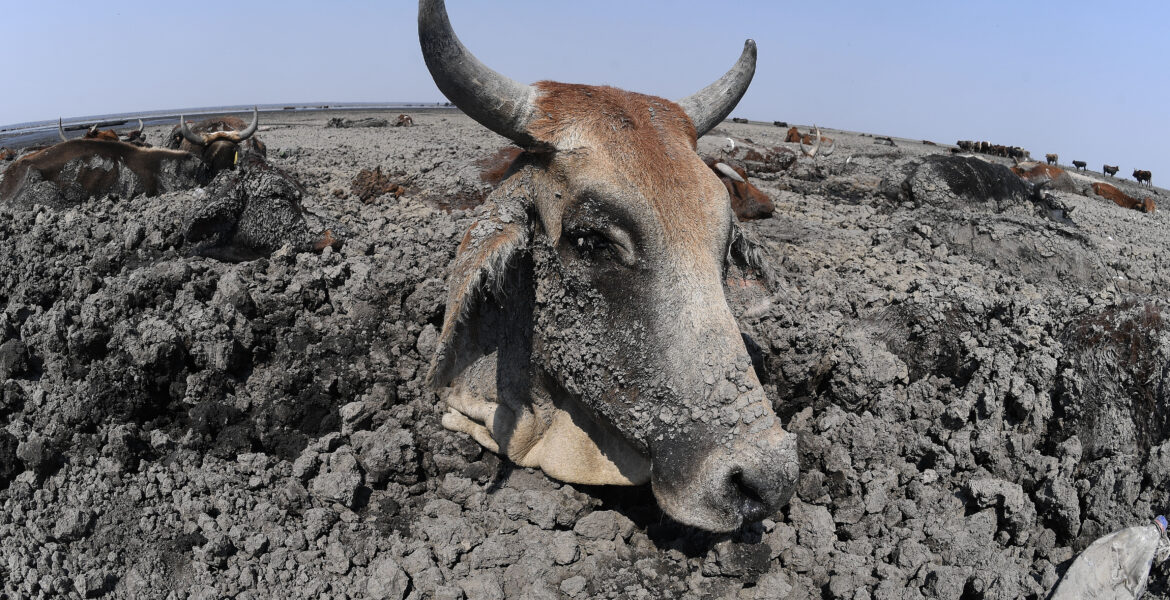
Botswana is facing a growing threat of severe agricultural drought as climate experts warn that a strengthening El Niño weather pattern could bring fresh challenges to farmers, livestock keepers and vulnerable communities. A new analysis by the Food and Agriculture Organization of the United Nations (FAO) has identified Botswana among countries at high risk of drought, with agricultural and pasture areas facing more than 50 percent probability of severe dry conditions in the coming months. The warning places Southern Africa at the centre of growing climate concerns, as repeated droughts continue to affect food production, water supplies and rural livelihoods. FAO’s assessment, based on 41 years of satellite data from its Agricultural Stress Index System (ASIS), shows that areas already affected by climate pressure remain highly vulnerable to another shock. For Botswana, where many rural households depend on rain-fed farming and livestock, drought could mean reduced harvests, loss of grazing land and declining household incomes. FAO said drought impacts are not only caused by lack of rainfall but also by economic pressures and limited ability of communities to recover from repeated crises. “Risk is rarely about rainfall deficits alone,” FAO warned, noting that drought can become devastating where families depend heavily on agriculture and have few resources to rebuild. The organisation cautioned that drought often creates a chain of losses — starting with crop failure, followed by livestock deaths and wider economic hardship. “More than 80 percent of drought impacts on agriculture are projected to hit low- and middle-income countries,” FAO said. The warning comes after the damaging 2023–24 El Niño cycle that affected agricultural production and water resources across Southern Africa. FAO is urging governments and communities to take early action, saying preparation before drought impacts become severe can reduce losses and protect livelihoods. Across Africa, the growing drought threat highlights the urgent need for climate-smart agriculture, stronger food systems and investment in resilience as the continent faces
Founder & Chief Editor
Founder and Chief Editor of Osmara Digital Media. Journalist and historian telling Africa's stories through an African lens, from West Nile to the continent.
Related stories

EU Council Agrees Position on New Agricultural Market Rules for 2028–2034

Osmara Digital Media Connects African Regions Through a Growing Continental News Network

AU Supports Seychelles’ First National Action Plan on Women, Peace and Security