Africa’s New Economic Powerhouses: 10 Countries That Could Shape the Continent’s Future
From minerals and manufacturing to technology, agriculture and tourism, a new generation of African economies is positioning itself to drive the continent’s next chapter of growth.

Founder & Chief Editor · 8 August 2026 · 5 min read
By Osmara Digital Media Kampala-Uganda:
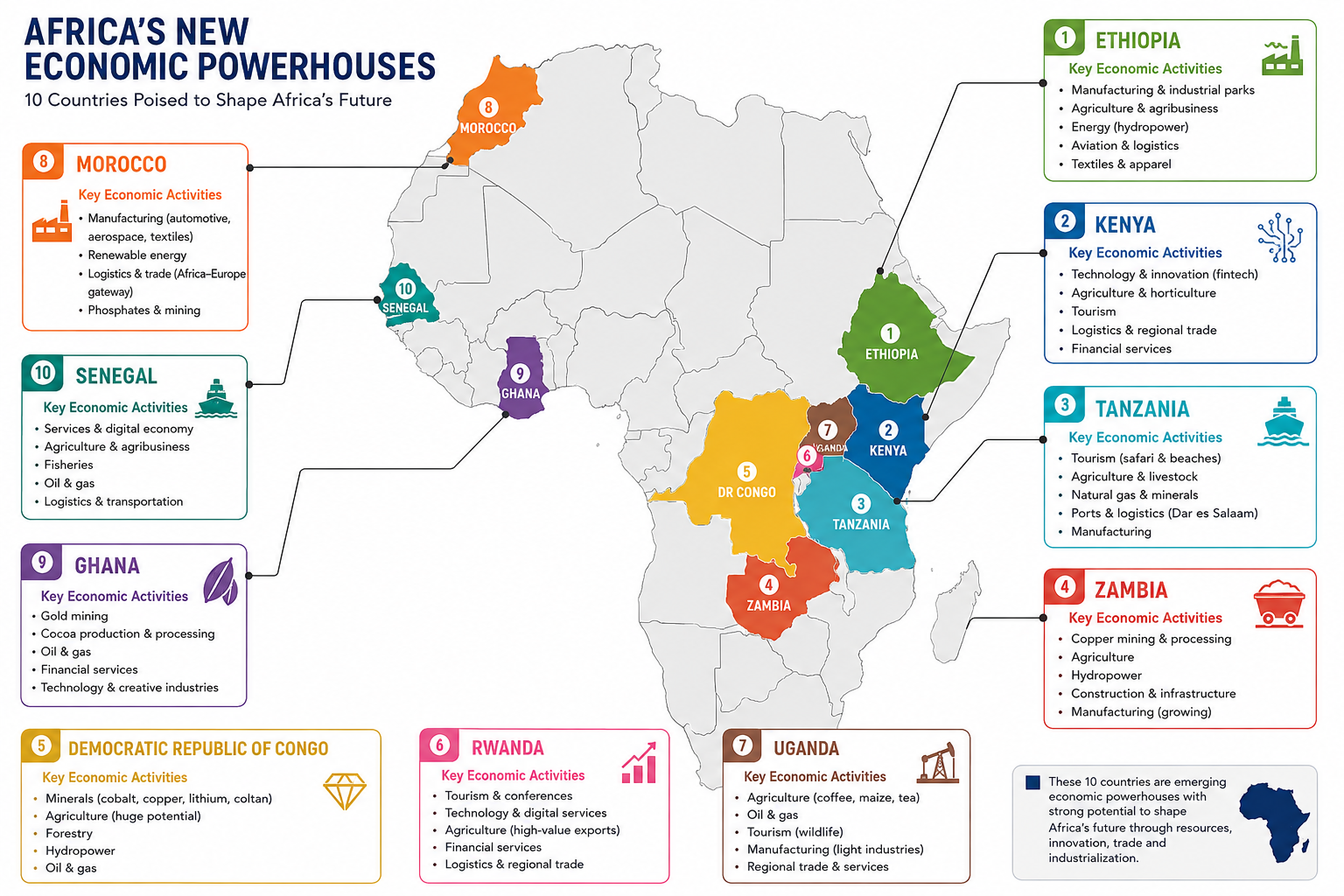
Uganda is emerging as one of Africa’s economies to watch, supported by agriculture, natural resources, infrastructure development and its strategic position at the heart of the Great Lakes region.
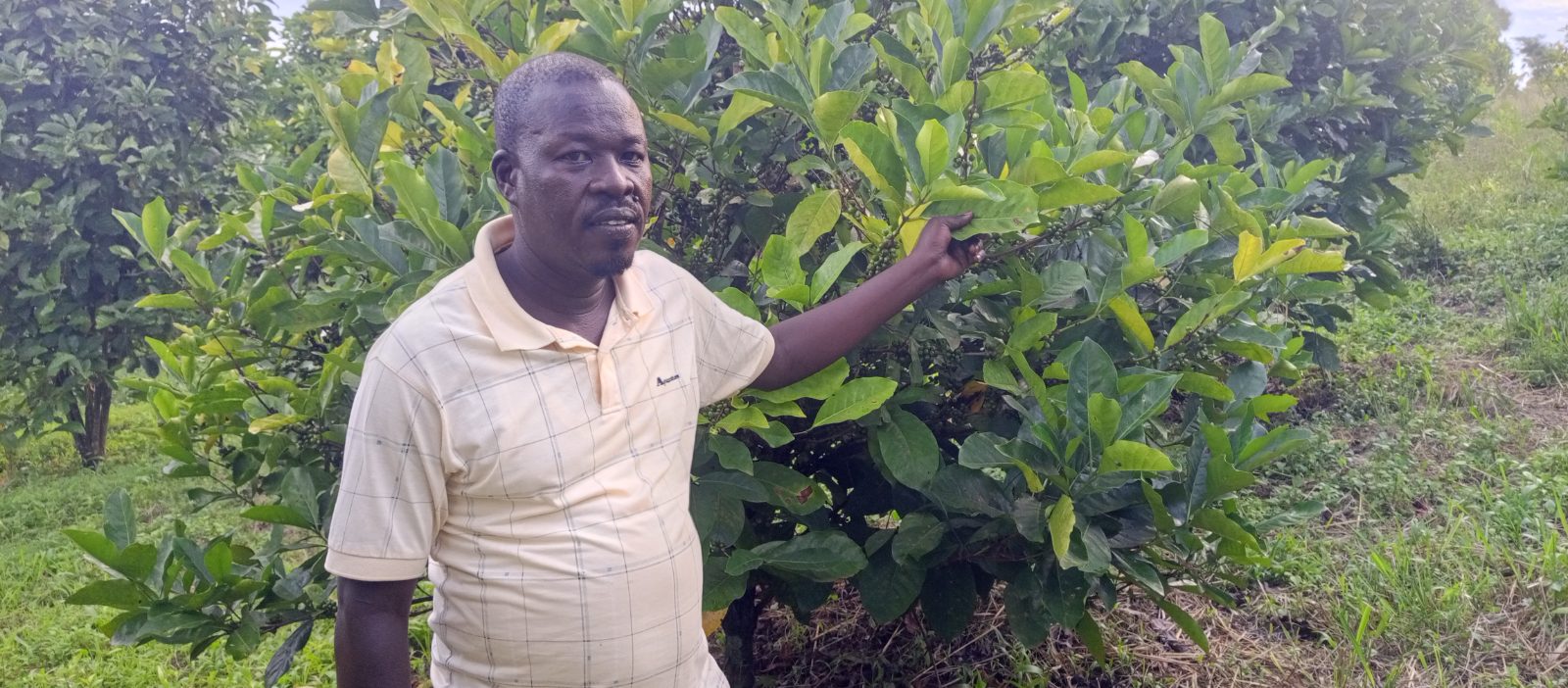
Agriculture remains the backbone of the economy, with coffee, tea, maize, cocoa and other agricultural products providing livelihoods for millions of people. The growing emphasis on agro-processing and value addition could create new opportunities for farmers, manufacturers and exporters.
The development of Uganda’s oil resources is another major economic opportunity. The country’s oil industry is expected to stimulate investment in roads, pipelines, logistics, construction, services and other supporting industries. Uganda’s geographical position also gives it an important role in regional trade. Its links with Kenya, South Sudan, Rwanda, Tanzania and the Democratic Republic of Congo provide opportunities to become a major regional distribution and commercial hub. Kampala and other urban centres are also experiencing growth in technology, financial services, construction, manufacturing and entrepreneurship. The biggest question for Uganda is how effectively it can transform its agricultural and natural-resource potential into jobs, industries and higher-value exports.
- Ethiopia: Building an industrial economy Ethiopia is one of Africa’s most significant emerging economic forces, with a large domestic market, expanding infrastructure and ambitions to develop manufacturing and industrial production. The country has invested in industrial parks, energy and transport infrastructure while seeking to attract investment into manufacturing, textiles, agriculture and other productive sectors.
Addis Ababa also gives Ethiopia a strategic advantage as a diplomatic, aviation and business centre. Its challenge will be to maintain economic stability while creating sufficient employment and opportunities for its growing population.
-
Kenya: East Africa’s technology and trade hub Kenya has established itself as one of Africa’s most dynamic business and technology centres. Nairobi is recognised for innovation, fintech, financial services and entrepreneurship, while Mombasa provides an important gateway connecting East Africa to global markets. Agriculture, tourism, logistics and manufacturing add to Kenya’s economic strength. Its ability to connect businesses across East Africa and international markets could make Kenya an increasingly influential economic power.
-
Tanzania: The rising East African giant Tanzania has several advantages that could strengthen its position as one of Africa’s major economic centres. Its Indian Ocean coastline, ports, tourism attractions, agricultural resources, minerals and growing infrastructure provide multiple opportunities for economic expansion. Dar es Salaam is particularly important as a gateway for Tanzania and several landlocked countries in the region. Improved transport and trade links could further strengthen Tanzania’s role in East African commerce.
-
Zambia: Africa’s copper opportunity Zambia's economic future is closely linked to its vast copper resources. As the world invests in electric vehicles, renewable energy and modern electricity infrastructure, demand for copper remains strategically important. Zambia's opportunity goes beyond mining. The country can potentially increase economic benefits by expanding mineral processing, manufacturing, logistics, technical skills and local supply chains around the mining industry.
-
Democratic Republic of Congo: The mineral giant The Democratic Republic of Congo possesses some of Africa’s most significant mineral resources, including cobalt, copper and other minerals critical to modern technology. Its enormous agricultural potential, forests, water resources and youthful population provide additional economic opportunities. However, turning natural wealth into broad-based prosperity will require stronger infrastructure, investment, security, governance and value addition. If these challenges are addressed, the DRC could become one of Africa’s most influential economic powers.
-
Rwanda: Small country, ambitious economy Rwanda has positioned itself as a competitive destination for tourism, conferences, technology, financial services and investment. Kigali's development as a modern business and conference centre has increased Rwanda’s international economic profile. The country's experience demonstrates how infrastructure, digitalisation, services and investment promotion can give a relatively small economy significant regional influence.
-
Morocco: Manufacturing and Africa-Europe connectivity Morocco has developed a diversified economy supported by manufacturing, agriculture, tourism, logistics and renewable energy. Its automotive and aerospace industries have strengthened its position in global supply chains. Its proximity to Europe and expanding economic relationships with other African countries also give Morocco a unique position as a bridge between African and European markets.
-
Ghana: Gold, cocoa and a growing services economy Ghana combines significant natural resources with a growing services and entrepreneurial economy. Gold and cocoa remain major economic activities, while Accra has developed into an increasingly important centre for finance, technology, creative industries and international business. The country's long-term opportunity lies in increasing local processing and manufacturing so that more value from its commodities remains within Ghana.
-
Senegal: West Africa’s emerging strategic hub Senegal is strengthening its position as a West African economic and logistics centre. Dakar's Atlantic location provides access to regional and international markets, while the country's opportunities in agriculture, fisheries, tourism, logistics and energy provide several potential growth engines. Investment in infrastructure, human capital and productive industries could further increase Senegal's influence in West Africa. Africa's economic future is being rewritten These 10 countries do not have identical economies or development paths. Uganda has agriculture, oil and regional trade. Ethiopia is pursuing industrialisation. Kenya is a technology and logistics hub. Tanzania has ports, tourism and natural resources. Zambia and the DRC possess enormous mineral potential, while Rwanda has built strength in services and digital innovation. Morocco is expanding manufacturing and Africa-Europe trade, Ghana is seeking greater value from its commodities, and Senegal is positioning itself as a West African gateway. What connects them is the opportunity to move beyond the traditional model of exporting raw materials and importing finished products. The countries that successfully combine natural resources, human capital, infrastructure, technology, manufacturing and regional trade could become the economic powerhouses of Africa's next generation. For Uganda, the opportunity is particularly significant. Its agricultural wealth, oil resources, strategic location and growing regional connections could give it a much larger role in shaping East Africa's economic future. The race for Africa's next economic powerhouses has already begun.
Founder & Chief Editor
Founder and Chief Editor of Osmara Digital Media. Journalist and historian telling Africa's stories through an African lens, from West Nile to the continent.