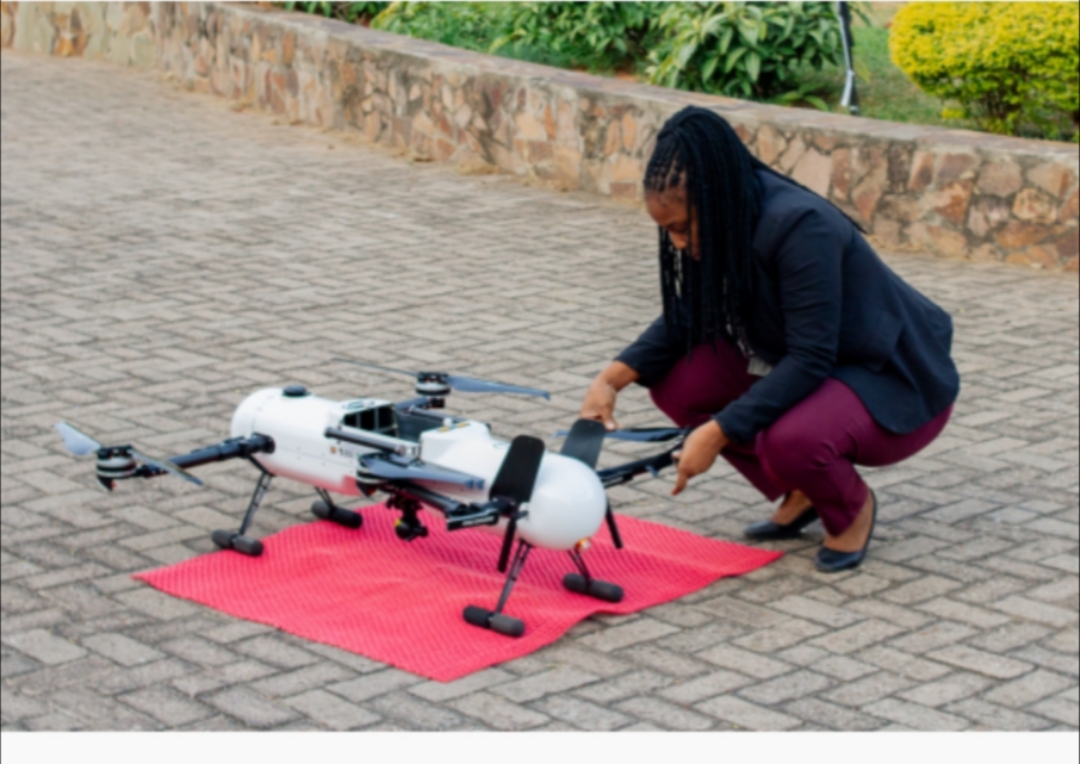
Mozambique Deploys Drone Technology to Transform Flood Response and Strengthen Climate Resilience
A partnership between Mozambique, the African Development Bank and South Korea has equipped the country with trained drone pilots and advanced aerial intelligence systems to strengthen disaster response, protect communities and build long-term climate resilience.
Founder & Chief Editor · 21 September 2026 · 2 min read
Osmara Digital Media-Focus in Africa
MAPUTO, MOZAMBIQUE — Mozambique is strengthening its capacity to respond to floods and other climate-related disasters through a drone technology initiative supported by the African Development Bank Group and the Republic of Korea.
The initiative marks a significant shift in the country's disaster management approach, placing advanced aerial intelligence, locally trained professionals and real-time data at the centre of emergency response. The need for such technology is rooted in Mozambique's history of catastrophic flooding. In February 2000, the country experienced its worst floods in five decades, resulting in more than 700 deaths, approximately 650,000 displaced people and an estimated 4.5 million people affected.
One of the most widely circulated images from the disaster showed a woman giving birth in a tree above the floodwaters, highlighting the extraordinary challenges faced by communities and emergency responders.
Nearly two decades later, Cyclone Idai caused further devastation, killing more than 1,300 people and destroying buildings, roads and agricultural production, with reported losses exceeding $773 million. In February 2026, southern Mozambique experienced another major flooding emergency, affecting up to 800,000 people and destroying approximately 30,000 homes, according to the project account.
This time, the national response included trained Mozambican drone pilots who deployed aerial systems to map affected areas, monitor water levels and provide real-time information to authorities. The development represents a transition from limited access to disaster intelligence toward a system in which Mozambique has its own trained personnel and operational technology.
South Korea contributed drone-related technical knowledge developed through two decades of expertise associated with Pusan National University. Mozambique provided national institutions and personnel, while the African Development Bank supported the partnership's implementation and coordination. The project was structured around three interconnected priorities: Provision of drone equipment and supporting technology. Training and certification of Mozambican drone pilots and instructors. Operational deployment in disaster-affected areas. The approach was designed to ensure that the technology would be supported by local expertise and practical emergency response capabilities.
The project estimates that each instructor could train 10 new pilots per group, creating a potential pathway for the national workforce to grow from 30 to 300 drone professionals within three years. On 10 July 2026, Prime Minister Maria Benvinda Levi presided over the National Drone Pilot Graduation Ceremony in Maputo, according to the project account, highlighting the government's focus on developing national drone capabilities.
While drones alone cannot prevent flooding or eliminate humanitarian challenges, access to timely information can support faster assessments, more targeted emergency assistance and better coordination among response agencies. The partnership between Mozambique, the African Development Bank and South Korea illustrates how international cooperation can contribute to the development of locally managed disaster response systems.
As trained pilots continue their work and instructors prepare future cohorts, Mozambique is building a national capability intended to strengthen its preparedness for future emergencies.
Founder & Chief Editor
Founder and Chief Editor of Osmara Digital Media. Journalist and historian telling Africa's stories through an African lens, from West Nile to the continent.
Related stories
Africa Urged to Build Gender-Responsive Tax Systems to Boost Inclusive Growth

African Development Bank Pitches Critical Minerals Projects to Korean Investors as Africa Seeks Strategic Capital
Ghana Migrant Workers’ Union Calls for State Rescue and Repatriation Fund for Victims Abroad