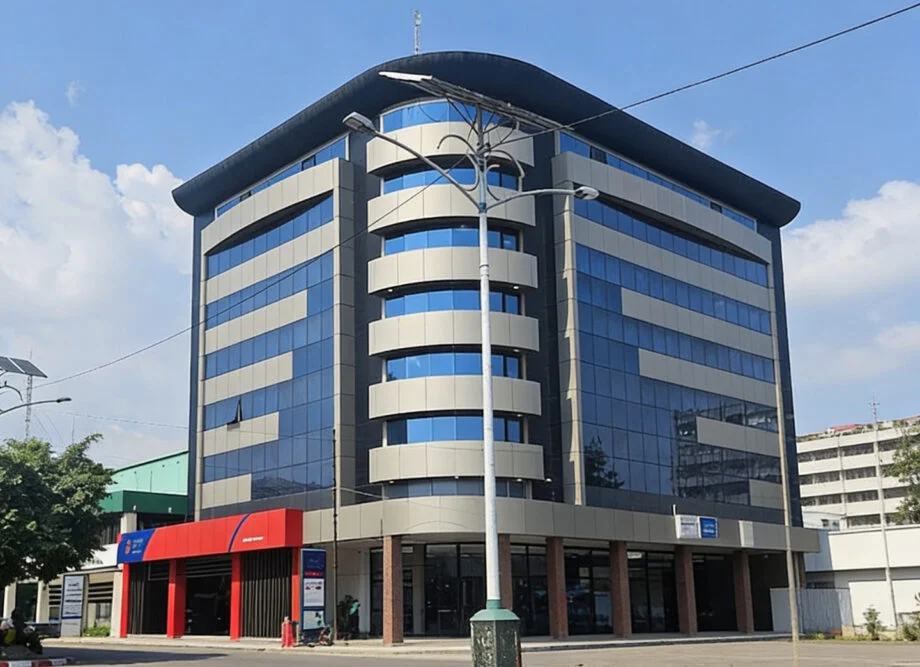
Africa: IMF Backs Zimbabwe's Economic Reforms After Strong First Review
Zimbabwe's successful IMF review strengthens confidence in economic reforms, debt restructuring and Africa's push for long-term financial stability.

Founder & Chief Editor · 28 July 2026 · 2 min read
By Osmara Digital Media-Africa in Focus
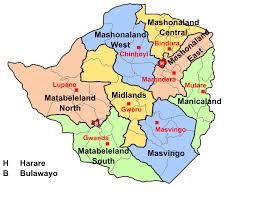
Zimbabwe clears the first review of its IMF Staff-Monitored Program, boosting confidence in economic reforms, debt resolution and Africa's broader drive for financial stability. WASHINGTON, DC – The International Monetary Fund (IMF) has approved the completion of the first review of Zimbabwe's 10-month Staff-Monitored Program (SMP), marking a significant milestone in the country's efforts to restore economic stability, clear debt arrears and strengthen its engagement with the international community. The review follows strong implementation of the economic reform program through the end of March 2026, with Zimbabwe meeting all quantitative targets and structural benchmarks set under the agreement. IMF Management said the achievement demonstrates the government's commitment to fiscal discipline, monetary stability and governance reforms. Although Staff-Monitored Programs do not involve financial support or formal approval by the IMF Executive Board, they are designed to help countries establish a credible record of implementing sound economic policies. Zimbabwe's economy remained resilient despite a challenging global environment. The country recorded economic growth of 8.3% in 2025, driven by improved agricultural production, strong mining performance and favorable gold prices. Growth is projected at 5% in 2026, before moderating to 4.2% over the medium term. Inflation has remained in single digits, supported by tight monetary policy and relative stability in the exchange rate, while the current account is expected to remain in surplus despite narrowing in the coming years. The IMF noted that Zimbabwe successfully met key fiscal and monetary targets, including those related to the primary budget balance, international reserves, limits on government borrowing and monetary base growth. However, spending on protected social and priority sectors fell below the agreed target, highlighting the need for improved budget execution and stronger support for vulnerable communities. The Fund urged Zimbabwe to maintain strict fiscal discipline, strengthen public financial management, improve governance and continue reforms in the foreign exchange market. It also encouraged the Reserve Bank of Zimbabwe to sustain its tight monetary policy until confidence in the local currency is firmly established. Authorities were commended for introducing a Zimbabwe Gold (ZiG)-denominated term deposit facility and for advancing plans to further liberalize the foreign exchange market. The IMF said continued implementation of the reform program will strengthen Zimbabwe's case for debt restructuring, arrears clearance and renewed cooperation with international financial partners. For Africa, Zimbabwe's progress is viewed as an important example of how sustained economic reforms, sound fiscal management and governance improvements can help countries rebuild investor confidence, attract investment and support long-term economic growth across the continent. The IMF stressed that maintaining policy discipline, protecting social spending and improving transparency will be essential for Zimbabwe to consolidate recent gains and advance its re-engagement with the global economy. Source: International Monetary Fund (IMF).
Founder & Chief Editor
Founder and Chief Editor of Osmara Digital Media. Journalist and historian telling Africa's stories through an African lens, from West Nile to the continent.
Related stories
EU Council Agrees Position on New Agricultural Market Rules for 2028–2034

Osmara Digital Media Connects African Regions Through a Growing Continental News Network
MUSEVENI URGES EUROPEAN INVESTORS TO EXPAND PARTNERSHIPS IN UGANDA’S KEY ECONOMIC SECTORS