
Rising food prices leave Iganga families struggling to put meals on the table
Rising prices of essential food commodities in Iganga District are putting pressure on household budgets, forcing families to adjust their spending, reduce purchases and struggle to afford daily meals as traders and small-scale businesses also feel the impact.

Founder & Chief Editor · 3 November 2026 · 3 min read
By Barasa Richard
For many households in Iganga District, preparing a daily meal has become a difficult exercise in budgeting. Money that once bought food for several days now covers only a few basic items, forcing families to reconsider what they can afford.
Residents across the district are feeling the pressure of rising prices. Families relying on daily earnings, casual labour, small businesses and subsistence farming are struggling to meet household needs.
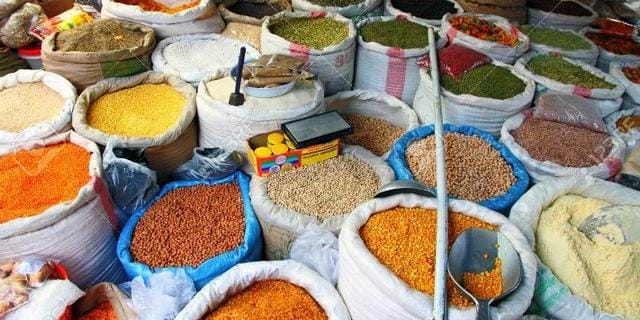
Prices of maize flour, beans, rice, sugar, cooking oil, salt, meat, fish, tomatoes and onions have come under pressure. Rising charcoal and fuel costs have also made cooking and transporting goods more expensive.
Uganda Bureau of Statistics (UBOS) figures show annual headline inflation rose to 5.8 per cent in October 2026, from 4.6 per cent in September. Food crops and related items inflation increased to 10.7 per cent from 4.5 per cent, reflecting growing national pressure on food prices.
In surveyed Iganga markets, a kilogramme of maize flour recently sold for Shs2,000 to Shs2,500, while beans cost Shs6,000 to Shs7,000. Cooking oil, sugar and other necessities have also become more expensive. Prices vary between markets, but the figures illustrate the challenge for consumers.
For parents depending on daily income, higher food prices create difficult choices. Earnings must also cover school fees, rent, medical bills and transport. As more money goes towards food, less remains for savings, healthcare, education and emergencies. Some families may postpone payments or seek extra income.
Women running food stalls, roadside restaurants and market businesses face difficult choices. As wholesale prices rise, they must increase prices or accept smaller profits.
Higher prices can drive away customers, while unchanged prices make businesses harder to sustain. Some traders reduce serving sizes. Small-scale farmers are also affected. Higher prices may benefit those with produce to sell, but farmers with poor harvests or inadequate storage may not gain. They also face higher costs for seeds, inputs and transport, making it harder to expand production.
Transport costs add to the pressure because food sold in Iganga markets often comes from surrounding farming communities and neighbouring districts. When fuel becomes more expensive, moving produce costs more, contributing to higher prices for consumers who depend on markets and retail shops for daily necessities.
The situation has prompted calls for local leaders and district authorities to work with agricultural officers, farmers' groups, market leaders and traders to identify challenges affecting food availability and affordability.
Regular monitoring of market prices could help establish which commodities are becoming more expensive and why.
Local leaders are being urged to promote household food production and commercial agriculture. Families with land can grow vegetables, beans, sweet potatoes, cassava and bananas to supplement purchased food. Farmers also need support to diversify crops, improve post-harvest handling and store produce properly.
Households can stretch limited resources by prioritising essentials, preparing budgets and comparing prices at different markets.
Community purchasing groups may help secure savings on non-perishable goods, but residents are cautioned against high-interest loans for basic necessities.
Residents say broader government action is needed, including affordable agricultural inputs, improved seeds, fertilisers, extension services and modern farming technologies. Investment in irrigation and water harvesting could reduce dependence on rainfall during prolonged dry spells.
Improved rural roads linking farming communities to markets, including Iganga Town, could reduce transport costs. Better market information would help producers, traders and consumers understand prevailing prices. Authorities are also urged to investigate credible reports of unfair trading or artificial shortages where evidence exists.
Residents also want more employment opportunities, stronger household incomes and support for small businesses. Controlling inflation may not provide enough relief if earnings remain low.
For households in Iganga, the immediate concern is finding affordable ways to feed their families while meeting other basic needs. Local leaders are challenged to turn community concerns into action, while government is being asked to strengthen production, improve transport and address rising costs.
Ultimately, families want affordable food, farmers want fair returns for their produce, and small businesses need conditions that allow them to operate without being overwhelmed by rising expenses. Their concerns reflect the wider need to protect household welfare and keep local markets accessible to ordinary earners.
Founder & Chief Editor
Founder and Chief Editor of Osmara Digital Media. Journalist and historian telling Africa's stories through an African lens, from West Nile to the continent.
Related stories
Busoga residents look for lasting change as new district leaders report early gains

IGANGA CHAIRPERSON APPEALS TO STATE HOUSE FOR UNIVERSITY SCHOLARSHIPS FOR BRIGHT, NEEDY STUDENTS
Iganga Boda Boda Riders Reject Proposed Monthly Tax as Fuel Prices Rise