Iganga Boda Boda Riders Reject Proposed Monthly Tax as Fuel Prices Rise
Boda boda riders in Iganga say rising fuel prices, motorcycle loan repayments and maintenance costs are squeezing their earnings as the government considers a monthly tax on motorcycle operators.
Founder & Chief Editor · 15 October 2026 · 5 min read
By Barasa Richard
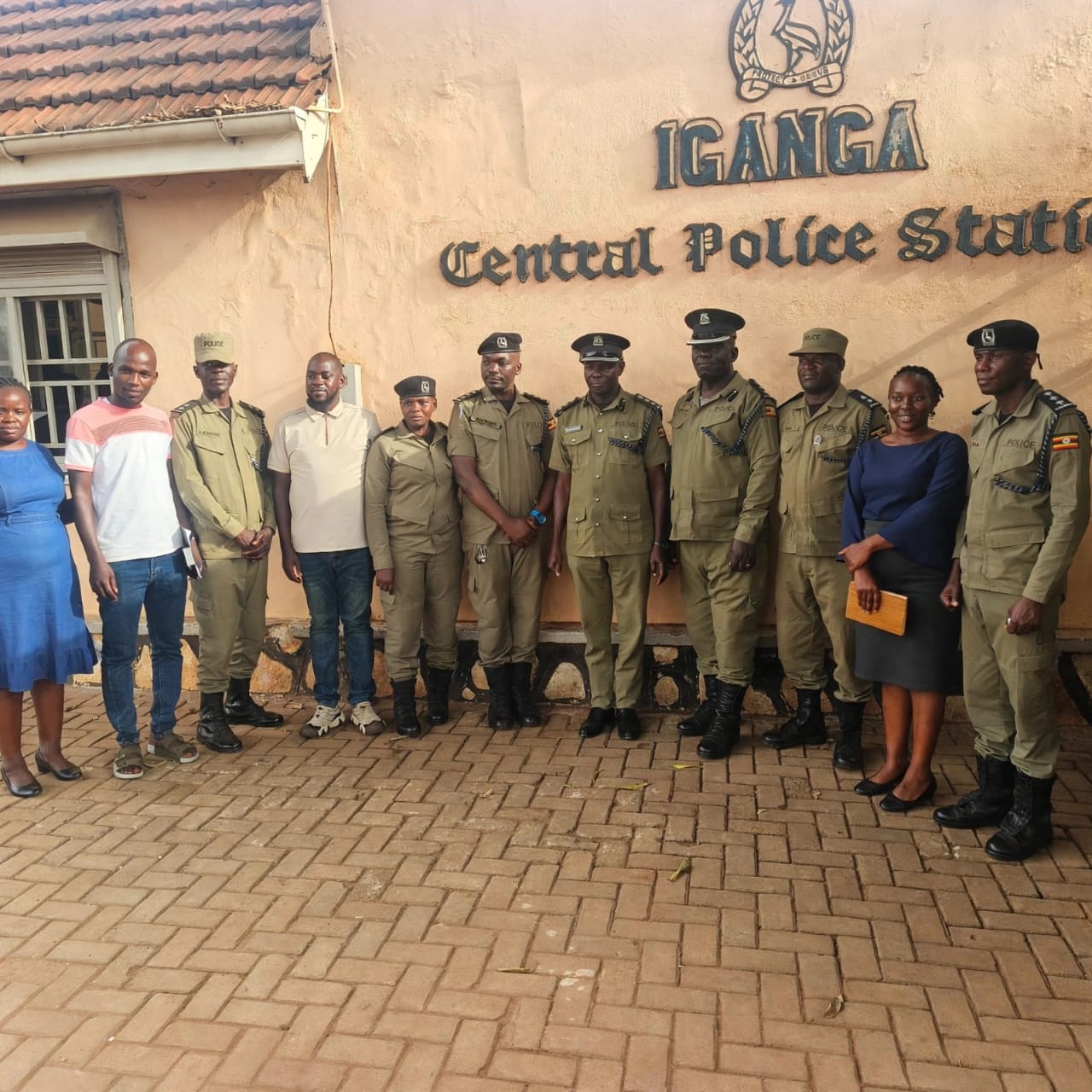
IGANGA, UGANDA — Boda boda riders in Iganga District are opposing a proposed monthly tax on motorcycle operators, saying rising fuel prices, loan repayments and the increasing cost of maintaining their motorcycles are already cutting into their earnings and making it harder to provide for their families.
The riders, operating under the Iganga Motorcycle Operators Association, want the government to reconsider the proposed levy, warning that additional taxation could worsen their financial difficulties, threaten their livelihoods and potentially increase transport costs for passengers.
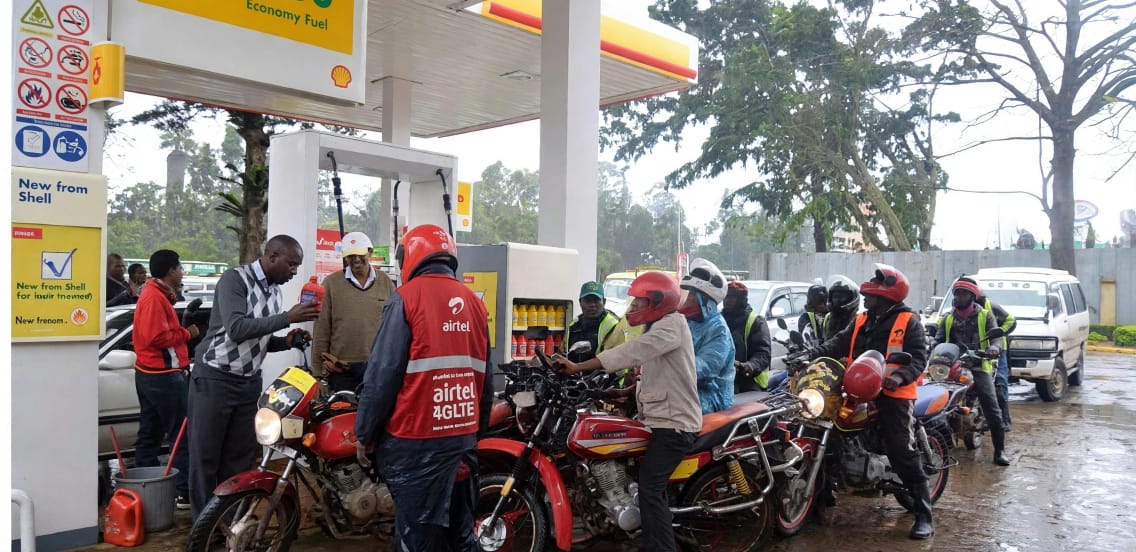
Their concerns come amid a sharp rise in fuel prices in Iganga Municipality, where a spot check on Wednesday found petrol selling at between UGX 6,500 and UGX 7,000 per litre, while diesel cost between UGX 6,700 and UGX 7,200 per litre, compared with approximately UGX 5,000 per litre the previous month, according to observations by this publication.
For riders who depend on daily earnings to buy fuel, maintain their motorcycles, repay loans and support their households, the increases are adding pressure to an already challenging business. “We are suffering. You buy fuel at UGX 7,000, but customers still want to pay UGX 1,000 for a short distance. At the end of the day, you go home with nothing,” said Hakim Isabirye, a boda boda rider at Iganga Main Stage.
Riders Fear Additional Financial Pressure The proposed tax was announced by Isaac Musumba, Chairperson of the Local Government Finance Commission, during a media briefing on strengthening local revenue mobilisation at the Uganda Media Centre.
The proposal forms part of broader revenue measures being considered under the 2026/27 financial year budget reforms. Other informal-sector operators who could be affected include sugarcane farmers, milk vendors and meat traders. Musumba said consultations with stakeholders would be held to discuss how the proposed tax would be collected and how much each operator would be required to pay.
However, the amount of the proposed monthly levy and its implementation date had not been established in the information available at the time of publication. In Iganga, motorcycle operators say the timing of the proposal is particularly concerning because many are already struggling to meet their financial obligations.
According to the association, about 85 per cent of boda boda riders in the district operate motorcycles acquired through loans, leaving them with regular repayments even when business is slow. Galandi Edward, a boda boda rider at Pearl Bank Stage in Iganga Municipality, said the cost of operating a motorcycle had increased significantly, leaving riders with limited money for their daily needs. He argued that operators already contribute to government revenue through taxes imposed on fuel, engine oil and motorcycle spare parts. Edward urged the government to review the existing tax burden before introducing another levy, warning that additional costs could further reduce riders' profits and undermine their ability to provide for their families.
Existing Taxes and Registration Costs The riders also want the government to consider the fees and taxes they already pay before introducing additional charges. According to the operators, motorcycles licensed to carry one passenger pay an annual fee of UGX 20,000 to the Uganda Revenue Authority.
They also point to the Excise Duty Amendment Act, which they say increased excise duty on the first registration of motorcycles from UGX 200,000 to UGX 500,000. Together with stamp duty of UGX 50,000, they put the initial registration cost at UGX 550,000.
The riders argue that these costs, combined with fuel, insurance, spare parts and loan repayments, have made motorcycle transport increasingly expensive to operate. Kimbowa Muhammad, Chairperson of Motorists in Iganga District, appealed to local leaders to engage the relevant government authorities over the proposed levy.
He said an additional tax could make it more difficult for operators to meet household expenses, pay school fees and provide other basic necessities for their children. The association wants local leaders to present the riders' concerns to the government before a final decision is made on the proposed tax.
Rising Fuel Prices Affect Taxi Drivers Too
The pressure is not limited to motorcycle operators. Taxi drivers serving Iganga and neighbouring areas also report declining business as rising fuel costs force them to increase fares. Moses Balikoowa, a taxi driver operating along the Iganga–Jinja highway, said operators had raised fares on the route from UGX 5,000 to UGX 7,000 because of the increased cost of fuel.
However, he said the higher fares had discouraged some passengers from travelling, leaving some vehicles parked as drivers struggled to cover operating expenses. “We increased fares from UGX 5,000 to UGX 7,000 to Jinja because fuel is expensive, but passengers are complaining and some have stopped travelling. Our vehicles are parked,” Balikoowa said.
The situation illustrates the difficult choices facing transport operators: absorb higher operating costs and earn less, or raise fares and risk losing customers.
For boda boda riders, who often negotiate fares for individual journeys, passing the full cost of fuel increases on to passengers may not be possible.
Operators Appeal for Government Intervention
Motorcycle operators and taxi drivers are calling on the government to intervene over rising fuel prices, saying continued increases could threaten employment and household incomes. Some operators have also linked the fuel-price increases to the depreciation of the Ugandan shilling against the US dollar, although fuel prices can be influenced by several factors, including international oil prices and other supply-chain costs. Efforts to obtain comments from fuel dealers in Iganga were unsuccessful by press time. Some dealers contacted said pump prices were influenced by the international market and the exchange rate.
For the riders opposing the proposed monthly tax, the immediate concern is how to keep their businesses running while meeting their existing financial obligations. Many depend on motorcycle transport to pay rent, provide food, meet medical expenses and keep their children in school. Any further reduction in their daily earnings could therefore affect not only the operators but also the families who depend on them.
The Iganga Motorcycle Operators Association is urging local leaders to raise these concerns with the relevant authorities before the proposed levy is finalised. As consultations on the proposed tax proceed, the riders want their financial circumstances to be considered alongside the government's efforts to strengthen local revenue collection.
Founder & Chief Editor
Founder and Chief Editor of Osmara Digital Media. Journalist and historian telling Africa's stories through an African lens, from West Nile to the continent.