
Kyanja's remarkable transformation: From quiet farmland to modern Kampala suburb
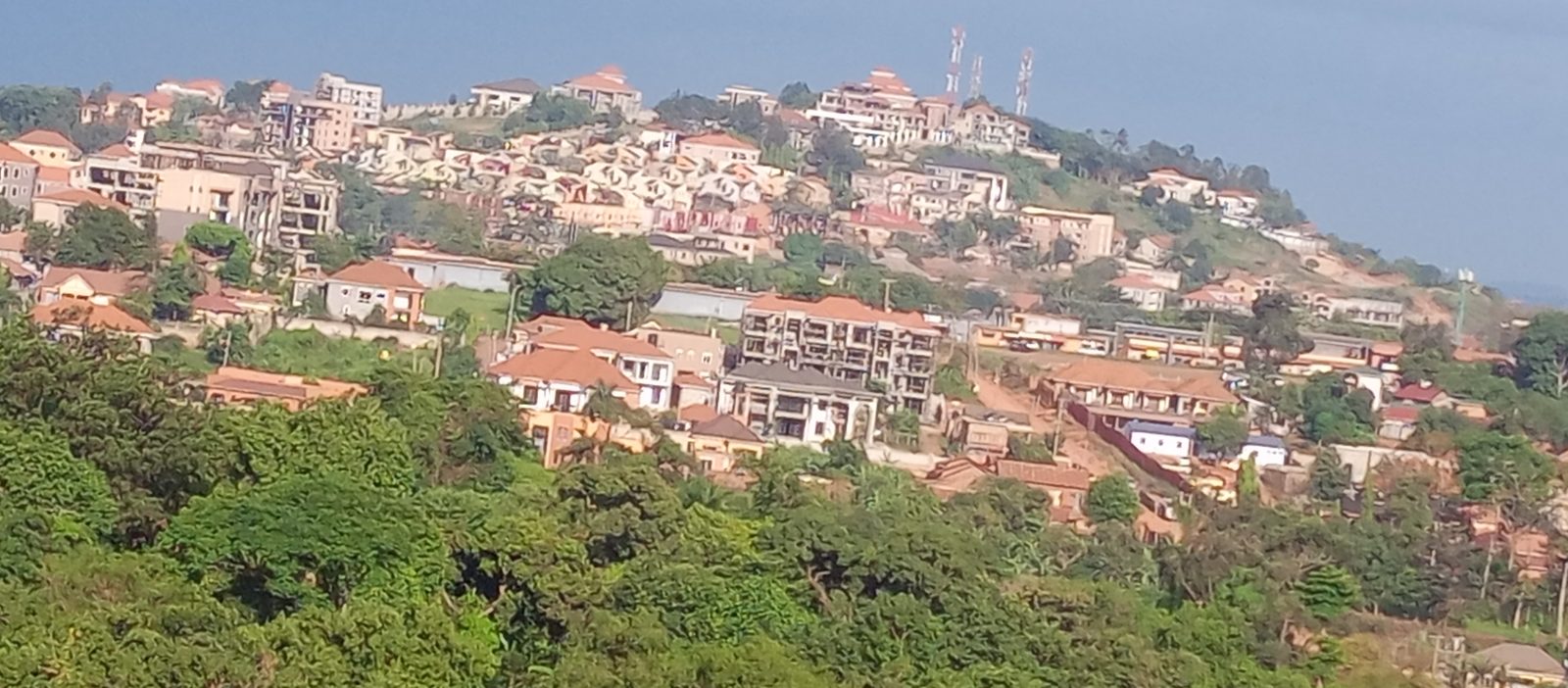
Once a quiet neighbourhood characterised by green farms and dirt roads, Kyanja has undergone a remarkable transformation, with modern apartment blocks, executive balconies and gated residential developments reshaping its skyline.

Founder & Chief Editor · 5 November 2026 · 5 min read
By Osmara Digital Media
KAMPALA — The feeling was one of admiration and surprise as the Osmara Digital Media team toured Kyanja, a Kampala suburb whose changing skyline tells a remarkable story of urban transformation. Everywhere the team looked, newly completed apartment blocks, impressive executive balconies, modern residential buildings and well-designed structures painted a picture of a neighbourhood that has moved far beyond its quiet past.
For anyone who last visited Kyanja a decade ago, the experience today would be strikingly different. What was once a relatively sleepy extension of the Ntinda corridor, characterised by green farms, open spaces, scattered homes and dusty access roads, has evolved into a vibrant residential destination increasingly defined by modern architecture and private property investment.
The transformation is difficult to overlook. Multi-storey apartment buildings now stand prominently across the neighbourhood, while gated residential estates and commercial developments continue to change its appearance.
During its visit, Osmara Digital Media observed how rapidly the suburb is embracing modern urban living, with construction activity and newly completed buildings reflecting growing interest in Kyanja as a residential and investment destination.
Located approximately 10 to 11 kilometres northeast of Kampala's Central Business District, within Nakawa Division, Kyanja has become part of the capital's expanding urban landscape.
From green farms to a changing skyline
A decade ago, Kyanja was largely associated with a quieter lifestyle. Green agricultural spaces, open plots and relatively scattered residential homes characterised much of its landscape.
The neighbourhood offered an alternative to Kampala's busy urban environment, attracting people who preferred a more peaceful residential setting.
Today, that identity is changing.
The emergence of modern apartment developments has significantly altered the area's appearance. Buildings featuring spacious balconies, contemporary architectural designs and multiple floors are increasingly becoming familiar sights.
Some of the developments are designed to appeal to professionals, young families and individuals seeking executive accommodation within reasonable reach of Kampala's commercial centres.
The growing number of completed structures also demonstrates the increasing role of private developers in responding to the city's demand for housing.
For visitors, the contrast between Kyanja's former appearance and its present skyline offers a powerful illustration of how quickly urban neighbourhoods can change.
Improved roads supporting urban growth
Beyond the impressive buildings, road infrastructure is another important part of Kyanja's transformation.
The expanded Kyanja Ring Road has improved movement within the neighbourhood and strengthened connections to surrounding areas.
The road network links the suburb to the Ntinda-Kisasi corridor and Kampala-Northern Bypass, making it more accessible to commuters travelling to different parts of the capital.
Morning and evening traffic along these routes reflects the growing number of people living, working and conducting business in the area.
Improved accessibility has also strengthened Kyanja's attractiveness to property developers, particularly those targeting residents who want modern accommodation without living in the busiest parts of Kampala.
As Kampala continues expanding, accessibility is increasingly becoming an important factor influencing where people choose to live and where investors direct their resources.
Executive apartments reshape residential living
One of the most noticeable features during the Osmara Digital Media tour was the growing number of modern apartment buildings.
Executive balconies, contemporary finishes, spacious residential designs and multi-storey structures are increasingly defining Kyanja's architectural identity.
The developments reflect changing housing preferences among Kampala's urban population.
For many professionals and young families, apartments offer an alternative to purchasing or maintaining standalone houses. They also provide opportunities for developers to accommodate more residents within increasingly valuable urban land.
Gated residential communities are another feature of the changing neighbourhood, reflecting growing demand for organised housing environments with privacy and security.
Kyanja's proximity to established residential areas such as Ntinda, Bukoto and Kisaasi further strengthens its position as an emerging residential destination.
A growing property investment destination
The changing skyline has also attracted attention to Kyanja's real estate potential.
The increasing supply of apartments reflects developers' confidence in the neighbourhood's residential market and the continuing demand for rental accommodation in Kampala.
Rental yields in the area are estimated in some market assessments at between 9 and 10 per cent, although actual returns depend on property location, acquisition costs, occupancy rates, maintenance and management expenses.
For property investors, Kyanja offers opportunities associated with Kampala's expanding housing market.
However, the growth of apartment developments also raises questions about how the neighbourhood will manage the demands associated with an increasing population.
Balancing development with sustainable planning
While Kyanja's transformation is impressive, its rapid urbanisation presents challenges that require attention.
The gradual replacement of green spaces and agricultural land with residential developments highlights the importance of proper urban planning.
As more people move into the neighbourhood, demand for water, electricity, drainage, sanitation, waste management and other essential services will continue to grow.
Road congestion is another consideration, particularly during peak commuting hours.
Local authorities, developers and urban planners must therefore ensure that infrastructure and public services keep pace with the expanding residential population.
Preserving remaining green spaces and providing recreational facilities will also be important in maintaining a healthy and attractive living environment.
The challenge is to ensure that Kyanja's development does not come at the expense of environmental sustainability and residents' quality of life.
Kyanja offers a glimpse into Kampala's future
For Osmara Digital Media, the visit was more than an opportunity to admire modern buildings. It was an opportunity to document a changing neighbourhood and explore the wider story of Kampala's urban development.
The transformation of Kyanja illustrates how population growth, infrastructure improvements, changing lifestyles and private investment are reshaping residential communities across Uganda's capital.
It also demonstrates that some of the most interesting development stories are found beyond political offices and major public events, in neighbourhoods where ordinary landscapes are gradually becoming modern urban centres.
For those who remember the green farms, quiet surroundings and dusty roads of Kyanja ten years ago, today's impressive structures offer a striking contrast.
The suburb is no longer simply a quiet extension of the Ntinda corridor. It is increasingly becoming a modern residential hub, reflecting the changing face of Kampala.
As more apartment buildings rise and new developments take shape, Kyanja's story remains one of transformation, opportunity and the evolving aspirations of a growing city.
Osmara Digital Media — Africa in Focus.
Founder & Chief Editor
Founder and Chief Editor of Osmara Digital Media. Journalist and historian telling Africa's stories through an African lens, from West Nile to the continent.
Related stories
Sudanese refugees in Kampala appeal for NGO support to grow small businesses
Sudanese refugees sensitised on rights, business opportunities in Uganda

Iganga traders protest disputed taxes, warn of threat to businesses and livelihoods