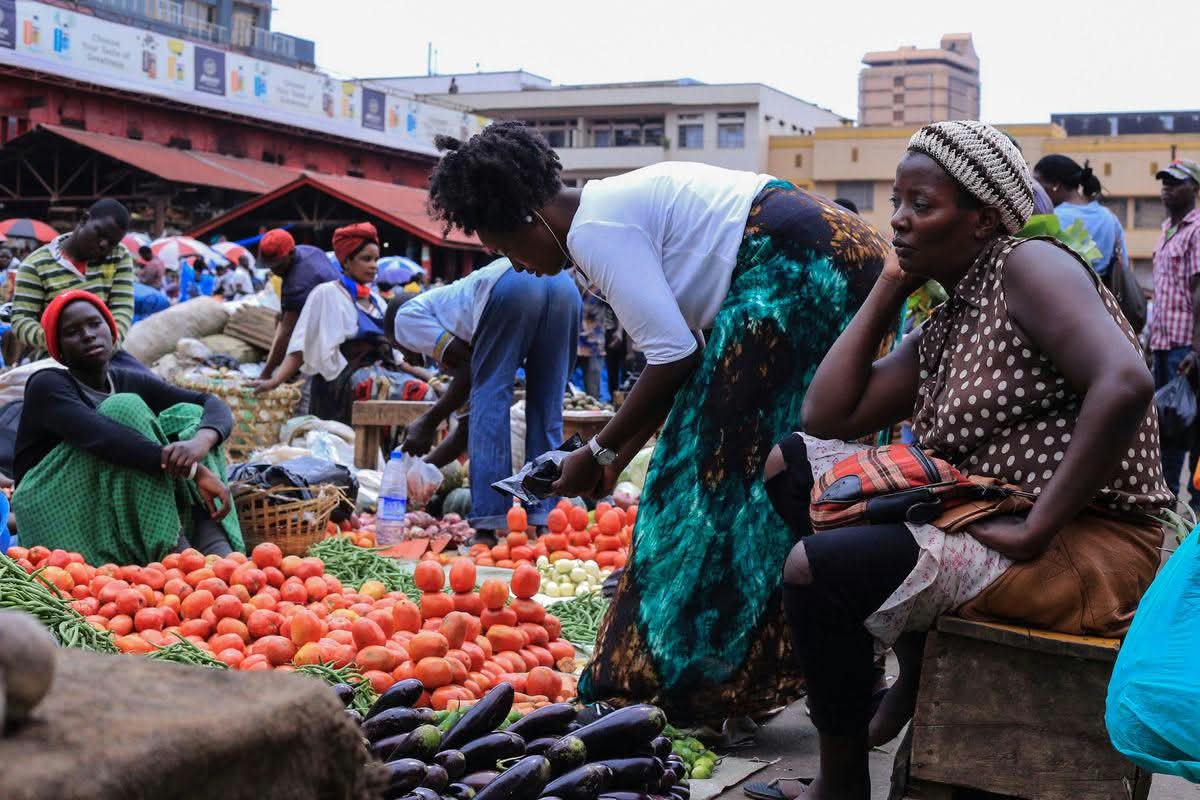
Inside Iganga Central Market: Traders Count Costs as Low Sales and Rising Expenses Put Livelihoods to the Test
Traders at Iganga Central Market face mounting financial pressure as low customer demand, rising operating costs and shrinking profit margins threaten their livelihoods and ability to support their families.

Founder & Chief Editor · 11 November 2026 · 4 min read
By Barasa Richard
IGANGA MUNICIPALITY – As the first customers make their way into Iganga Central Market each morning, hundreds of traders are already arranging their merchandise, displaying fresh vegetables, preparing poultry and organising foodstuffs in anticipation of another day of business.
For many of them, the market is not simply a place to sell goods. It is where school fees are earned, household meals are secured, rent is paid and families depend on the money generated from daily trading.
Yet behind the movement of customers and the exchange of money lies a difficult economic reality: making sales does not necessarily mean making profits.
For small-scale traders, the difference between the money collected and what remains after meeting business expenses can determine whether they return the following morning with sufficient capital to continue operating.
From women selling tomatoes, onions and green vegetables to poultry dealers, livestock traders and general merchandise vendors, the pressure of keeping businesses financially sustainable remains an important concern.
One of the biggest challenges facing traders is the cost of maintaining stock while dealing with changing customer demand.
Customers who previously purchased larger quantities may adjust their shopping habits, buying only what their household budgets can accommodate. Others may concentrate on essential commodities and postpone less urgent purchases.
For traders, particularly those dealing in fresh produce, reduced demand can quickly translate into financial losses.
Vegetables and fruits have a limited shelf life. Tomatoes, leafy vegetables and other perishable commodities can deteriorate when they remain unsold, forcing vendors to reduce prices or discard damaged stock.
This means that even when a trader records daily sales, the actual financial return may be lower than expected.
Poultry and livestock dealers also have expenses to consider, including purchasing stock, transportation, animal feeding and other costs associated with maintaining their businesses.
For many women operating small stalls, these financial pressures extend beyond the market.
Their businesses help support families, including paying children's school fees, purchasing household food, meeting medical expenses and covering rent.
When sales decline or operating costs increase, the consequences can affect the entire household.
A trader who struggles to recover the money invested in stock may find it difficult to save, expand the business or meet family obligations.
The situation raises broader questions about the sustainability of small-scale businesses and the role of public markets in supporting women's economic empowerment.
Operating a stall also involves several expenses that customers rarely see. Traders must account for transportation from farms and wholesale markets, loading and offloading, workers' payments, replacement of damaged commodities and other operational requirements.
Market charges and fees are another issue requiring attention. For businesses operating with limited capital, even relatively small increases in expenses can reduce the money available for restocking and reinvestment.
Traders deserve clarity about the charges they pay, how they are determined and the services provided in return.
Iganga Municipal Council also has an important responsibility to explain revenue collection arrangements and how the money collected contributes to market management and service delivery.
Beyond the financial challenges, the condition of market infrastructure remains important to the success of businesses.
Proper drainage, clean toilets, reliable water supply, regular garbage collection, security and adequate shelter contribute to a safe and attractive trading environment.
For businesses dealing in foodstuffs, cleanliness and proper waste management are particularly important in maintaining hygiene and protecting consumers.
Traders should have an opportunity to identify infrastructure priorities and explain the improvements they believe would make their working environment better.
Municipal authorities, market leadership and business associations also need effective communication channels to address concerns and improve the relationship between traders and market management.
Importantly, the discussion should establish what has been achieved, what challenges remain and what practical interventions can improve the market.
Iganga Central Market plays an important role in the municipality's economy, providing opportunities for small businesses, supporting household incomes and connecting farmers, suppliers, traders and consumers.
Its performance therefore affects more than the people operating stalls. It also has implications for families, workers and the wider community that depends on the market.
For traders, the real measure of a successful business day is not simply how much money passes through their hands, but how much remains after all expenses have been settled.
As another trading day begins, their hopes remain tied to finding customers, selling their commodities and returning home with enough money to sustain their families.
Ultimately, a thriving Iganga Central Market should be measured not only by the number of businesses operating within it, but also by whether those businesses can generate sustainable incomes and provide traders with a realistic opportunity to improve their livelihoods.
Founder & Chief Editor
Founder and Chief Editor of Osmara Digital Media. Journalist and historian telling Africa's stories through an African lens, from West Nile to the continent.
Related stories
The Hidden Cost of Fuel Theft: Inside Iganga's Suspected Siphoning Trade
Rising food prices leave Iganga families struggling to put meals on the table
African Development Bank Approves €40 Million Facility to Boost Cameroon’s Trade and Local Production