
Africa Urged to Build Gender-Responsive Tax Systems to Boost Inclusive Growth
African policymakers and tax experts are calling for gender-responsive tax systems that recognise the different economic realities of women and men, strengthen domestic resource mobilisation and support inclusive economic growth across the continent.

Founder & Chief Editor · 15 September 2026 · 4 min read
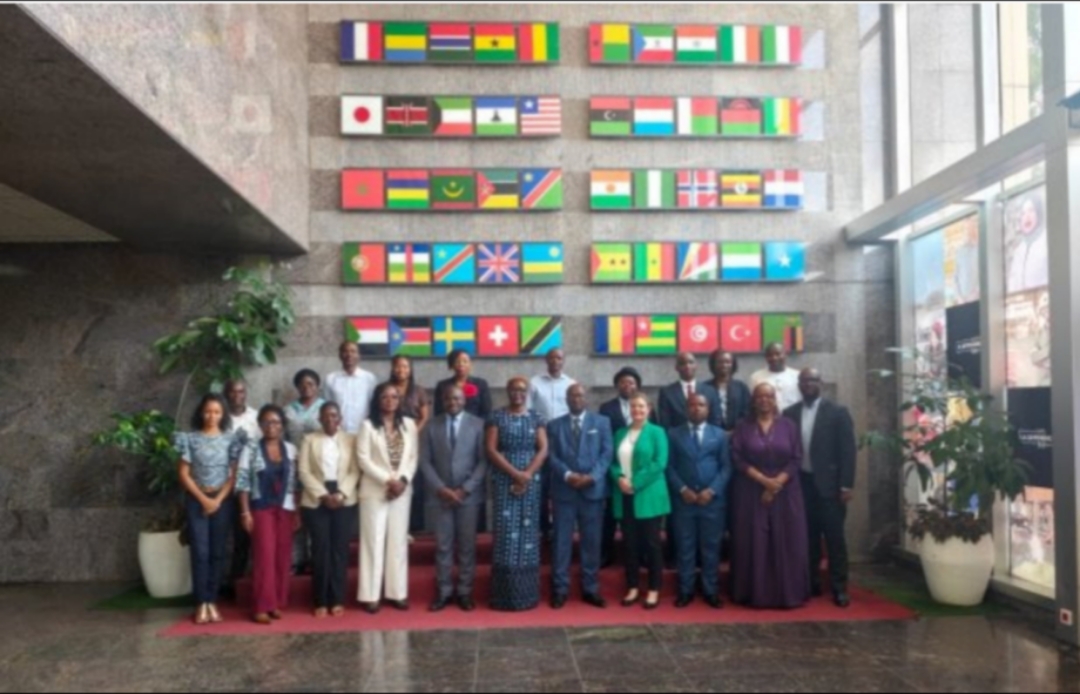
ABIDJAN, Côte d’Ivoire | September 15, 2026: African countries have been urged to make gender considerations an integral part of tax policy and administration as governments seek to strengthen domestic resource mobilisation while creating more inclusive and equitable economies.
The call was made during a hybrid seminar hosted by the African Development Bank Group in partnership with the African Tax Administrative Forum (ATAF) under the theme “Gender and Taxation: Advancing Gender-Responsive Tax Systems in Africa.” The seminar was held in Abidjan and online on September 7, bringing together policymakers, tax administrators, researchers, development partners, civil society representatives and gender specialists.
The discussions focused on how taxation can influence women and men differently and how tax policy can be structured to support economic participation without placing disproportionate burdens on groups already facing barriers to formal employment, business growth and access to finance.
The issue is particularly significant given the scale of informal employment across Africa. According to the African Development Bank's African Economic Outlook 2026, informal employment accounts for about 86 percent of total employment on the continent. Women are disproportionately represented in the informal economy, with 89.2 percent of employed women working informally compared with 82 percent of employed men.
This imbalance has important implications for taxation and economic policy. Tax measures affecting small businesses, market traders, self-employed workers and informal enterprises can have different consequences for women, who make up a substantial share of Africa's informal workforce.
Participants therefore examined the economic effects of tax instruments and administrative practices, including presumptive taxes, market levies, compliance requirements and business formalisation procedures.
The discussions highlighted the need for governments to ensure that tax systems do not unintentionally discourage women from entering or expanding formal economic activity. Instead, participants argued, well-designed systems should make compliance and formalisation more accessible while broadening the tax base and strengthening government revenues.
Dr Jemimah Njuki, Director of the Gender, Women and Civil Society Department at the African Development Bank Group, said governments could improve both fiscal policy and economic participation by ensuring that tax decisions are informed by better gender-disaggregated data.
“We can design tax systems that reflect the realities of women and men, improve the data behind our decisions, make compliance and formalization more accessible and ensure domestic resources and fiscal policy contributes rather than constrains gender equality and women's economic participation,” Njuki said.
The economic argument extends beyond fairness. A tax environment that enables more women entrepreneurs to formalise and expand their businesses could potentially widen the productive base of African economies, increase employment and create additional opportunities for governments to mobilise domestic revenues.
Caroline Mutayabarwa, Manager of ATAF’s Tax Academy, said the reform agenda should address structural inequalities rather than focus exclusively on technical changes to tax administration.
“We set out not merely to adjust administrative rules, but to build tax systems that serve every citizen fairly — which means confronting the structures that currently place an undue share of the burden on women,” she said.
The seminar also drew attention to women's representation within tax administrations themselves. The ATAF African Tax Outlook found that women occupied only 27 percent of executive positions in African tax administrations in 2022, highlighting the continuing need to strengthen women's leadership and participation in fiscal institutions.
AWITN marks five years of advancing women's leadership
The seminar also marked five years of the ATAF Women in Tax Network (AWITN), which was established in March 2021 to promote women's leadership and participation in tax administration across Africa.
Since its establishment, the network has supported the professional development of women working in revenue authorities while providing a platform for dialogue on gender-responsive tax policy and administration.
The Abidjan seminar was the third event organised under the African Development Bank's Gender and Macroeconomics Programme, which seeks to integrate gender considerations into macroeconomic policymaking and decision-making across Africa.
The programme operates through four pillars: knowledge products, a webinar series, a platform bringing together Ministries of Gender and Finance, and capacity building.
It follows the programme's launch webinar in November 2025, titled “From Policy to Practice: Advancing Gender-Responsive Macroeconomics in Africa,” as well as a gender-responsive budgeting webinar held in April 2026.
For African governments facing growing demands for public investment in infrastructure, health, education, social protection and economic development, strengthening domestic revenue mobilisation remains a major policy priority.
Participants argued that achieving that objective requires tax systems that are efficient, transparent and responsive to the economic realities of different groups. Gender-responsive taxation, they said, should therefore be viewed not only as an equality issue but also as part of broader efforts to improve fiscal efficiency, expand economic participation and strengthen Africa's domestic revenue base.
The African Development Bank and ATAF reaffirmed their commitment to continued cooperation on gender-responsive fiscal policy and tax administration through knowledge sharing, policy dialogue and the exchange of evidence and country experiences.
The broader objective is to help African countries develop fiscal systems capable of mobilising the resources needed for development while ensuring that taxation supports, rather than constrains, women's economic participation and inclusive growth.
Osmara Digital Media | Africa in Focus
Founder & Chief Editor
Founder and Chief Editor of Osmara Digital Media. Journalist and historian telling Africa's stories through an African lens, from West Nile to the continent.
Related stories
Egypt Urged to Accelerate Reforms as IMF Calls for Stronger Fiscal Discipline and Private Sector Growth
Africa: IMF Backs Zimbabwe's Economic Reforms After Strong First Review

African Development Bank Pitches Critical Minerals Projects to Korean Investors as Africa Seeks Strategic Capital