AfCFTA explained: what Africa's free trade area means for SMEs
Africa's continental free trade area promises lower tariffs and bigger markets, but small firms must navigate rules of origin, paperwork and uneven implementation.

Founder & Chief Editor · 8 July 2026 · 5 min read
KAMPALA, Uganda - For a furniture maker in Kampala, a coffee processor in Mbale or a garment workshop in Nairobi, the African Continental Free Trade Area can sound like a distant diplomatic project. In practice, it is the framework that will increasingly shape which African markets are open to small firms, and at what cost.
The agreement, commonly shortened to AfCFTA, is the African Union's attempt to knit the continent's economies into a single market: cheaper cross-border trade, larger markets for African-made goods and services, and more of the continent's wealth created and kept at home.
What is the AfCFTA?
The AfCFTA is a free trade agreement among African Union member states. It was signed in Kigali, Rwanda, in March 2018, entered into force in May 2019, and trading under its terms formally began on 1 January 2021. Every AU member except Eritrea has signed, making it the world's largest free trade area by number of participating countries, covering a market the African Union puts at more than 1.3 billion people.
A permanent secretariat in Accra, Ghana, administers the agreement, which covers trade in goods and services, with further protocols addressing investment, competition, intellectual property and digital trade.
The core commitment is the progressive removal of tariffs on 90 per cent of goods traded between state parties. Most countries are phasing out these duties over five years, with least developed countries given ten. A further 7 per cent of tariff lines, classed as sensitive, are liberalised more slowly, and 3 per cent can be excluded altogether.
Tariffs and rules of origin: the fine print
For a small business, the tariff cuts apply only if a product qualifies as African under the agreement's rules of origin. Goods must be wholly obtained on the continent, such as crops or minerals, or substantially transformed within a member state, meaning enough processing or value addition took place locally.
To claim the preference, an exporter needs an AfCFTA certificate of origin issued by a designated national authority, typically the revenue authority or the ministry responsible for trade. That makes paperwork unavoidable: a firm must be able to show where its inputs came from and what was done to them.
The rules deliberately reward value addition. A business exporting roasted and packaged coffee, processed fruit or finished garments stands to gain more than one shipping raw commodities, which in many cases already move at low or zero tariffs.
The Guided Trade Initiative
Turning a signed treaty into goods moving through ports takes time, so in October 2022 the AfCFTA Secretariat launched the Guided Trade Initiative, a pilot designed to prove that commercially meaningful trade could flow under the agreement's preferences. Eight countries took part at the start: Cameroon, Egypt, Ghana, Kenya, Mauritius, Rwanda, Tanzania and Tunisia.
Early shipments included products such as tea, coffee, processed foods, batteries and ceramic tiles. The initiative has since expanded to more countries and to trade in services, giving businesses and customs authorities a live testing ground for the certificates, schedules and procedures the agreement requires.
Where the EAC and COMESA fit in
East African firms already trade under the East African Community, a customs union that allows qualifying goods to move duty-free between partner states, and many also use COMESA preferences. The AfCFTA does not replace these blocs. The African Union treats regional economic communities as building blocks of the continental market, and existing regional preferences are preserved.
The practical consequence is that for trade within East Africa, EAC rules usually remain the ones that matter. The AfCFTA's real promise for the region lies further afield: preferential access to West, North, Central and Southern African markets where tariffs and unfamiliar procedures have historically kept East African SMEs out.
Opportunities, and the honest obstacles
The prize is significant. The World Bank has estimated that full implementation could raise African incomes by around 450 billion US dollars by 2035 and lift tens of millions of people out of extreme poverty. Intra-African trade also tends to involve more processed and manufactured goods than Africa's exports to the rest of the world, which plays to the strengths of small industry. Payment is getting easier too: the Pan-African Payment and Settlement System, developed by Afreximbank, allows cross-border payments in local currencies.
The obstacles are equally real. Non-tariff barriers, including border delays, differing standards and arbitrary charges, often cost traders more than tariffs do. Transport is expensive, trade finance is scarce for small firms, and countries are implementing their tariff schedules at different speeds, so preferences that exist on paper may not yet be applied at a given border. The AU operates an online mechanism for reporting non-tariff barriers, and national trade ministries remain the first stop for current requirements.
For small businesses, the sensible approach is preparation rather than hype: identify a target market, confirm the applicable tariff treatment, secure the certificate of origin, and start small.
Frequently asked questions
Is the AfCFTA already operational?
Yes. The agreement entered into force in 2019 and formal trading began on 1 January 2021, though implementation is phased. Preferential trade depends on each country having its tariff schedules and customs procedures in place, so exporters should confirm the current position with national authorities.
Does the AfCFTA replace the EAC or COMESA?
No. Regional economic communities are treated as building blocks of the continental market, and their existing preferences continue to apply. For trade within East Africa, EAC arrangements generally still govern; the AfCFTA mainly opens doors beyond the region.
How does a small business qualify for AfCFTA tariffs?
The product must meet the agreement's rules of origin, meaning it was wholly obtained or substantially transformed in a member state. The exporter then obtains an AfCFTA certificate of origin from the designated national authority before shipping.
What is the Guided Trade Initiative?
It is a pilot launched by the AfCFTA Secretariat in October 2022 to start real shipments under the agreement's preferences, initially among eight countries including Kenya, Rwanda and Tanzania. It has since expanded and now also covers trade in services.
Premium story
Keep reading with Osmara Premium
Support independent African journalism and unlock every premium investigation, from USh 15,000 a month.
Founder & Chief Editor
Founder and Chief Editor of Osmara Digital Media. Journalist and historian telling Africa's stories through an African lens, from West Nile to the continent.
Related stories
MUSEVENI URGES EUROPEAN INVESTORS TO EXPAND PARTNERSHIPS IN UGANDA’S KEY ECONOMIC SECTORS
AFRICAN UNION ADVANCES DE-RISKING AGENDA TO BOOST INVESTMENT ACROSS AFRICA
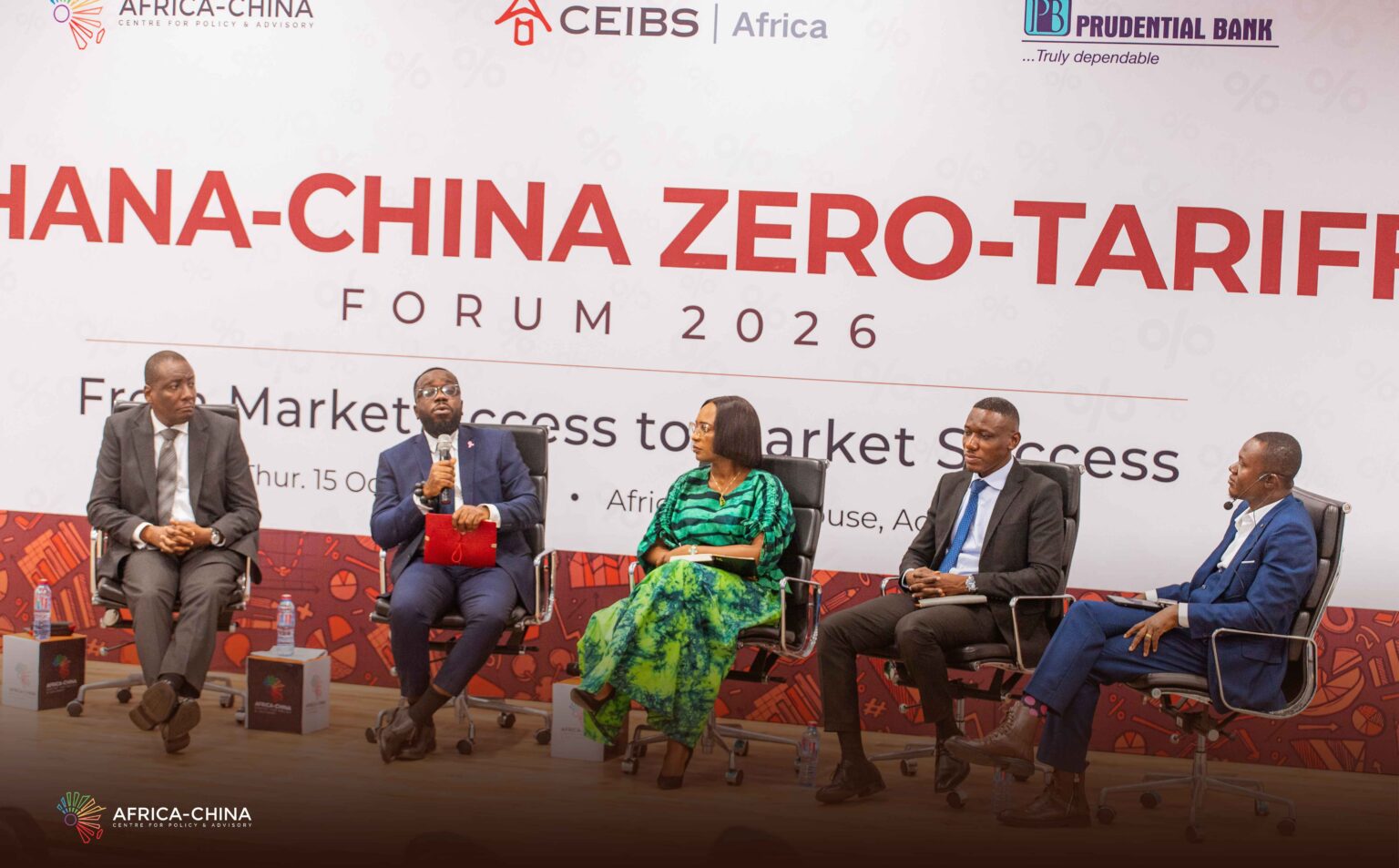
Ghana–China Forum Proposes Market Access Council to Boost Local Exports