
Why Gen. Moses Ali’s Story Matters to Africa’s Young Leaders
Gen. Moses Ali’s journey offers lessons in leadership, resilience, and public service for Africa’s future leaders.
Founder & Chief Editor · 1 August 2026 · 2 min read
By OSMARA DIGITAL MEDIA | Africa in Focus
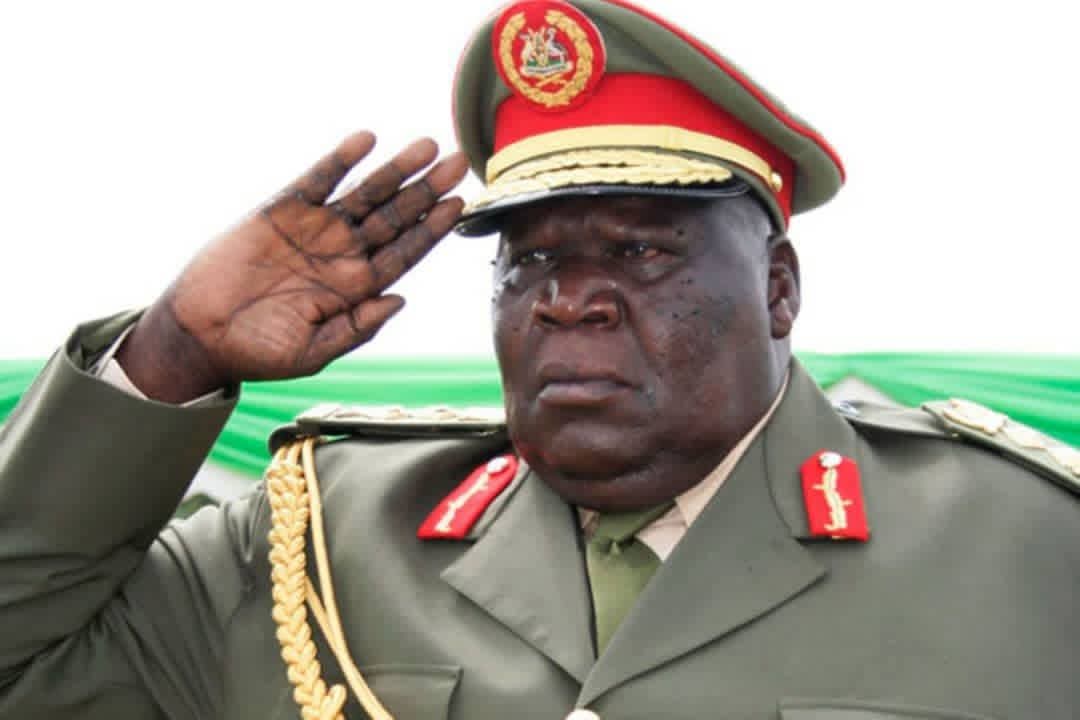
Africa is a continent of young people, with a generation seeking new ideas, stronger institutions, and leaders capable of addressing modern challenges. Yet, as the continent looks forward, the stories of experienced leaders remain important because they provide lessons from decades of political, social, and economic transformation. The story of the late Gen. Moses Ali is one such journey. His life represents a long chapter in Uganda’s history, moving from military service to national politics and public leadership. For Africa’s young leaders, his experience offers reflections on perseverance, adaptability, responsibility, and the importance of serving communities.
Born in West Nile, Gen. Moses Ali rose through Uganda’s military ranks before becoming one of the country’s most recognized political figures. His career spanned different periods of Uganda’s history, including times of conflict, political change, and national rebuilding.
One of the major lessons from his journey is the importance of resilience. African leaders often operate in challenging environments where political, social, and economic pressures require patience and determination. Gen. Moses Ali’s decades in public life demonstrate how leadership requires the ability to navigate changing circumstances while remaining focused on national responsibilities.
His story also highlights the connection between local communities and national leadership. Coming from West Nile, he became a symbol of regional representation at the highest levels of government. For young African leaders, this shows the importance of understanding community needs while contributing to wider national development.
Another lesson from his career is the value of experience and institutional knowledge. As Africa faces challenges such as unemployment, climate change, insecurity, and economic transformation, younger leaders can benefit from studying the experiences of those who came before them.
However, Gen. Moses Ali’s legacy also raises important questions about leadership transition and the role of youth in Africa’s future. With the majority of the continent’s population being young, there is increasing demand for new voices, innovation, and greater youth participation in decision-making.
The future of Africa will require a balance between the wisdom of experienced leaders and the energy of a new generation. Young leaders can learn from the successes and challenges of previous generations while creating new solutions for modern problems.
:::Read more on the Life Journey of Gen Moses Ali https://osmaradigitalmedia.com/politics/africa-s-elder-statesmen-is-gen-moses-ali-among-the-continent-s-most-enduring-le
Beyond politics, Gen. Moses Ali’s story is about commitment to public service and the impact one individual can have over decades. His journey reminds Africa’s young leaders that leadership is not only about holding positions of power but also about responsibility, integrity, and leaving behind a meaningful legacy.
As Africa continues to shape its future, the lives of elder statesmen like Gen. Moses Ali provide valuable lessons — not as a replacement for new leadership, but as a foundation upon which the next generation can build.
Founder & Chief Editor
Founder and Chief Editor of Osmara Digital Media. Journalist and historian telling Africa's stories through an African lens, from West Nile to the continent.
Related stories
Uganda’s Olara Otunnu Gains Momentum in UN Secretary-General Race
PLU Intensifies Grassroots Mobilization in Masindi, Promotes Patriotism and Anti-Corruption
Michael Arereng and Stephen Ouma Recall the Day They Witnessed Idi Amin’s Grenade Attack in Kibuli