Iran Is Persian, Not Arab: Understanding Identity Beyond Religion
Understanding Iran’s Persian heritage helps avoid misconceptions about identity and geopolitics.
Founder & Chief Editor · 27 July 2026 · 2 min read
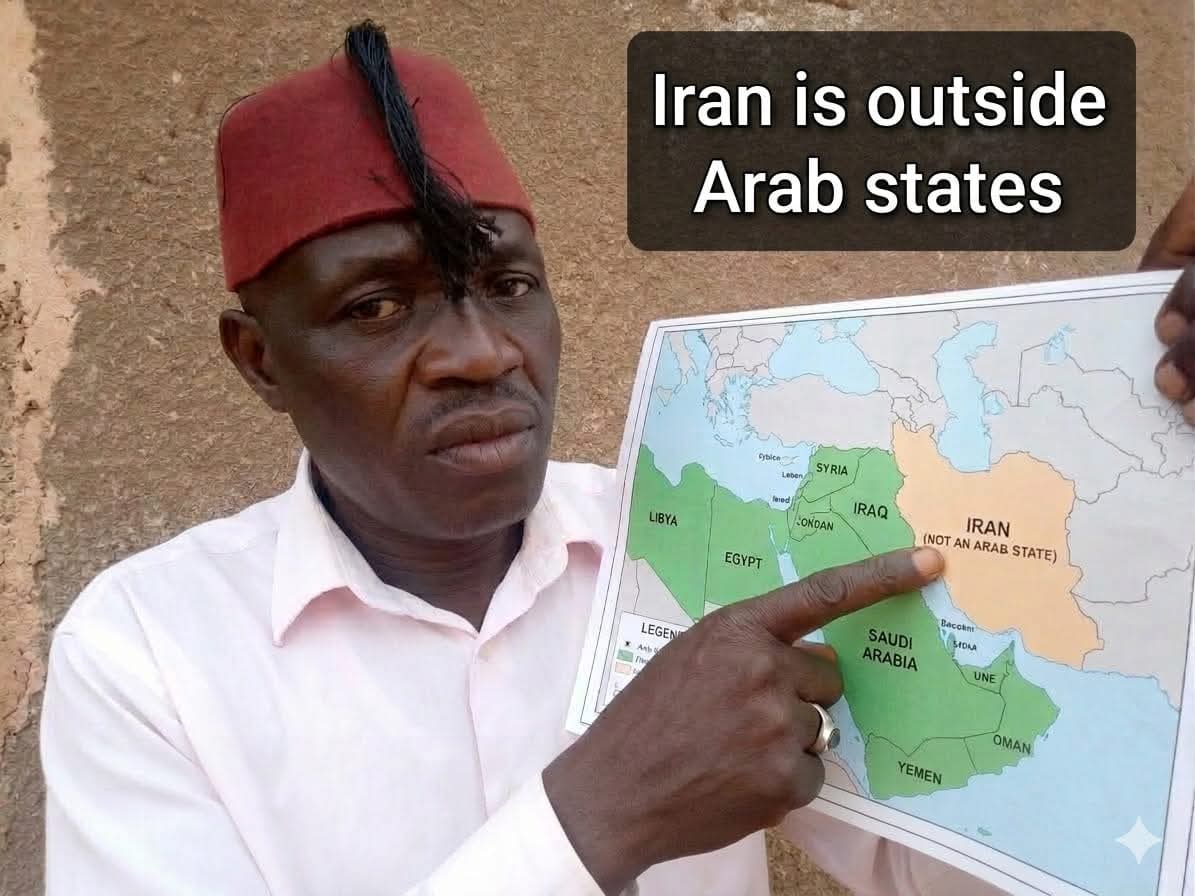
By OSMARA DIGITAL MEDIA – Africa in Focus As tensions continue to shape discussions about the Middle East, one common misunderstanding remains in global conversations: the description of Iran as an “Arab” nation. While this may appear to be a simple mistake, misidentifying Iran’s ethnic and cultural identity can create confusion about the region’s history, politics, and conflicts. Iran is not an Arab country. It is a Persian nation with thousands of years of history, a distinct culture, and its own language. The majority of Iranians are Persians, and their main language, Farsi, belongs to the Indo-European language family, sharing historical connections with languages such as English and German rather than Arabic. One common misconception is that because most Iranians are Muslims, they must be Arabs. However, religion and ethnicity are different. Islam is a faith followed by diverse communities around the world, including Indonesians, Pakistanis, Nigerians, Turks, Persians, and many others who have different cultural and ethnic backgrounds. For example, Indonesia has the world’s largest Muslim population but is not an Arab country. Pakistan is a South Asian nation with its own history and identity, while Nigeria’s Muslim communities remain part of West Africa’s diverse cultures. Geography is another source of confusion. Iran shares borders and regional ties with several Arab countries, but neighboring nations do not determine ethnic identity. Countries can share borders while maintaining completely different languages, histories, and cultures. Understanding Iran as a Persian nation is important when examining Middle East affairs. Iran is a major regional power with a Persian heritage and a political system influenced by religion, but it is not an Arab state. Accurate language matters, especially during times of conflict. Describing countries and peoples correctly helps create a clearer understanding of global events and avoids spreading misconceptions. For OSMARA DIGITAL MEDIA – Middle East in Focus, recognizing the diversity of identities across the world is essential to telling stories with accuracy, context, and respect.
Founder & Chief Editor
Founder and Chief Editor of Osmara Digital Media. Journalist and historian telling Africa's stories through an African lens, from West Nile to the continent.
Related stories
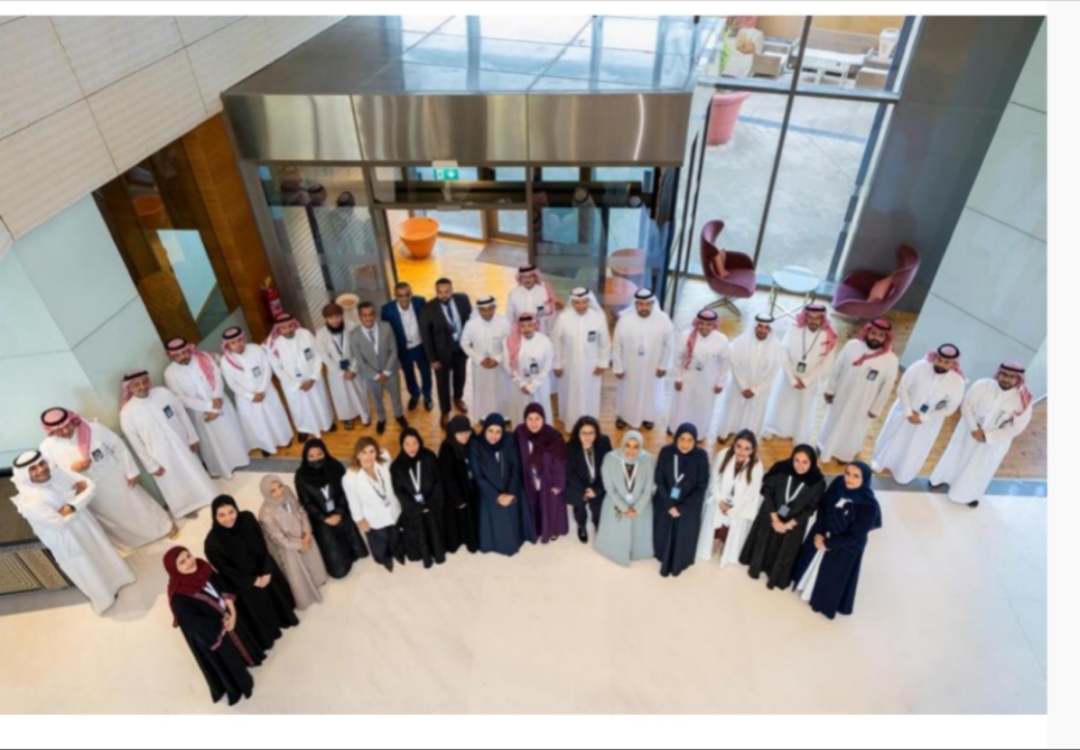
WHO and Gulf CDC Strengthen Partnership to Boost Health Security Across the Gulf
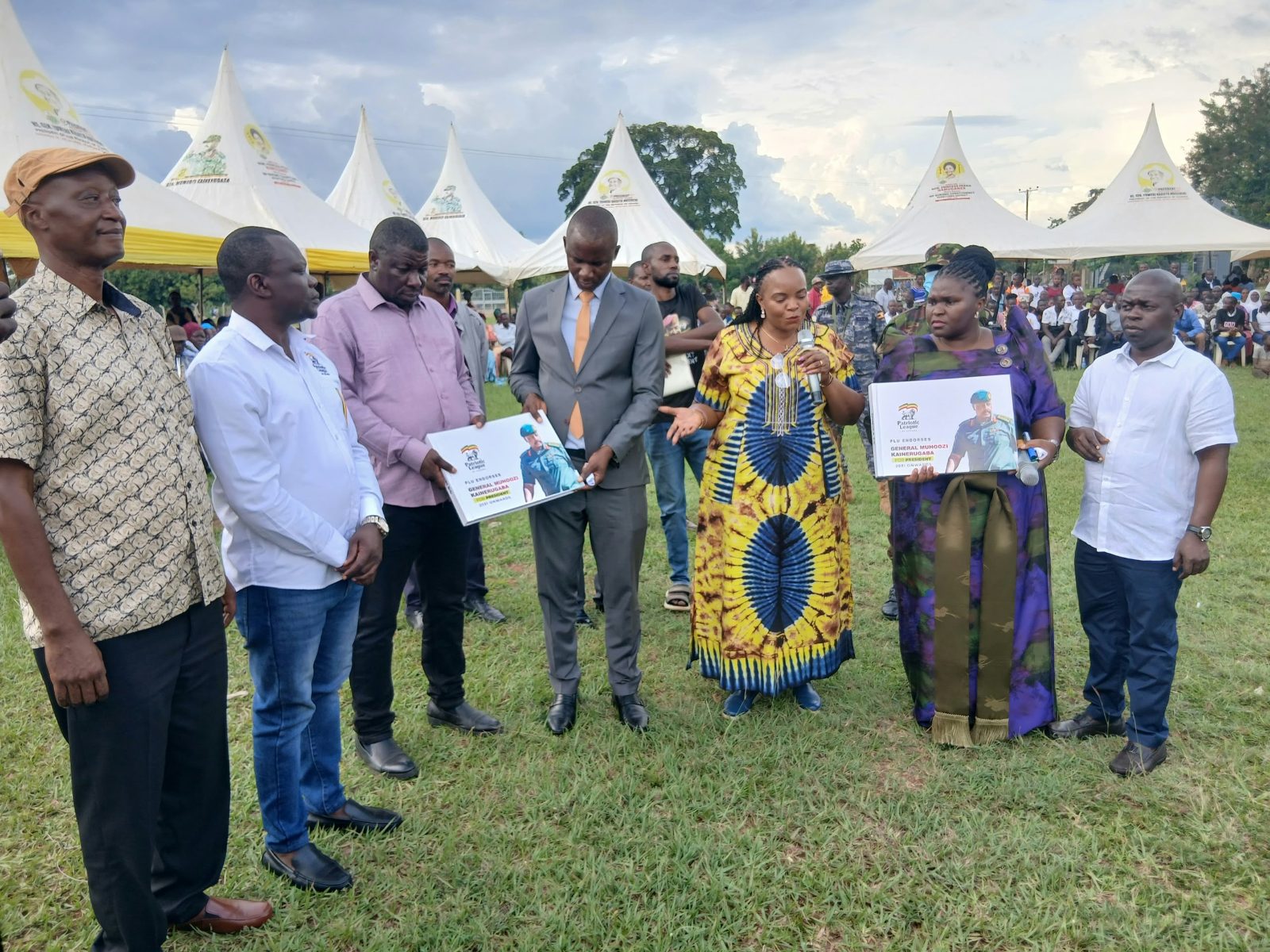
Minister Namuganza Declares Herself PLU Founder, Throws Weight Behind Muhoozi Presidency Bid
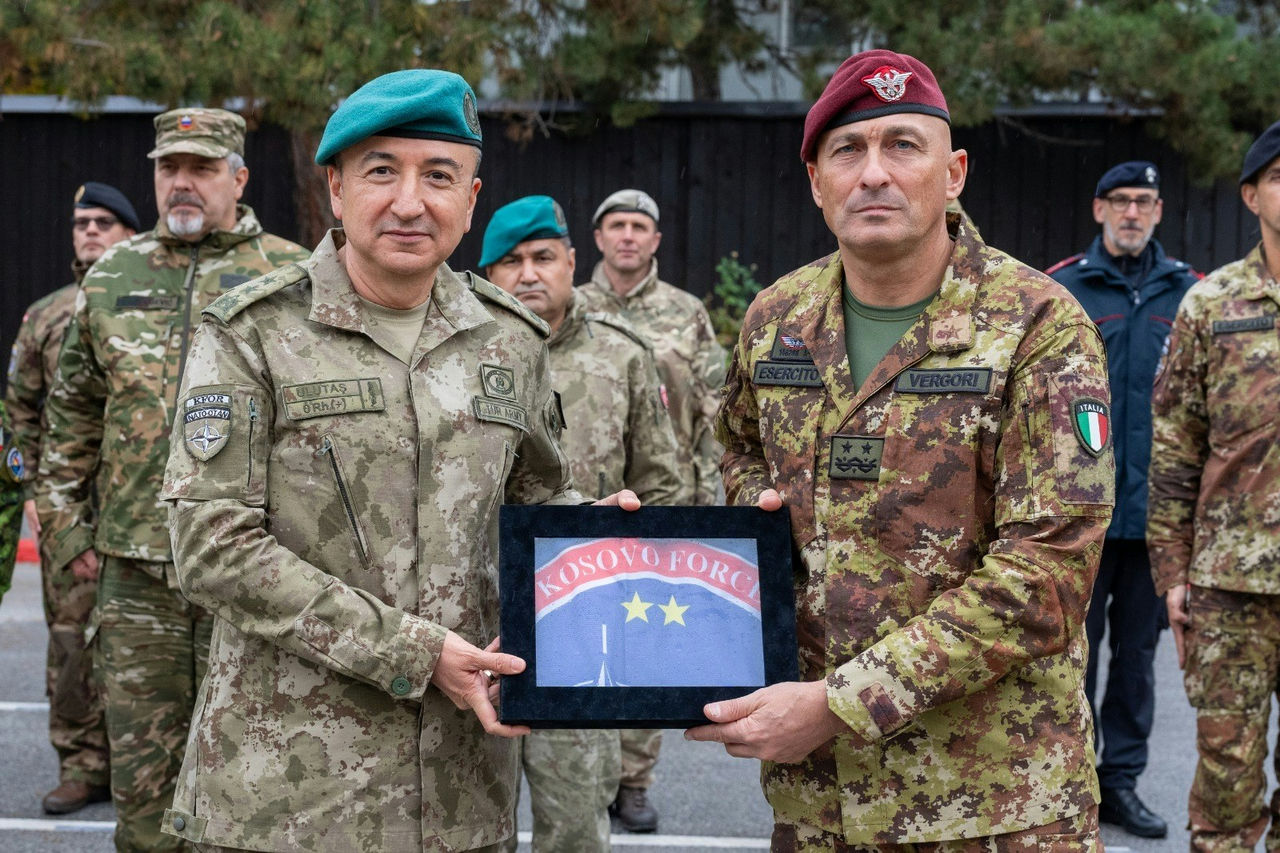
Italy’s Major General Roberto Vergori Takes Command of NATO-Led KFOR Mission