From Africa's Haven to the World Stage: Why Museveni's Backing of Olara Otunnu Is a Bold Call for African Leadership at the United Nations
President Yoweri Museveni's support for Ambassador Olara Otunnu's UN Secretary-General bid highlights Uganda's diplomatic ambitions, humanitarian leadership and Africa's growing call for greater influence in global affairs.
Founder & Chief Editor · 4 August 2026 · 4 min read
A Feature by Osmara Digital Media | Africa in Focus
"If you want to go far, go together.", Africa's most enduring proverbs because it speaks directly to the founding ideals of the United Nations. No nation can solve today's challenges alone. Peace, security, climate action, humanitarian response and sustainable development all require countries to work together.
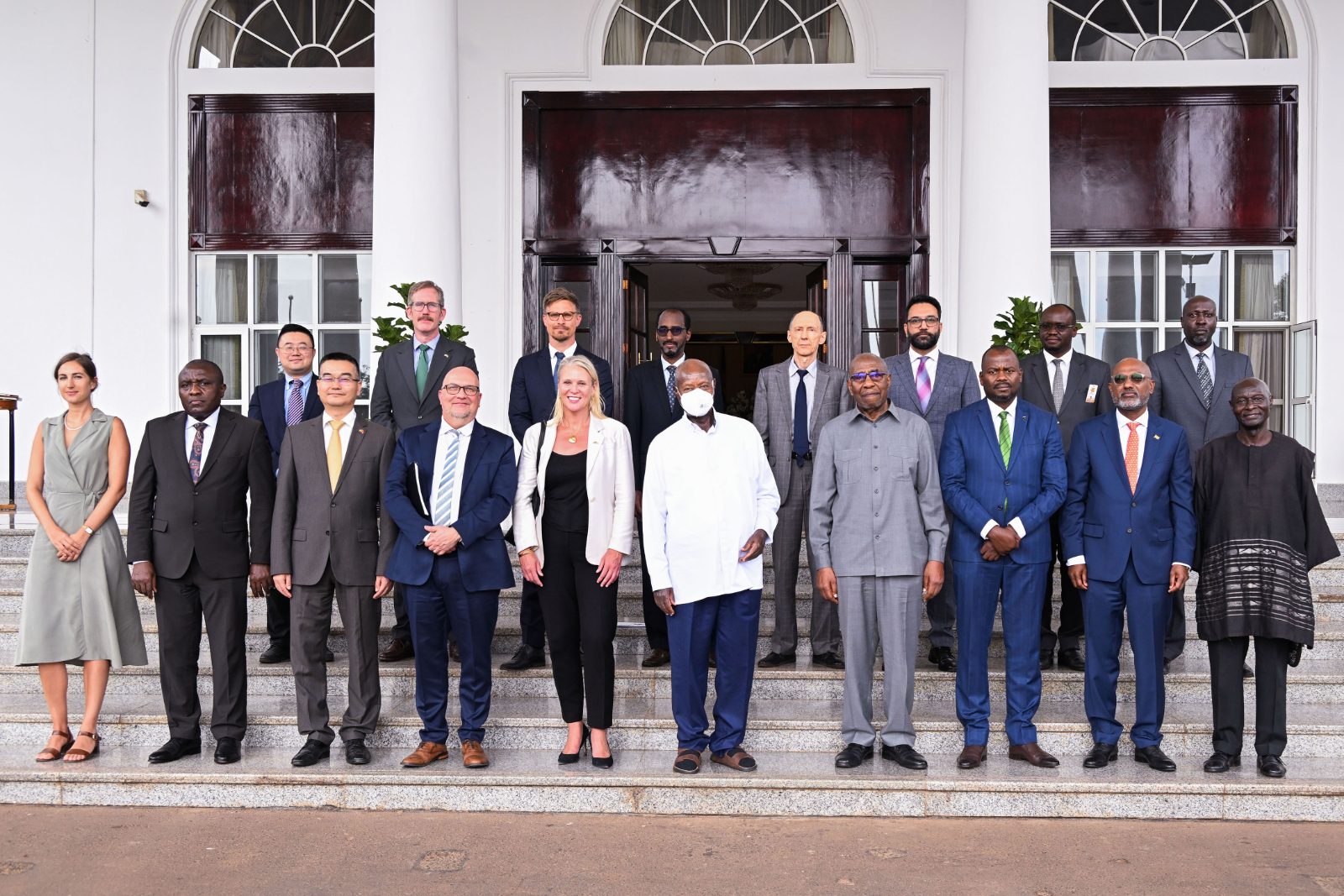
It is in this spirit that President Yoweri Kaguta Museveni's endorsement of Ambassador Olara Otunnu for the office of United Nations Secretary-General deserves attention—not merely as Uganda's diplomatic position, but as part of a broader conversation about Africa's role in shaping the future of global leadership.
For many Africans, Uganda has become more than a country on the map. It has become a place of refuge, opportunity and hope. People fleeing conflict, political instability and humanitarian crises have crossed Uganda's borders seeking safety and a chance to rebuild their lives.
Entrepreneurs from across East, Central, West and Southern Africa have established businesses in Uganda. Students have chosen Ugandan universities for higher education. Professionals, investors and families from other continents have also made Uganda their home.
This is a matter of perspective as much as policy, but many residents describe Uganda as a welcoming place where people from different nationalities, cultures and faiths can live side by side. That reputation for hospitality has become one of Uganda's greatest diplomatic strengths.
Uganda is also one of Africa's leading refugee-hosting countries, sheltering millions of people forced to flee conflict in neighbouring countries, particularly South Sudan, the Democratic Republic of the Congo, Sudan, Somalia, Ethiopia, and Eritrea.
Rather than confining refugees to isolated camps alone, Uganda has pursued an approach that seeks to provide access to land, education, healthcare and livelihoods, supported by partnerships with the United Nations and humanitarian agencies. This experience has placed Uganda at the centre of international discussions on refugee protection and responsibility-sharing.
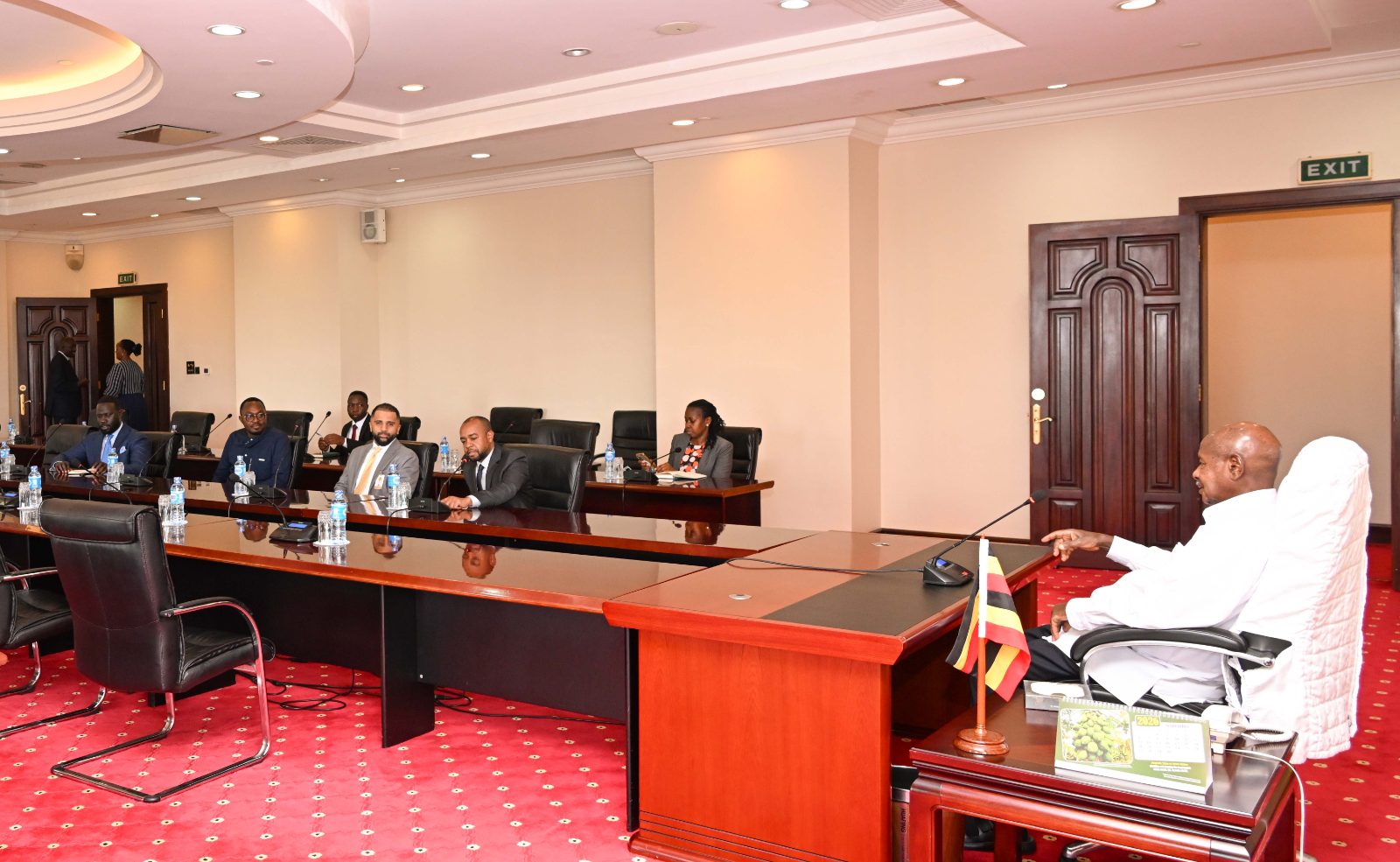
A country that opens its doors to those in need understands, perhaps better than many others, the value of peace, compassion and international cooperation. We can look at these humanitarian records which strengthens Uganda’s moral voice in global affairs and underscores why Uganda's views on international leadership deserve attention. Against this backdrop, President Museveni's endorsement of Ambassador Olara Otunnu carries considerable diplomatic significance. It reflects confidence in one of Uganda's most distinguished international public servants and signals the country's determination to contribute not only ideas but also leadership to the United Nations.
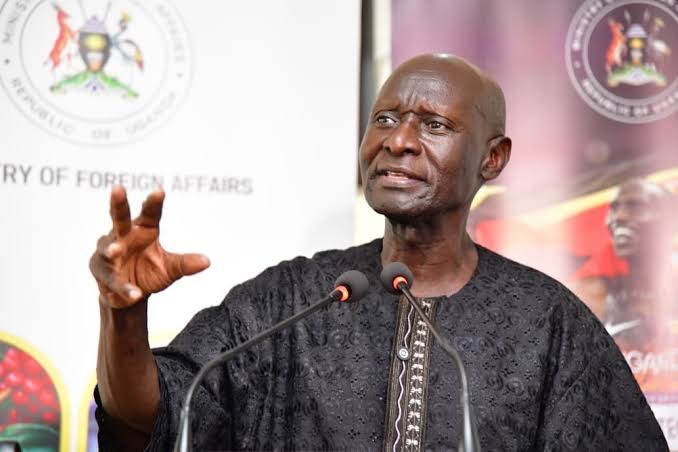
Ambassador Olara Otunnu's career has been shaped by decades of distinguished service in international diplomacy. As Uganda's Permanent Representative to the United Nations, he represented the country's interests at the highest diplomatic level. During Uganda's tenure on the UN Security Council, he served as President of the Council, guiding discussions on international peace and security during a critical period.
His contribution to the United Nations expanded further when he was appointed Under-Secretary-General and Special Representative of the Secretary-General for Children and Armed Conflict. In that capacity, he travelled extensively to conflict-affected regions, working with governments, humanitarian organizations and international partners to protect children from violence, recruitment into armed groups and other grave violations. His work helped elevate the rights and protection of children affected by war as a priority on the international agenda.
Throughout his career, Otunnu has demonstrated a commitment to dialogue, diplomacy and peaceful conflict resolution. His understanding of multilateral institutions, international law and humanitarian affairs has earned him respect among diplomats and global leaders. These are qualities that supporters believe are essential for leading the United Nations during a time of growing global uncertainty. President Museveni's backing therefore extends beyond national pride. It is a statement that Uganda believes Africa possesses leaders capable of guiding the international community through some of the most pressing challenges of the twenty-first century. It also reflects a broader aspiration for African voices to play a stronger role within global institutions.
Africa today is home to the world's youngest population, abundant natural resources and 54 sovereign states represented at the United Nations. The continent contributes significantly to global peacekeeping, economic growth, climate action and international development. As Africa's influence continues to expand, many observers believe its representation in global leadership should grow accordingly.
Uganda's campaign in support of Ambassador Olara Otunnu is therefore about more than one distinguished diplomat. It is about demonstrating that African experience, African diplomacy and African leadership have an important place in shaping the future of the United Nations.
Whether the campaign ultimately succeeds will be determined through the United Nations' established selection process and the collective decisions of member states. Regardless of the outcome, Museveni's endorsement has already elevated Uganda's diplomatic profile and sparked an important discussion about Africa's contribution to the international leadership.
If the United Nations is founded on the principle that nations are stronger when they work together, then Uganda's message is both simple and timely: Africa is ready not only to participate in global decision-making, but also to help lead it.
Founder & Chief Editor
Founder and Chief Editor of Osmara Digital Media. Journalist and historian telling Africa's stories through an African lens, from West Nile to the continent.