Can Peace Return to Eastern DR Congo?
The Long Road to Stability in Africa's Most Troubled Region
Founder & Chief Editor · 23 July 2026 · 4 min read
By OSMARA Digital Media | Africa in Focus For more than three decades, eastern Democratic Republic of Congo (DRC) has remained one of Africa's most volatile regions. Armed conflict, mass displacement, competition over natural resources, and humanitarian crises have defined the lives of millions of people. Yet amid the violence, many Congolese continue to hold onto one enduring hope—that peace will one day return. The question confronting Africa today is not whether eastern DR Congo deserves peace, but whether lasting peace can finally become a reality. A Conflict That Has Lasted for Generations Eastern DR Congo has experienced repeated cycles of conflict involving numerous armed groups, local militias, and foreign interests. Communities in North Kivu, South Kivu, and Ituri provinces have endured insecurity, forcing families to flee their homes and disrupting farming, education, healthcare, and trade. Entire generations have grown up knowing conflict more than stability. While military operations have weakened some armed groups over the years, new ones have continued to emerge, making peace difficult to sustain. The Human Cost Behind every statistic is a family struggling to survive. Millions of people have been displaced from their homes, while many communities lack adequate access to food, clean water, healthcare, and education. Farmers have abandoned fertile land because of insecurity, leaving fields uncultivated and increasing food shortages. Children have seen their education interrupted, while many young people have grown up with limited economic opportunities. For ordinary Congolese, peace is not simply the absence of gunfire—it means being able to farm, trade, attend school, and raise families without fear. A Region Rich in Resources Ironically, eastern DR Congo is one of the world's richest regions in natural resources. It holds significant deposits of cobalt, coltan, gold, tin, and other minerals that are essential for modern technologies such as electric vehicles, mobile phones, and renewable energy systems. The region also possesses fertile agricultural land, abundant forests, rivers, and enormous tourism potential. Many observers believe that if peace can be achieved, eastern DR Congo could become one of Africa's strongest engines of economic growth. Why Peace Has Been Difficult Security experts argue that lasting peace requires more than military operations. Weak governance, competition over natural resources, poverty, unemployment, illegal mining, cross-border tensions, and limited state services have all contributed to instability. Addressing these underlying issues will require stronger institutions, accountable leadership, justice, and greater investment in development. The Role of Regional Cooperation Peace in eastern DR Congo cannot be achieved by one country alone. Neighbouring states, regional organisations, and the international community all have important roles to play in supporting dialogue, respecting sovereignty, improving border security, and promoting economic cooperation. Greater regional trade, infrastructure development, and joint security efforts could help reduce tensions while creating opportunities for shared prosperity. Development as a Path to Peace Many development experts argue that peace becomes more sustainable when communities have opportunities to improve their livelihoods. Investment in agriculture, roads, schools, hospitals, electricity, and youth employment could reduce poverty and give communities greater confidence in the future. Supporting women entrepreneurs, young innovators, and local businesses would also help strengthen social stability. The Power of Dialogue History has shown that lasting peace is rarely achieved through military action alone. Dialogue, reconciliation, justice, and inclusive political processes remain essential. Religious leaders, traditional authorities, civil society organisations, women, and young people all have important roles in rebuilding trust between divided communities. Peace requires listening as much as negotiating. Hope Beyond Conflict Despite years of violence, eastern DR Congo continues to demonstrate remarkable resilience. Farmers continue planting crops whenever security allows. Traders reopen markets after attacks. Teachers return to classrooms, and health workers continue serving communities under difficult conditions. These acts of resilience reflect a population determined to build a better future. Looking Ahead Peace in eastern DR Congo will not come overnight. It will require sustained political commitment, stronger institutions, economic opportunity, respect for human rights, and cooperation among all stakeholders. The region's immense natural wealth should become a foundation for prosperity rather than conflict. If governments, regional leaders, local communities, and international partners work together to address both security and development challenges, eastern DR Congo has the potential to transform from a symbol of conflict into a model of resilience and recovery. The road to peace remains long, but it is a journey worth pursuing—for the people of the Democratic Republic of Congo, for the Great Lakes Region, and for Africa as a whole. — OSMARA Digital Media | Africa in Focus
Founder & Chief Editor
Founder and Chief Editor of Osmara Digital Media. Journalist and historian telling Africa's stories through an African lens, from West Nile to the continent.
Related stories
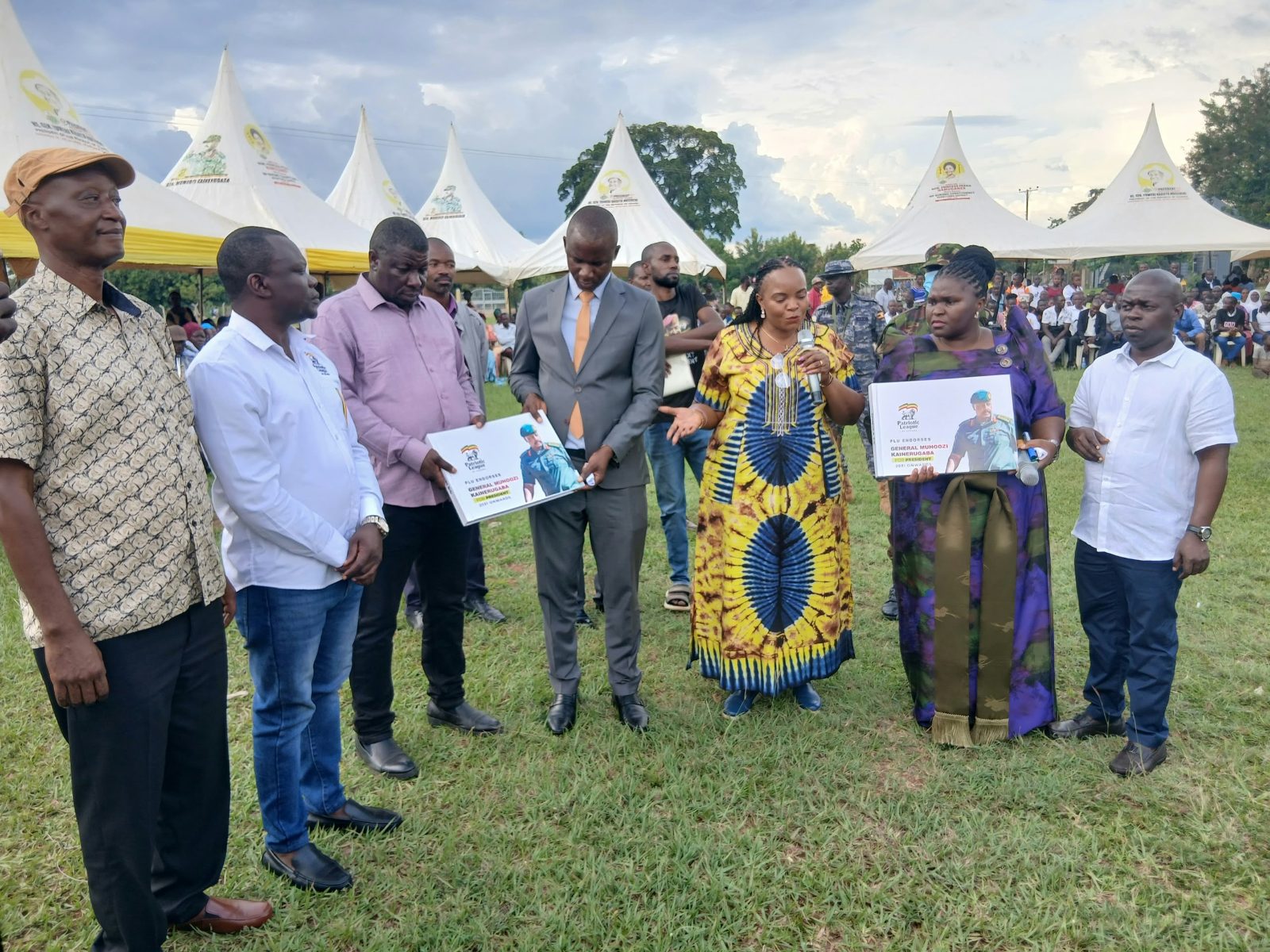
Minister Namuganza Declares Herself PLU Founder, Throws Weight Behind Muhoozi Presidency Bid
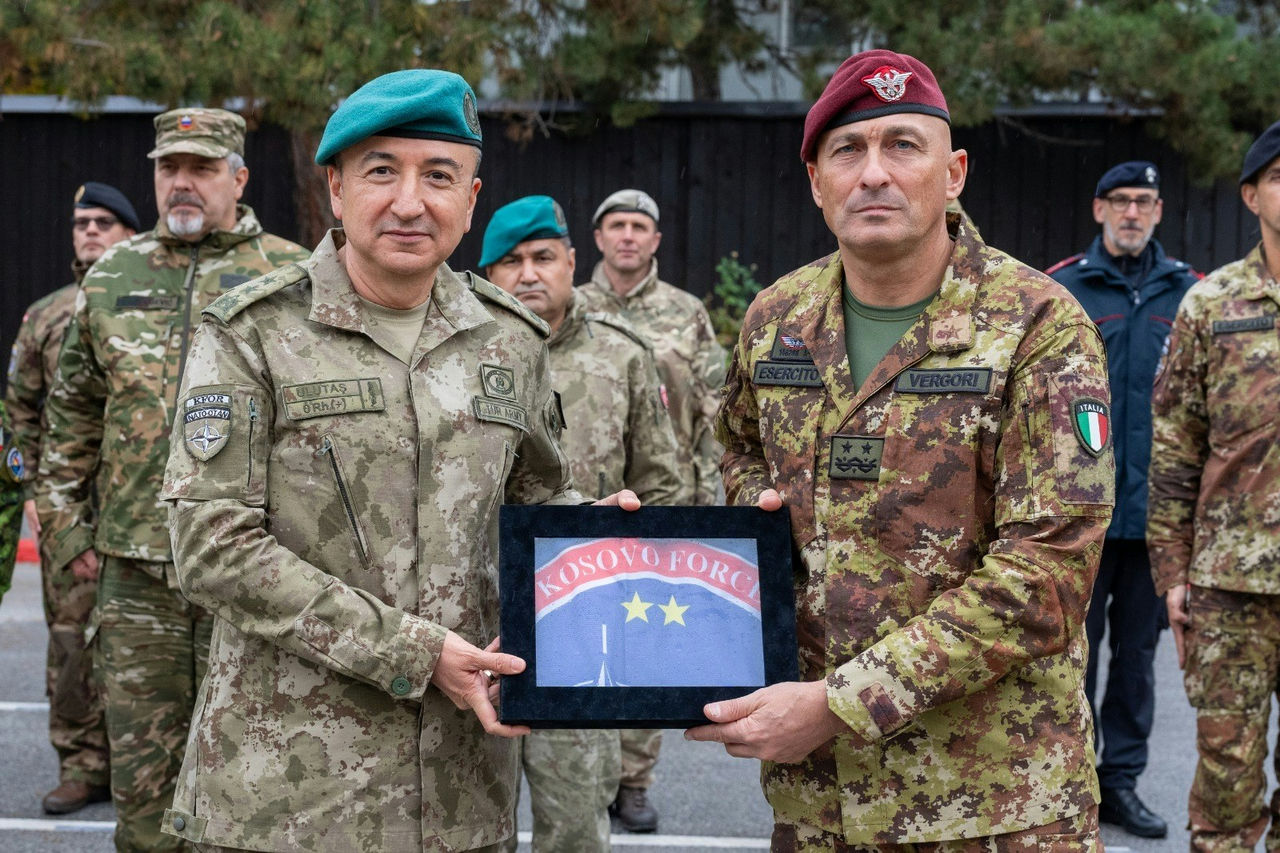
Italy’s Major General Roberto Vergori Takes Command of NATO-Led KFOR Mission

Dr. Gad Rugaju Calls for Reflection and Renewed Discipline as 2026 Nears Its Close