The Journey to School: Kanungu’s Children and the Risks Beyond the Classroom
Kanungu Deputy RDC Dr. Ahimbisibwe Gad Rugaju has renewed calls for parents, teachers and transport operators to put children’s education, safety and welfare first as schools begin the third term.
Founder & Chief Editor · 15 September 2026 · 10 min read
By Barasa Richard KANUNGU, Uganda | September 15, 2026
For a young child, the journey to school should be a simple beginning to a day of learning, starting with a safe walk or ride from home, accompanied by a responsible adult, before arriving at the school gate ready to meet teachers and classmates and begin the day’s lessons. However, in Kanungu District, that journey has become a subject of growing concern, particularly over the safety of young children travelling to school and the responsibilities of parents, teachers and transport operators.
As schools reopened for the third term on Monday, September 14, attention turned not only to whether children had reported to school, but also to how they travelled, who accompanied them and what risks they faced along the way. The concern had been brought into sharp focus by Kanungu Deputy Resident District Commissioner Dr. Ahimbisibwe Gad Rugaju, who used a solemn public gathering to deliver a strong message about the responsibilities of parents, teachers, school administrators and boda boda riders in protecting children.
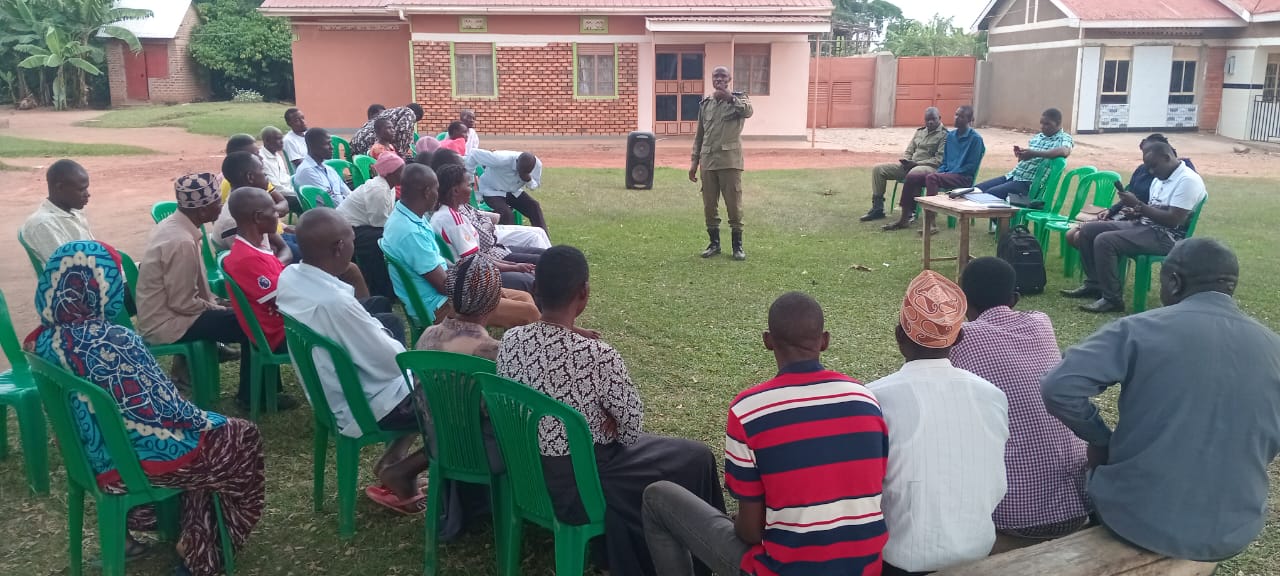
Dr. Rugaju delivered the message on September 12 during the burial of the late Rev. Canon Malaro at Rukarara, Nyakatunguru Ward, Kihihi Town Council, Kanungu District. While the gathering was primarily intended to mourn and celebrate the life of the deceased, the Deputy RDC also used the occasion to address a matter affecting families across the district—the welfare and safety of children returning to school.
His message was essentially a reminder that education does not begin when a child enters the classroom. It begins at home and continues along the road to school, where parents and other adults have an important responsibility to ensure that children are protected before they reach their teachers.
The morning rush
In many parts of Kanungu, the early morning school journey is a familiar scene, with children emerging from their homes carrying school bags while some walk alongside parents or older siblings and others wait for motorcycles to transport them to school. For many families, the boda boda has become an essential means of transport because motorcycles are readily available and can reach rural communities and roads where larger vehicles may not easily operate.
However, the convenience provided by motorcycles can sometimes come with serious safety risks, particularly when young children are transported without proper protective measures. Dr. Rugaju expressed particular concern about nursery and lower-primary children being carried on motorcycles in ways that expose them to accidents, cold weather and other dangers.
He described situations in which three or four small children may be placed on one boda boda, with some children reportedly being made to sit on the motorcycle’s fuel tank in front of the rider. In some cases, the children are also transported without helmets, jackets or other protective clothing, leaving them vulnerable during the early morning journeys to school.
For an adult, travelling on a motorcycle may appear to be a routine part of daily life, but for a small child, the same journey can expose them to significant risks because young children may not have the physical strength, balance or understanding required to respond appropriately when a motorcycle suddenly brakes, swerves or becomes involved in an accident.
“These are very young children whose lungs are still developing,” Dr. Rugaju warned, urging parents to take greater responsibility for their children’s safety. His concern was therefore not simply about getting children to school, but about ensuring that they arrive alive, healthy and ready to learn.
“Boda boda is not a school van”
The Deputy RDC’s description of the motorcycle as not being a school van captured the central concern behind his warning. Although boda bodas remain an important means of transportation for many Ugandan families, they are not designed to carry several young children in the manner of a school bus, particularly when passengers are seated improperly or travel without appropriate protective equipment.
Dr. Rugaju therefore called upon Traffic Police and district road-safety authorities to strengthen enforcement against dangerous transportation practices involving schoolchildren. He stressed that responsibility for child safety should not rest entirely on the rider because parents also have a duty to ensure that the means of transport they choose does not expose their children to unnecessary danger.
“No child should be transported without a jacket, helmet and proper seating,” he emphasized, stressing the importance of ensuring that young passengers are appropriately protected before they begin their journey.
His warning is particularly relevant to nursery children, who are often too young to understand road dangers, assess the safety of a motorcycle or demand better protection for themselves. The responsibility therefore rests heavily on the adults who make transportation decisions on their behalf.
When the school journey starts at home
Transportation, however, is only one part of the challenge facing children as they return to school. Before a child even reaches the roadside to look for transport, another important decision may already have been made at home: whether the child will report to school on time or remain at home to perform domestic and agricultural duties.
Dr. Rugaju urged parents and guardians to ensure that children reported promptly for the third term, which began on September 14. He noted that learners had enjoyed their scheduled three-week holiday in accordance with the official Ministry of Education and Sports calendar, meaning that parents were expected to support the education system by ensuring that their children resumed classes without unnecessary delays.
The Deputy RDC particularly criticized the practice of keeping children at home to participate in domestic chores and agricultural work after schools have officially reopened. In farming communities, children may be required to weed gardens, carry water, look after younger siblings or perform other household responsibilities, but Dr. Rugaju argued that such duties should not interfere with their education.
“This habit of delaying children at home disorganizes them academically,” he warned, calling upon parents to understand that every day of missed instruction can affect a learner’s progress, especially during a short and demanding academic term.
The candidates cannot afford lost time
The issue of timely reporting becomes even more significant for candidates because learners in Primary Seven, Senior Four and Senior Six are entering a particularly important period of their academic journey. With Uganda National Examinations Board examinations approaching, the third term provides limited time for completing the curriculum, revision and final preparation.
For these learners, repeated absence from school can have consequences that extend beyond a few missed lessons. A learner who misses several days may miss important topics, fall behind classmates and have less time to seek clarification from teachers or prepare adequately for examinations.
Dr. Rugaju therefore emphasized that the third term is short but critical and called upon parents to ensure that children report on time and remain committed to their studies throughout the term. For candidate classes, the road to examination success may depend not only on what happens inside the classroom, but also on whether learners consistently have access to the teaching, guidance and revision opportunities provided by their schools.
A message to teachers too
The Deputy RDC did not place the entire responsibility for school attendance and learner discipline on parents. He also challenged teachers and headteachers to demonstrate the same commitment they expect from families by ensuring that they report to their respective schools on time and remain available to teach and supervise learners.
Dr. Rugaju raised concern about teachers and school administrators who report late at the beginning of term, particularly in situations where some individuals may have competing interests in private schools. He stressed that government schools should not be disadvantaged because staff members give priority to other institutions or personal commitments.
If parents are expected to send their children to school on time, he argued, teachers must equally be available when learners arrive so that instructional activities can begin as scheduled. He consequently directed Inspectors of Schools in Kanungu to monitor attendance from the morning of reopening and report staff members who fail to report without justification for appropriate administrative action.
The message was therefore clear: school attendance is a two-way responsibility, because children cannot benefit from education when they remain at home unnecessarily, just as teachers cannot provide meaningful instruction when they are absent from the classrooms where they are expected to work.
The child who leaves home alone
Dr. Rugaju also urged parents to accompany younger children, particularly those below the age of 12, when taking them to school. The advice reflects the reality that children become more exposed to different forms of risk once they leave the protection of their homes, especially when they travel long distances or use transport operated by people whose identities and backgrounds may not be known to their parents.
Parents were therefore encouraged to know the people transporting their children and, where a boda boda is being used, establish the identity and registration details of the rider. Such information can become particularly important in the event of an accident, disappearance or other incident involving a child.
Parents were also advised to communicate relevant health information to school administrators so that teachers and school authorities can respond appropriately when a learner has a particular health need. They were further encouraged to check their children’s luggage and ensure that they do not carry alcohol, drugs or other dangerous items to school.
For the girl child, the Deputy RDC stressed the need for particular vigilance, raising concern about children who may leave home claiming to be going to school but instead divert to bars, lodges or private residences. Such behaviour can expose young people to substance abuse, sexual exploitation and other forms of danger, particularly where children come into contact with adults who may take advantage of their vulnerability.
The warning therefore extends beyond the school gate because parents need to know their children's movements and maintain communication with them rather than simply assuming that leaving home automatically means reaching school.
More than an education issue
What is emerging in Kanungu is therefore bigger than a debate about school attendance. At its heart, it is also a question of child protection, parental responsibility and community safety.
A child sitting on the fuel tank of a moving motorcycle is exposed to unnecessary danger, just as a child travelling without a helmet or other protective equipment faces increased vulnerability in the event of an accident. Similarly, a child who remains at home for several days after school has reopened loses valuable learning time, while a young learner travelling without adequate supervision may face risks that adults do not immediately see.
For candidate classes, repeated absence can eventually translate into inadequate preparation when examinations arrive. These risks may appear different from one another, but they ultimately converge around one vulnerable person—the child—and the adults who have a responsibility to protect that child.
A shared responsibility
The burial of Rev. Canon Malaro brought together hundreds of Christians, clergy, national leaders and local leaders from across the country in a gathering marked by grief, faith and remembrance. Yet Dr. Rugaju used the occasion to raise an issue that touches almost every family represented at such a gathering: the education, safety and future of children.
His message was ultimately a call for collective responsibility. Parents must send children to school on time and ensure that their journeys are safe, while boda boda riders must exercise greater care when carrying young passengers. Traffic authorities must enforce road-safety regulations, teachers must report for duty and school administrators must ensure that schools provide a safe environment in which children can learn and develop.
The reopening date of September 14 has now passed, but the concerns raised before the reopening remain relevant throughout the third term and beyond. The challenge of protecting children does not end when the school calendar records an official reporting date; it continues every morning when children leave their homes and every afternoon when they return.
For every child who walks through a school gate each morning, there is a story that begins much earlier. It begins at home, continues on the road and only then reaches the classroom.
The real question is therefore not simply whether children have returned to school, but whether the adults around them have done enough to ensure that they arrive safely, remain protected and have the opportunity to learn.
Founder & Chief Editor
Founder and Chief Editor of Osmara Digital Media. Journalist and historian telling Africa's stories through an African lens, from West Nile to the continent.
Related stories
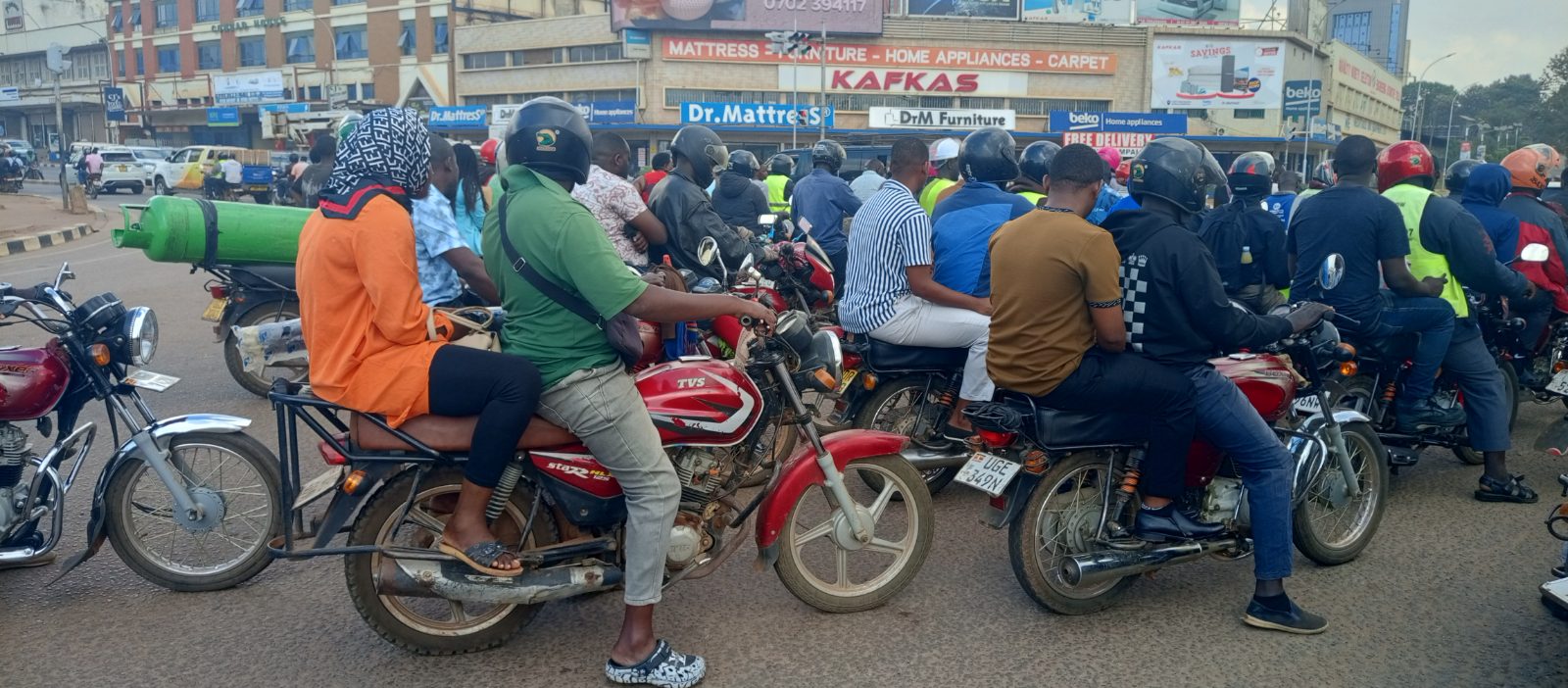
Kampala on Two Wheels: The Boda Boda Riders Keeping the City Moving
Police Warn Relatives Against Evicting Widows and Orphans from Land in Iganga