NATO Unveils AI Drone Technology to Transform Disaster Response
NATO showcases AI-powered drones and smart mine detection to strengthen disaster response and humanitarian safety.

Founder & Chief Editor · 31 July 2026 · 2 min read
By Osmara Digital Media
NATO has highlighted the future of humanitarian technology by showcasing advanced artificial intelligence (AI) systems designed to support disaster response, search and rescue operations, and safer mine clearance. The demonstration event was organised under the NATO Science for Peace and Security (SPS) Programme, featuring two innovative projects — the SAPIENCE project and MinesEye — which demonstrate how emerging technologies can address complex global challenges.
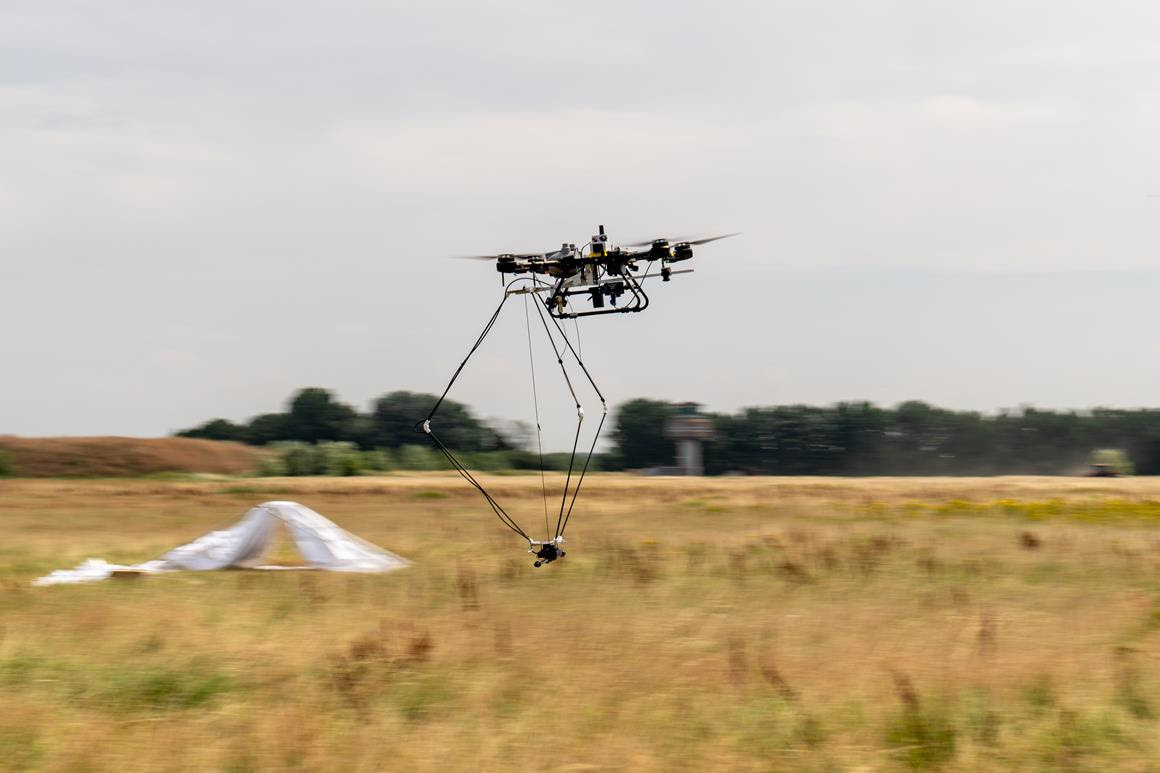
The SAPIENCE project focuses on improving autonomous systems by using artificial intelligence to enhance the perception and guidance abilities of Uncrewed Aircraft Systems (UAS), commonly known as drones.
During the event, university teams from Austria, the Netherlands, the United Kingdom and the United States competed in a final challenge aimed at solving technical problems identified by NATO’s Joint Capability Group on Unmanned Aircraft Systems (JCGUAS).
The teams tested drone capabilities in disaster-response scenarios, demonstrating how multiple autonomous systems can work together to navigate areas where satellite navigation signals are unavailable, map dangerous environments, identify victims, deliver emergency supplies, and perform coordinated rescue missions without direct human control.
The technology represents a major step toward faster and safer emergency response, especially in areas affected by natural disasters or difficult operating conditions. The event also featured MinesEye, another SPS-funded project that combines advanced sensors and artificial intelligence to improve the detection of mines and unexploded ordnance in Ukraine.
The project aims to support humanitarian demining efforts by helping specialists identify dangerous explosive remnants more efficiently, reducing risks for communities and clearance teams. The NATO SPS Programme continues to promote cooperation between scientists, universities and technology experts from different countries, supporting research that contributes to peace, security and humanitarian protection.
The latest demonstrations show the growing role of artificial intelligence in creating practical solutions that can protect lives, improve emergency operations and support recovery efforts in affected communities.
Source: NATO Science for Peace and Security (SPS) Programme – Project demonstration event on SAPIENCE and MinesEye.
Founder & Chief Editor
Founder and Chief Editor of Osmara Digital Media. Journalist and historian telling Africa's stories through an African lens, from West Nile to the continent.
Related stories

The Journey to School: Kanungu’s Children and the Risks Beyond the Classroom

Kampala on Two Wheels: The Boda Boda Riders Keeping the City Moving
RDC Secretariat, Anti-Corruption Unit Warn Iganga Leaders: ‘No More Sleep, No More Corruption’