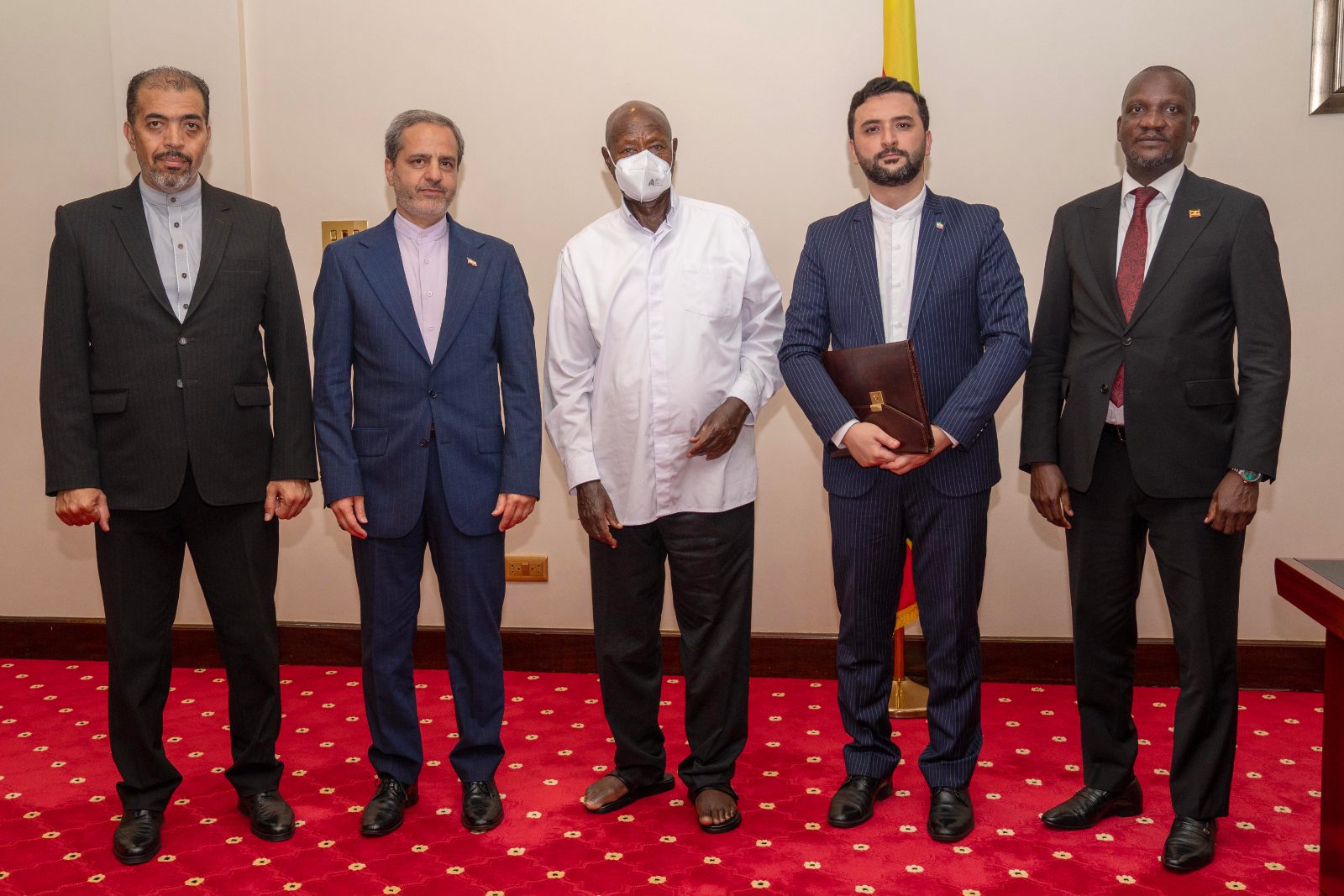
Museveni tasks cultural leaders with preserving heritage and promoting wealth creation
President Yoweri Museveni has urged Uganda’s traditional and cultural leaders to safeguard indigenous knowledge, promote African heritage and mobilise communities towards wealth creation and national development.
Founder & Chief Editor · 4 November 2026 · 4 min read
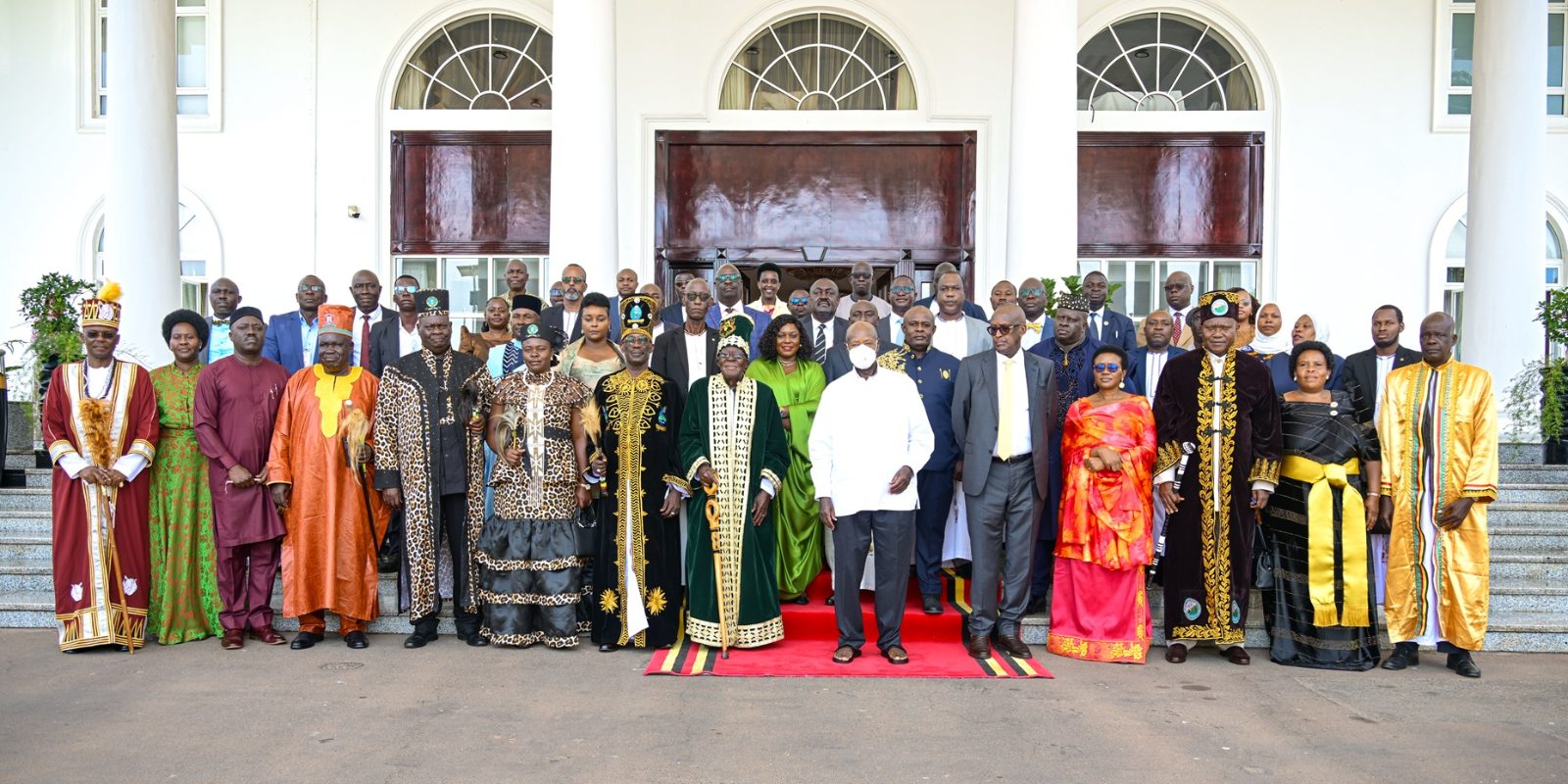
ENTEBBE, November 4, 2026 — President Yoweri Kaguta Museveni has challenged Uganda’s traditional and cultural leaders to take a more active role in preserving the country’s cultural heritage, promoting indigenous knowledge and mobilising communities to participate in wealth creation as part of efforts to accelerate national development.
The President made the call on Wednesday while addressing traditional and cultural leaders during the opening day of a two-day Cultural Leaders Conference at State House, Entebbe.
The conference brought together representatives of Uganda’s traditional institutions to discuss how cultural leadership can contribute to national unity, heritage preservation, economic transformation and social development.
President Museveni emphasised that Africa’s cultural heritage, historical connections and indigenous knowledge should serve as foundations for continental cooperation, economic integration and shared prosperity.
He said traditional African societies had developed strong economic foundations through agriculture, livestock keeping, fishing, traditional medicine, blacksmithing, carpentry, leather tanning, pottery and other specialised occupations.
The President encouraged cultural leaders to protect and promote these traditional skills, noting that indigenous knowledge remains an important resource for economic development and the transfer of practical skills to younger generations.
He also called for the preservation of indigenous languages, cultural practices and traditional food systems, warning against attitudes inherited from colonialism that encourage Africans to look down upon their own heritage.
On national unity and regional cooperation, President Museveni said Africa's shared history and cultural connections should be used to overcome divisions and strengthen cooperation among countries.
He identified patriotism and Pan-Africanism as important principles for addressing tribal chauvinism and promoting integration, arguing that economic prosperity requires communities to look beyond narrow ethnic interests.
"You need Uganda and Africa for your prosperity," the President said, urging cultural leaders to promote unity and recognise the economic opportunities available through national and continental integration.
He further explained that political independence must be accompanied by economic independence, supported by productive economies, expanded markets and stronger regional trade.
President Museveni highlighted the importance of regional economic frameworks, including the East African Community (EAC), the Common Market for Eastern and Southern Africa (COMESA) and the African Continental Free Trade Area (AfCFTA), in creating opportunities for producers and businesses.
He also underscored the need for cultural institutions to operate within their respective responsibilities, urging traditional leaders to concentrate on cultural preservation, community guidance and social cohesion while leaving legislation, public administration and other constitutional responsibilities to elected government institutions.
Cultural leaders propose development partnerships During the conference, representatives of cultural institutions called for stronger partnerships with the government to harness Uganda’s cultural diversity as a resource for economic and social transformation.
The leaders proposed joint programmes covering wealth creation, agricultural development, community industrialisation, cultural tourism, women's economic empowerment and vocational skills development.
Under their proposed wealth creation initiative, cultural institutions offered to provide land for model agricultural farms that would serve as centres for practical training, agricultural innovation, technology transfer and commercial production.
They asked the government to support the initiative with improved seeds, livestock, irrigation facilities, agricultural machinery, extension services and technical expertise.
The cultural leaders also proposed establishing small- and medium-scale production facilities within communities to promote agro-processing, food manufacturing, textiles, crafts and leather processing.
On heritage preservation and tourism, they proposed developing a Digital Cultural Park to showcase Uganda’s traditional kingdoms, historical sites, cultural artefacts, indigenous knowledge, music, dance, food and other cultural practices.
They further called for partnerships to develop cultural tourism destinations around royal and historical sites, palaces and traditional burial grounds.
The institutions also announced plans to organise a Uganda National Cultural Festival in collaboration with the Ministry of Gender, Labour and Social Development.
The proposed festival is expected to bring together cultural institutions, artists, communities, young people, tourism stakeholders and private-sector players to celebrate Uganda’s cultural diversity, promote national unity and stimulate cultural tourism.
Additional proposals focused on strengthening women's economic empowerment through enterprise development, cooperatives, vocational training and improved access to financial services.
The leaders also highlighted challenges affecting cultural institutions, including inadequate staffing, limited infrastructure and low public awareness, and called for government support to strengthen the Forum of Cultural Institutions.
Meanwhile, the Minister of Gender, Labour and Social Development, Gen. Henry Tumukunde, urged cultural leaders to work closely with the government in addressing social challenges, including gender-based violence, harmful cultural practices, child marriage, teenage pregnancy, unemployment, poverty and discrimination against persons with disabilities.
He also highlighted the economic potential of Uganda’s creative and cultural industries, commonly referred to as the Orange Economy, which encompasses music, film, fashion, performing arts, crafts, cultural tourism, publishing and digital creativity.
The two-day conference continues on Thursday, November 5, with further discussions expected to explore practical areas of cooperation between government and cultural institutions in advancing heritage preservation, national unity and economic transformation.
Founder & Chief Editor
Founder and Chief Editor of Osmara Digital Media. Journalist and historian telling Africa's stories through an African lens, from West Nile to the continent.
Related stories
PRESIDENT MUSEVENI COMMISSIONS 280 UPDF OFFICER CADETS, CALLS FOR ECONOMIC PROTECTION AND STRONGER SECURITY
MUSEVENI URGES EUROPEAN INVESTORS TO EXPAND PARTNERSHIPS IN UGANDA’S KEY ECONOMIC SECTORS
PRESIDENT MUSEVENI WOOS EGYPTIAN INVESTORS