Africa 2050: The Continent That Could Become the World’s Next Economic Giant
With the world’s youngest population, vast natural resources, growing technology sector and expanding markets, Africa is positioning itself as a major force in the global economy by 2050.

Founder & Chief Editor · 6 August 2026 · 3 min read
By Osmara Digital Media | Africa in Focus
For centuries, Africa has been described through the lens of challenges — poverty, conflict and underdevelopment. But a new narrative is emerging: a continent of opportunity, innovation and economic transformation.
By 2050, Africa could become one of the most influential economic regions in the world, driven by its young population, natural wealth and expanding consumer markets. The question is no longer whether Africa has potential, but whether the continent can convert its enormous resources into sustainable prosperity.
The World’s Youngest Workforce
Africa’s greatest asset may not only be beneath its soil but also within its people. The continent has the youngest population in the world, with millions of young Africans entering the workforce every year. This demographic advantage could create one of the largest consumer and labour markets globally. Unlike ageing economies in Europe and parts of Asia, Africa’s youthful population provides an opportunity for innovation, entrepreneurship and industrial growth. However, creating enough jobs remains critical. The future success of Africa 2050 will depend on whether young people can access quality education, digital skills and opportunities.
The Rise of African Innovation
Across the continent, technology is changing how people live and do business. From mobile banking in East Africa to artificial intelligence, digital services and e-commerce platforms, African innovators are solving local problems with global solutions. Young entrepreneurs are building companies in finance, agriculture, health technology and logistics, attracting international investment and proving that innovation is not limited to Silicon Valley.
The next global technology giants could emerge from African cities such as Nairobi, Lagos, Kigali, Cairo, Johannesburg and Kampala.
Agriculture: Africa’s Untapped Economic Powerhouse
Africa holds some of the world’s largest areas of uncultivated arable land, yet it remains a major importer of food. The transformation of agriculture could become one of the biggest economic opportunities for the continent. Modern farming, value addition, agro-processing and export industries could turn African farmers from producers of raw materials into owners of global agricultural businesses. From cocoa in West Africa to coffee in East Africa and horticulture across the continent, Africa has the potential to feed itself and supply international markets.
Natural Resources and the Green Economy
Africa possesses enormous deposits of minerals needed for the future economy, including resources essential for renewable energy technologies. As the world shifts toward electric vehicles and clean energy, African countries could play a central role in supplying critical materials. But experts warn that the continent must move beyond exporting raw minerals and invest in local processing and manufacturing to capture more economic value.
The African Continental Free Trade Opportunity
The creation of a single African market through the African Continental Free Trade Area (AfCFTA) represents one of the continent’s biggest economic opportunities. By reducing trade barriers and increasing movement of goods and services, African countries can build stronger regional industries and compete more effectively globally.
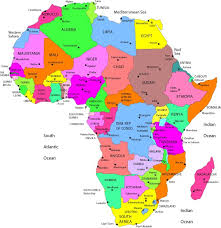
A connected Africa could transform its 54 nations into one of the world’s largest economic markets. Challenges on the Road to 2050 Africa’s rise is not guaranteed. Infrastructure gaps, political instability, corruption, limited industrial capacity and unemployment remain major obstacles.
The continent must invest in roads, energy, education, healthcare and digital connectivity while strengthening institutions that support business growth. Economic transformation will require leadership, partnerships and a commitment to inclusive development.
A New African Century?
Africa 2050 could look very different from Africa today. A continent once viewed mainly as a recipient of aid could become a centre of investment, innovation and global influence. The future will be shaped by African entrepreneurs, farmers, scientists, young leaders and communities that are building solutions from within. The world is beginning to recognise what Africa has always possessed — people, resources and potential. The next economic giant may not rise from one country, but from an entire continent united by opportunity.
Founder & Chief Editor
Founder and Chief Editor of Osmara Digital Media. Journalist and historian telling Africa's stories through an African lens, from West Nile to the continent.
Related stories
Africa Urged to Build Gender-Responsive Tax Systems to Boost Inclusive Growth
Uganda-Nigeria Business Forum to Boost Market Access and AfCFTA Trade
Kyabazinga Urges Busoga Youth to Embrace Education, Skills and Agriculture