Oil Rich, Yet Vulnerable: Why Angola Must Reduce Its Dependence on Oil Exports
Building a More Diversified Economy for Sustainable Growth
Founder & Chief Editor · 24 July 2026 · 3 min read
By OSMARA Digital Media | Africa in Focus
For decades, oil has been the lifeblood of Angola's economy. As one of Africa's largest crude oil producers, the country has relied heavily on petroleum exports to finance government spending, attract foreign investment, and generate foreign exchange.
Yet this dependence has also exposed Angola to the ups and downs of the global oil market. When oil prices rise, government revenues increase and economic growth accelerates. But when prices fall, the country faces reduced export earnings, budget pressures, and slower economic activity.
The challenge for Angola is no longer how much oil it can produce, but how it can use its oil wealth to build a more resilient and diversified economy.
The Backbone of the Economy
Oil accounts for the majority of Angola's export earnings and remains a major source of government revenue.
The petroleum sector has financed roads, schools, hospitals, and other infrastructure while supporting thousands of jobs directly and indirectly.
However, the concentration of economic activity in one sector has made the country vulnerable to global events beyond its control.
The Risks of Overdependence
Heavy reliance on oil creates several challenges.
Fluctuating international prices can quickly reduce national income, affecting public services and development programmes. An economy centred on one commodity may also leave other sectors, such as agriculture and manufacturing, underdeveloped.
Many economists warn that long-term prosperity requires multiple sources of growth rather than dependence on a single export.
Agriculture Offers New Opportunities
Angola has vast areas of fertile land, abundant water resources, and favourable climatic conditions.
Before the civil war, agriculture was a key pillar of the economy. Today, crops such as maize, cassava, coffee, beans, bananas, and fruits have the potential to reduce food imports, improve food security, and create employment.
Revitalising agriculture could transform rural communities while strengthening the national economy.
Building Local Industries
Manufacturing represents another opportunity for diversification.
Instead of exporting only raw materials, Angola can expand industries that process agricultural products, produce construction materials, manufacture consumer goods, and add value to its natural resources.
Industrialisation would create jobs, increase exports, and reduce dependence on imported products.
Tourism and the Digital Economy
Angola also possesses untapped tourism potential, with its Atlantic coastline, wildlife, national parks, and cultural heritage offering opportunities for growth.
At the same time, expanding digital infrastructure and supporting technology entrepreneurs could create new industries that are less dependent on natural resources.
Investing in People
Economic diversification requires investment in education, technical training, healthcare, and innovation.
A skilled workforce will be essential for developing competitive industries and attracting investment beyond the oil sector.
Young people, in particular, will play a crucial role in shaping Angola's economic future.
A Future Beyond Oil
Oil will remain an important part of Angola's economy for years to come. However, lasting prosperity will depend on how effectively the country invests today's resource wealth in tomorrow's opportunities.
By strengthening agriculture, manufacturing, tourism, renewable energy, and technology, Angola can build a more balanced economy capable of creating jobs, reducing poverty, and withstanding global economic shocks.
The true measure of Angola's success will not be the number of barrels it exports, but the opportunities it creates for future generations.
For Angola, the journey beyond oil is not about abandoning its greatest resource—it is about ensuring that its natural wealth becomes a foundation for sustainable and inclusive development.
OSMARA Digital Media | Africa in Focus
Founder & Chief Editor
Founder and Chief Editor of Osmara Digital Media. Journalist and historian telling Africa's stories through an African lens, from West Nile to the continent.
Related stories
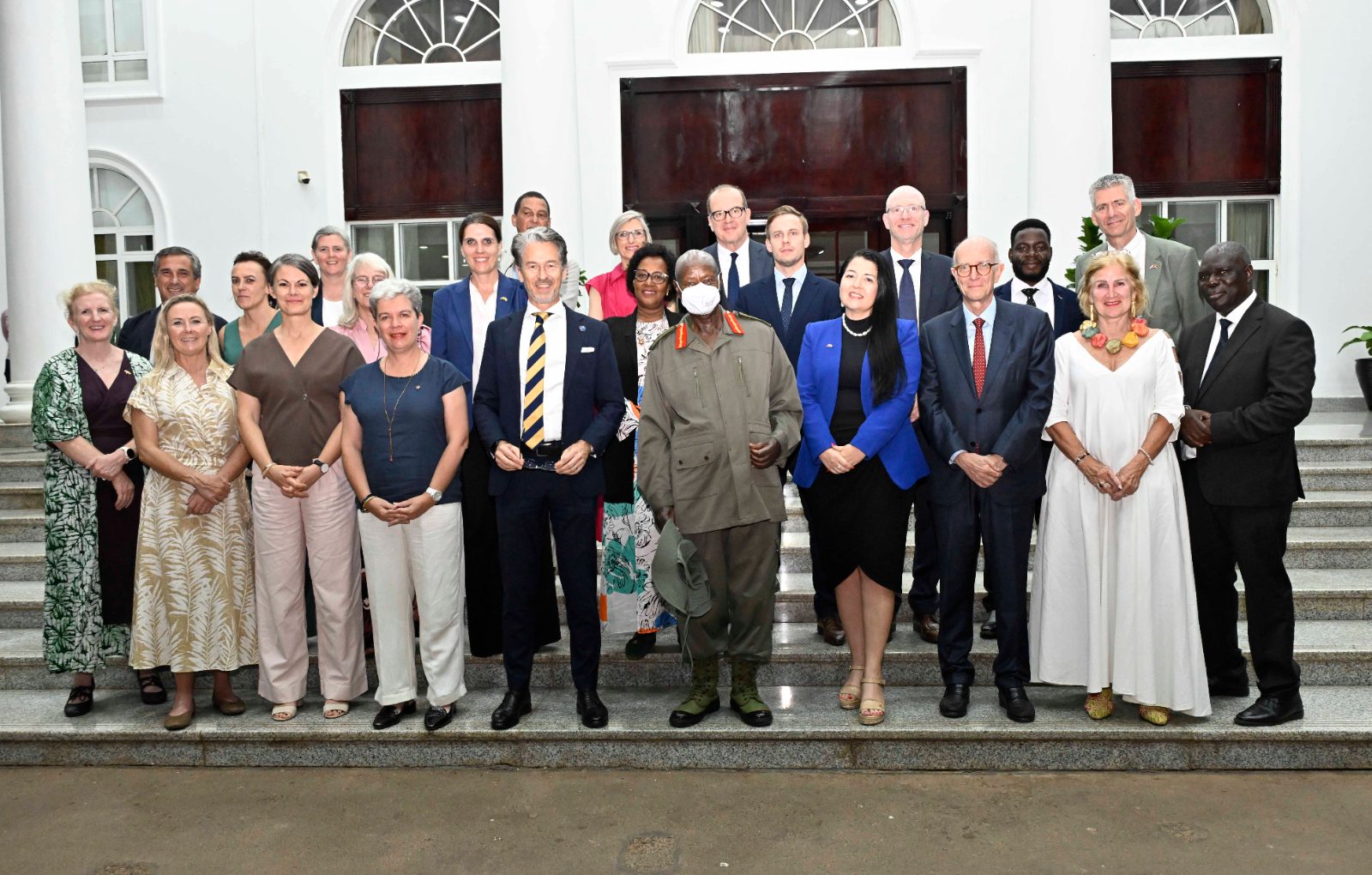
MUSEVENI URGES EUROPEAN INVESTORS TO EXPAND PARTNERSHIPS IN UGANDA’S KEY ECONOMIC SECTORS
African Development Bank Approves €40 Million Facility to Boost Cameroon’s Trade and Local Production
AFRICAN UNION ADVANCES DE-RISKING AGENDA TO BOOST INVESTMENT ACROSS AFRICA