Africa Critical Minerals: Abidjan Forum Backs Local Processing
Ministers meeting in Abidjan agree Africa must process its critical minerals at home, not export them raw, to power industrialisation and jobs.
Founder & Chief Editor · 16 July 2026 · 2 min read
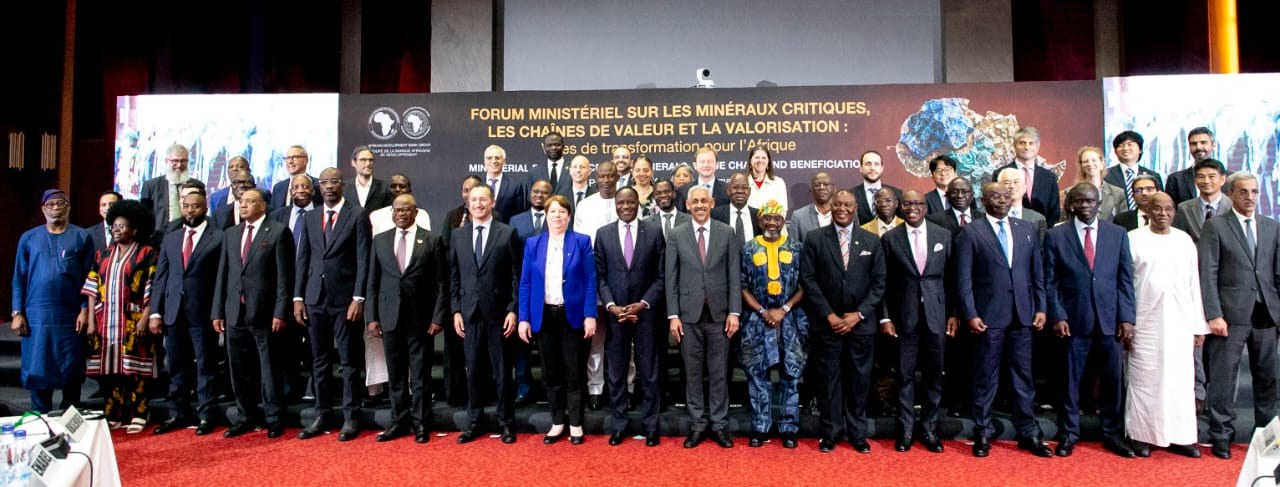
ABIDJAN, Côte d'Ivoire - African leaders and development partners have agreed that the continent must stop exporting raw critical minerals and instead harness them to drive industrialisation, create jobs and accelerate economic transformation.
Meeting at the Ministerial Forum on Critical Minerals, Value Chains and Beneficiation in Abidjan, ministers called for greater investment in local mineral processing, regional value chains and manufacturing industries. The goal, they said, is to ensure Africa captures far more of the value generated by its vast mineral wealth.
The urgency is clear in the numbers. Although Africa holds about 30% of the world's critical mineral reserves, including cobalt, lithium, graphite, copper, manganese, nickel and rare earth elements, the continent currently earns only a small share of their economic value because most minerals leave its shores unprocessed.
What ministers want to change
Participants urged African countries to strengthen regional cooperation through the African Continental Free Trade Area (AfCFTA), improve infrastructure, enhance governance, attract investment and build local skills to support competitive mineral industries.
That agenda reflects the forum's central theme of beneficiation: adding value to minerals within Africa through refining, processing and manufacturing, rather than shipping out raw ore and buying back finished products at a premium.
Regional value chains were singled out as a priority, with ministers arguing that no single country can build competitive mineral industries alone. Coordinated markets, shared infrastructure and harmonised policies, they said, would give African producers the scale to compete globally.
An opportunity likened to the independence era
African Development Bank (AfDB) President Dr Sidi Ould Tah told the gathering that the continent must forge a new partnership, one that allows Africans to benefit fully from their own natural resources.
Hanan Morsy, Deputy Executive Secretary of the United Nations Economic Commission for Africa (UNECA), went further, describing the critical minerals opportunity as comparable to Africa's independence era, provided countries adopt a coordinated strategy rather than negotiating in isolation.
Financing the shift from raw exports
The forum concluded that Africa's critical minerals should become a catalyst for sustainable industrial development, technology transfer and millions of new jobs across the continent.
The African Development Bank is expected to play a central role in delivering that vision, financing infrastructure and mobilising investment for the regional value chains that ministers say will define the next chapter of Africa's mineral economy.
Founder & Chief Editor
Founder and Chief Editor of Osmara Digital Media. Journalist and historian telling Africa's stories through an African lens, from West Nile to the continent.
Related stories

UN Child Rights Committee to Review Uganda Over Child Rights Record in Geneva
Somalia Launches First Unified National Registry of Health Facilities
Uganda’s Olara Otunnu Gains Momentum in UN Secretary-General Race